
Stage & Tradition
Trusova's 2019 gala and the related skating clips offer different screen encounters. Follow position, travel, and framing before treating an online view as the whole…
3 min read

Classic Rock
The published GRAMMY dress rehearsal brings a critique of fame into a highly visible collaboration, giving the song's imagery a revealing public setting.
3 min read
Country & Songwriting
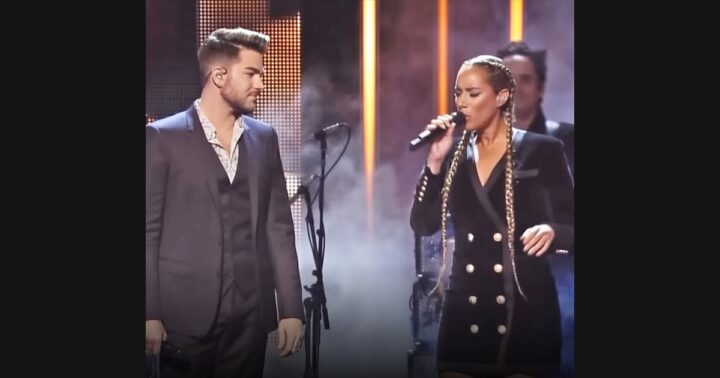
A duet does not automatically create two fictional characters. Lambert and Lewis's Girl Crush offers a way to distinguish shared vocal delivery from the song's…
3 min read

Stage & Tradition
A restrained presentation gives a hand-clap talent-show routine a comic frame: repeated rules become familiar, so small departures can carry the surprise.
3 min read
Voices & Covers
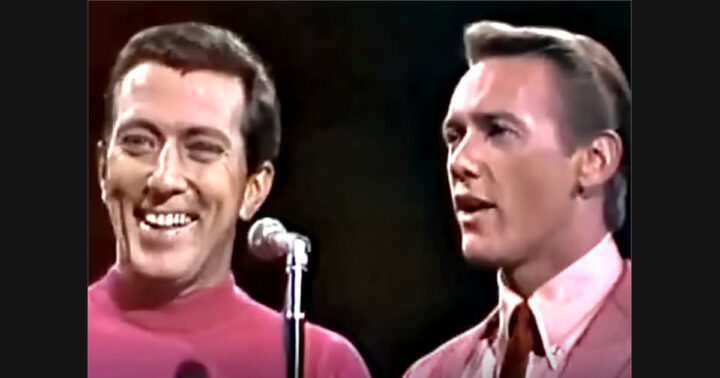
A Righteous Brothers credit does not mean every passage contains two lead voices. Separate Bobby Hatfield’s featured singing from the song’s authorship and recording history.
3 min read

Voices & Covers
A familiar Prince ballad opens a practical question about orchestral accompaniment: when does a supporting part add expression, and when does leaving space do more?
3 min read
Voices & Covers
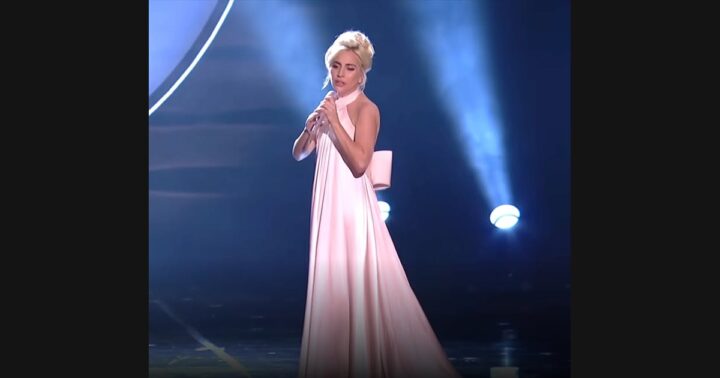
Gaga's Royal Variety performance offers a chance to separate what the voice communicates from what the screen emphasizes. Compare that attention with her Oscars and…
3 min read
Classic Rock
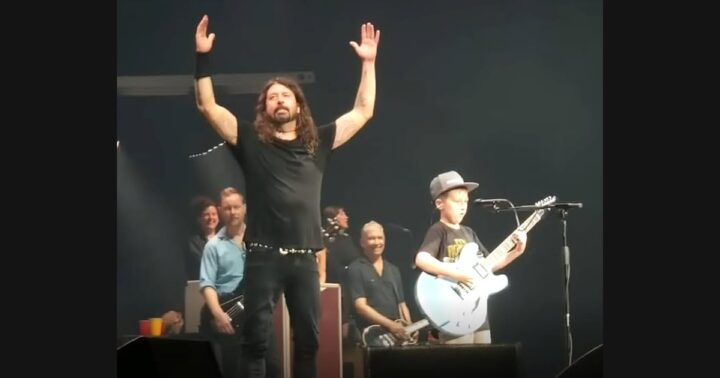
A Foo Fighters guest-guitar clip, Metallica's video, and CityRocks hold Enter Sandman steady while changing who participates. Follow what makes shared repertoire usable at different…
3 min read
Voices & Covers
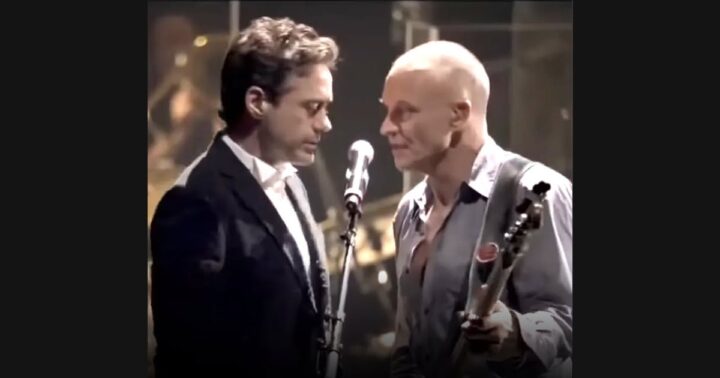
Downey's own account of singing Driven to Tears shifts attention from a surprising guest appearance to the preparation and support that make collaboration possible.
3 min read

Classic Rock
The famous Rock Hall collaboration carries more than one date. Separate the 2004 occasion from a later release before comparing Harrison tribute recordings.
3 min read

Voices & Covers
A Bublé–Groban stage exchange makes vocal identity part of the entertainment. Their separate performances help distinguish a comic impression from an artist's sustained interpretation.
3 min read
Country & Songwriting
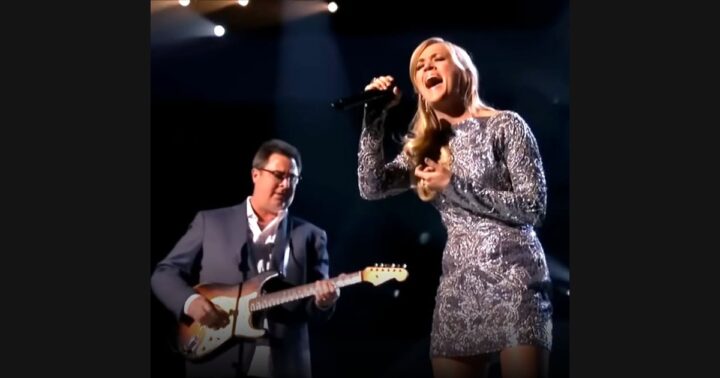
How Great Thou Art provides a way to follow lead singing and instrumental response, without treating an accompanist as merely the person behind the vocalist.
3 min read