
Voices & Covers
The Hawkstone Farmers Choir: From Familiar Covers to This Is Home
The choir's official Britain's Got Talent recordings trace a clear repertoire journey: two familiar covers lead to an original song in the 2026 final.
Choirs, vocal partnerships and fresh interpretations of familiar songs.
The choir's official Britain's Got Talent recordings trace a clear repertoire journey: two familiar covers lead to an original song in the 2026 final.
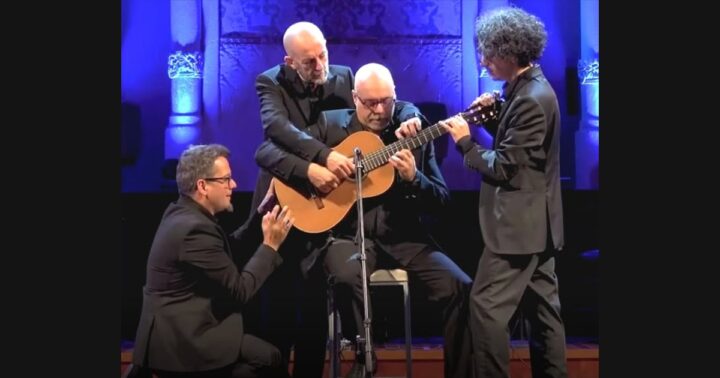
Barcelona Guitar Trio's one-guitar encore turns arrangement into a shared-space problem. Compare it with Jackson's video and Pentatonix to separate an instrument from its musical…

Fever had a history before this television duet. The song's movement through singers makes a useful context for hearing two featured voices share its central…

A home video places I Need to Be in Love inside a small interaction. Compare that use of the song with the Carpenters' released recordings.
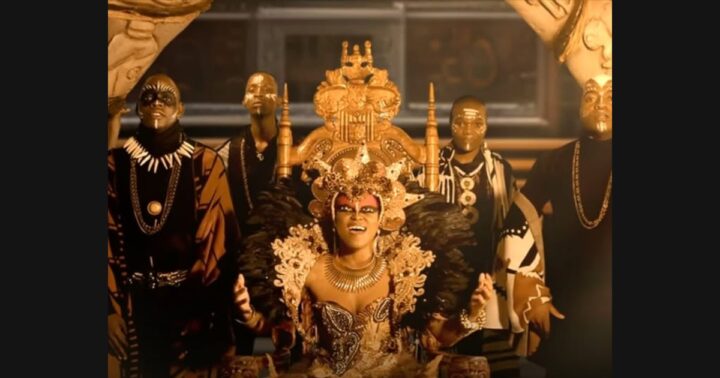
The isiZulu cover and the choir's original We Will Rise make different authorship relationships visible. A later Queen collaboration adds context without dating the music…

At the Kennedy Center Honors, a Bee Gees ballad offers a different view of Barry Gibb's catalog from the dance-floor songs often associated with it.

An a cappella Queen cover makes a useful guide to sectional form: follow what changes, what connects and why a song needs contrasting musical scenes.

Jack and Dad's cover points toward a distinctive songwriting choice: a detailed narrative that makes room for a refrain without ordinary sentences.

Warner's release account distinguishes the original album track from the November 2023 duet and its accompanying live video. That version history makes the clips easier…

The Gay Men’s Chorus of Los Angeles is a performing partner, while McBroom’s song develops its imagery through a separate musical and verbal structure.

The X Factor’s own description connects the material with a personal loss, while the original-song format gives melody and narrative the task of establishing their…

A short audition and two later repertoire references show why a recognizable musical identity can be introduced in limited time without representing everything an artist…