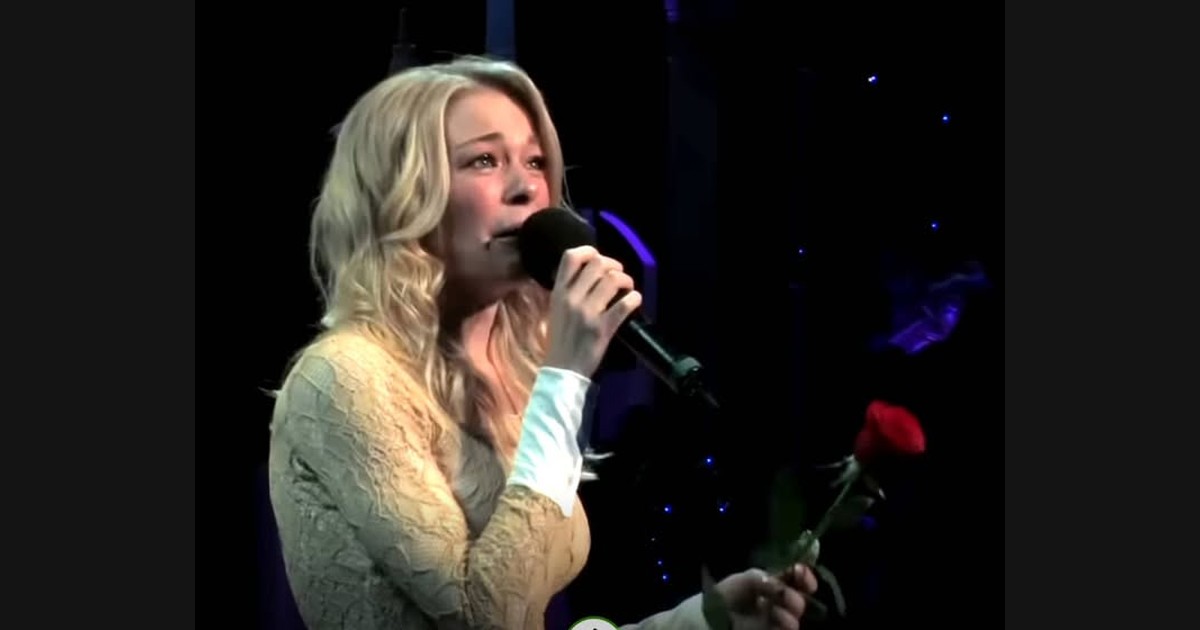
The word chorus can identify a group of singers or a returning section within a song. LeAnn Rimes’s The Rose with the Gay Men’s Chorus of Los Angeles is a useful occasion to keep those meanings distinct.
The artist’s official publication names the ensemble as her partner. Amanda McBroom’s writing has its own form, however, and a choir’s presence does not tell listeners in advance where repeated material or a contrasting section must occur.
The soloist and named ensemble
Watch on YouTube ↗
People and structure answer different questions
The performer credit tells us who undertakes the music. A structural description tells us how a composition develops. One cannot be read directly from the other.
A vocal group can participate in many kinds of form. Its musical responsibility might involve supporting an address, sharing material or creating another scale of statement. Those possibilities do not require every piece to contain an identically organized chorus section.
The distinction makes a listener’s account more precise. Saying that several voices participate identifies a resource. Saying that a section returns identifies a relationship within the piece. Both can matter, but they describe different things.
Images give the writing somewhere to proceed
The Rose develops its address through images and the relationship between vulnerability and possibility. The title’s flower becomes a culmination of that imaginative movement rather than merely a label announced at the beginning.
This gives a familiar composition a direction worth following in full. An ending has greater significance when the earlier images remain part of the listener’s experience. A short excerpt may preserve an arrival while losing some of what prepares it.
McBroom’s own published interview discusses the song’s unconventional shape. That is another reason to attend to its actual sequence rather than assume that every familiar ballad must fit the same map of verse, repeated hook and bridge.
A large ensemble still needs continuity
The presence of many singers can change the scale of an address, but scale alone does not create form. Individual phrases need relationships if the piece is to move coherently.
A useful hearing follows the writing through those relationships first. Notice what continues, what returns and what feels like an arrival. Then consider how the performing resources help make those connections available.
This is a framework for attention, not a transcription of exact entries in the Rimes recording. Specific claims about who sings a given line should remain tied to direct evidence.
Midler’s separate interpretation
The next uploader labels a Bette Midler performance from 1995. It gives the same composition another interpreter and recording identity, while the song’s structural question remains available.
Watch on YouTube ↗
Another ensemble with another piece
The final official selection presents the United States Air Force Band’s Singing Sergeants performing Hallelujah. The ensemble and composition both change.
Watch on YouTube ↗
The comparison therefore has clear limits and a useful purpose. A group of voices is a performing resource; a song’s form is an organization of musical time. Rimes and GMCLA give McBroom’s writing another presentation, while the listener can preserve the difference between the people singing and the structure they undertake.