A memorable competition clip can become the permanent entrance to an artist’s work. Adam Lambert’s “Born to Be Wild” and “Whole Lotta Love” recordings offer a television-era reference, but his official discography gives that reference a larger chronology. The performances can remain important without becoming a complete portrait of everything that followed.
The original linked “Born to Be Wild” recording is unavailable. The retained companion upload and separate “Whole Lotta Love” selection below supply the available musical references. They should not be used to invent details of the missing footage.
 Embedded playback unavailable
This recording could not be loaded from its publisher. Its original video link is preserved below.
Original YouTube video page ↗A competition appearance is one kind of document
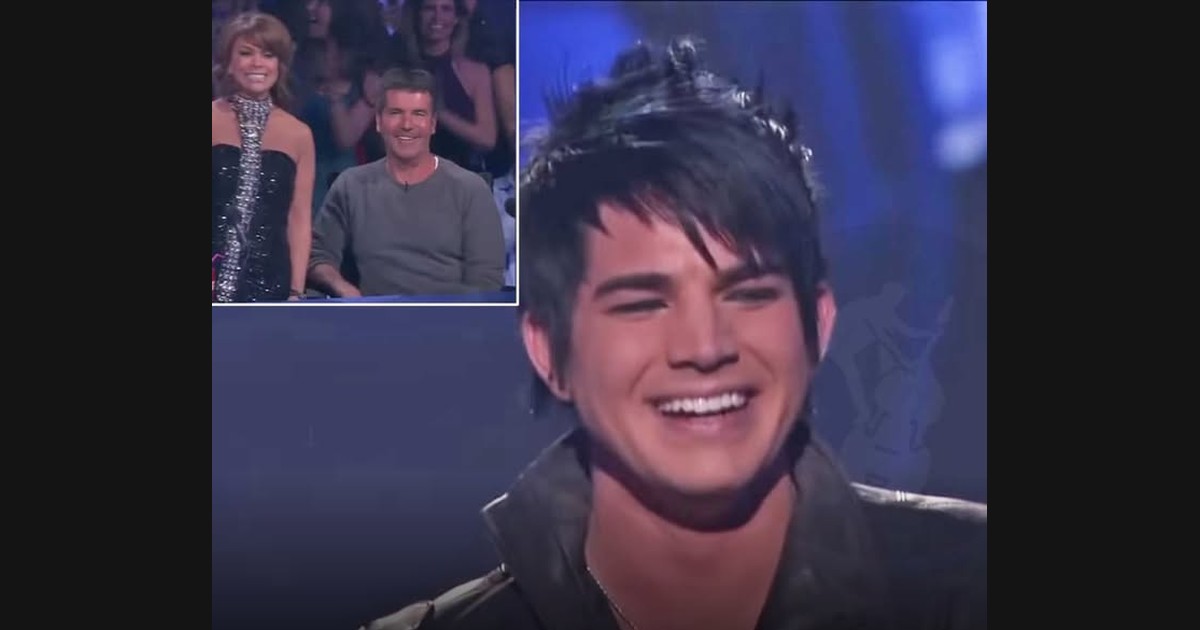
An American Idol performance presents a chosen piece within a program’s format. It can show how a singer interprets particular material, while the surrounding introduction and competition narrative shape what viewers notice.
That is different from an album, which can place several recordings into a published collection. A television selection may become more familiar than the later catalog simply because it continues to circulate, not because it represents the artist’s only meaningful work.
Keep the scope of an observation clear. A phrase from one cover can support a description of that interpretation. It cannot, by itself, establish the sound or purpose of every subsequent project.
The official catalog supplies concrete landmarks
Official release years locate projects; they do not date the recording of every performance circulating under an artist’s name.
| Release | Official catalog year |
|---|---|
| For Your Entertainment | 2009 |
| Trespassing | 2012 |
| High Drama | 2023 |
These landmarks do not explain the contents of each album on their own. They establish that the career extends beyond a short competition archive and give a listener defined projects to explore instead of relying on a vague claim that the singer later became successful.
A useful next comparison would name a particular recording from a collection and a particular feature to follow. A catalog title is an invitation to listen, not a substitute for listening.
Watch on YouTube ↗
Born to Be Wild remains a repertoire choice
The available companion keeps one selected song in view. Follow how the lead voice relates to its recognizable musical framework. What gives the interpretation continuity, and what makes a returning idea stand out?
Leave preparation and capture details open where the upload does not establish them. An audience or fan presentation can preserve a performance without documenting its complete rehearsal history.
Watch on YouTube ↗
Another song broadens the television reference
“Whole Lotta Love” changes the material while retaining Lambert as the performer. It provides a more focused comparison than assigning an entire artistic identity from one cover: how does the new composition change the kind of phrase or musical relationship worth following?
Do not assume that a shared competition context makes the songs equivalent. Each provides another framework for interpretation, and the result should be described at that level.
The final distinction is between an entry point and a boundary. A familiar Idol recording can introduce a listener to Lambert, while the official catalog prevents that introduction from silently becoming the limit of his recorded career. Keeping both references visible gives the archive a useful place without asking it to explain work it does not contain.