A familiar musical number can keep its identity while changing its place in a story. The Do-Re-Mi reunion at Julie Andrews’ AFI tribute is one later example of that flexibility. The song now acknowledges a film career and former colleagues, but its movement between settings began long before the ceremony.
Richard Rodgers and Oscar Hammerstein II’s The Sound of Music exists through stage and film versions whose songs do not always have identical dramatic placement. Do-Re-Mi and Edelweiss provide two clear cases. Understanding those differences adds context to their later lives as concert and informal repertoire.
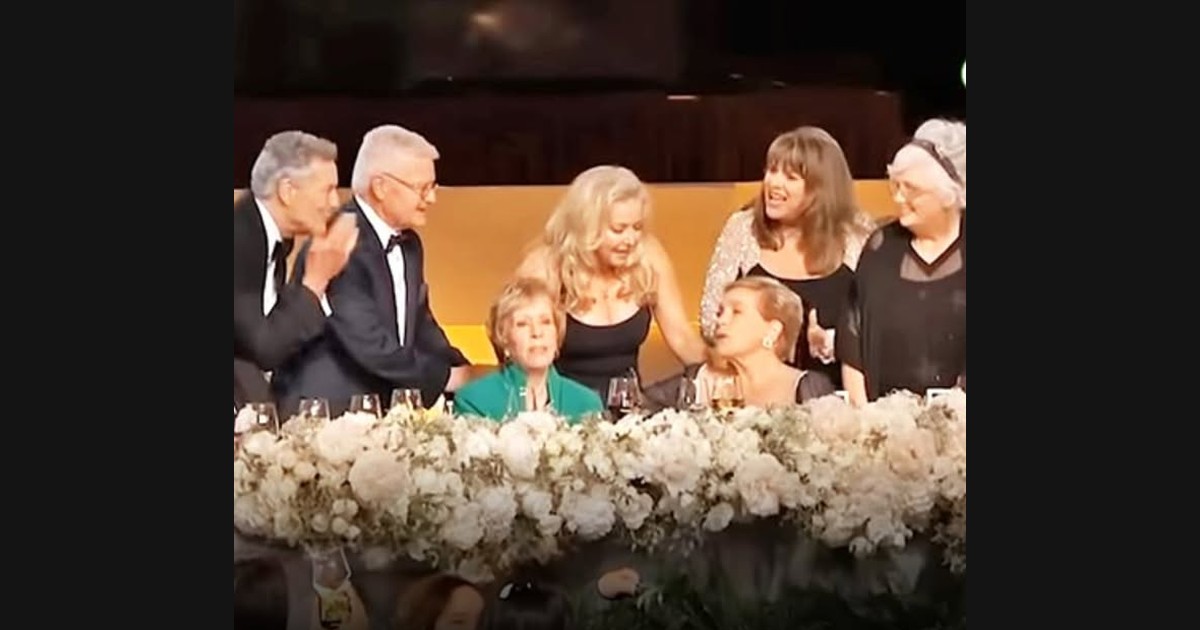
The tribute creates another occasion
Watch on YouTube ↗
AFI presented Andrews with its 48th Life Achievement Award in 2022. In that public frame, the cast’s return through a song is a recognition of shared work rather than a complete reenactment of the film. The material carries familiarity into an occasion with a new purpose.
This is one basic principle of adaptation: a song’s recognizable musical identity can remain while its surrounding action changes. The new context does not need every element of the earlier scene in order to make sense.
‘Do-Re-Mi’ changes its dramatic space
The Rodgers and Hammerstein account describes the stage song as Maria’s lesson drawing the children into singing. In the film, the number expands into a sequence traveling through Salzburg and its surroundings. The teaching purpose remains, while cinema supplies movement through several locations.
A stage scene and a film sequence organize time and space differently. A camera can join separate places into one musical progression. A live scene generally asks an audience to follow the action within its present theatrical space. The song can support both without becoming two unrelated compositions.
The AFI tribute adds a third frame. Instead of teaching fictional children or presenting a filmed journey, the number becomes a shared reference among performers and viewers. Recognition itself now does part of the dramatic work.
‘Edelweiss’ gains another scene in the film
Watch on YouTube ↗
The song’s official history identifies another difference. The stage musical refers to an earlier singing of Edelweiss but presents it at the concert. The film also shows the Captain taking up a guitar and singing with his family before the later public performance.
That added scene changes what a viewer has already experienced when the song returns. A reprise can carry memory from an earlier presentation, making the same melody available through a changed situation.
The Pink Martini selection with the von Trapps takes the composition into a concert program again. It retains the song while leaving behind the original plot’s exact sequence of scenes.
An informal performance changes the resources once more
Watch on YouTube ↗
The final selection places Edelweiss in an everyday room. Its presentation has fewer theatrical signals, but a recognizable tune and shared voices can still make the musical statement clear. The people performing it are not interchangeable with the actors at the AFI tribute; their connections to the material differ.
Together, the clips reveal adaptation as a continuing process rather than one change from stage to screen. A teaching scene can become a filmed journey and later a tribute greeting. A concert song can acquire an earlier family scene and then travel into other performances, retaining its identity while gaining new reasons to be sung.