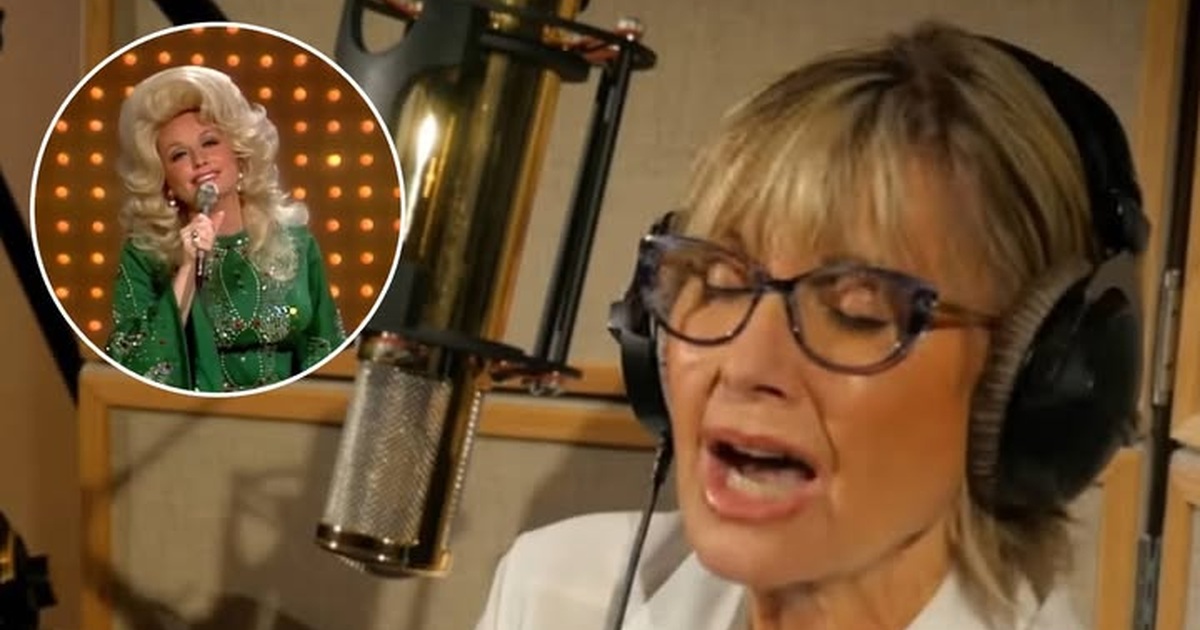
The duet of Jolene by Olivia Newton-John and Dolly Parton brings together two artists who already had separate relationships with the song. Parton wrote it; Newton-John recorded a version for her 1976 album Come On Over. Their later shared recording appeared in the 2023 release Just the Two of Us: The Duets Collection.
That history gives the three selections here a concrete purpose. They are not simply three opportunities to hear a familiar refrain. They offer the songwriter’s presentation, another singer’s solo interpretation and a later version in which the central narrative is carried by two voices.
The shared recording
Watch on YouTube ↗
A duet can make a single narrator less literal. Two singers do not have to become two separate people inside the story; they can share responsibility for presenting one perspective. Alternation can change emphasis, while overlapping voices can make the same statement feel collective.
That distinction helps keep performance separate from autobiography. A singer can inhabit a song’s dramatic situation without reporting a current private relationship. The presence of the songwriter does not remove that interpretive space for either performer.
A three-recording map
- Songwriter and composition: Parton’s authorship remains constant across the versions.
- Solo interpretation: Newton-John brings another featured vocal identity to the same material.
- Duet: the song’s perspective is distributed between two recognizable performers.
The map also clarifies the dates. An earlier solo cover and a later duet belong to different releases. The duet does not mean Newton-John first encountered the song in 2023, nor does a later video publication date establish when the audio was recorded.
The collection context also matters: a duets album organizes attention around relationships between performers, while an earlier solo album gives a song another place within one artist’s repertoire.
The songwriter’s recording as a reference
Watch on YouTube ↗
Parton’s official audio provides a reference for the composition through the singer most strongly associated with its authorship. Follow the relationship between the repeated identifying material and the passages that move the story onward. Repetition gives the listener an anchor; the changing material gives that anchor a developing context.
For a concrete comparison, keep one whole musical sentence in mind and return to it in the duet. Notice how the distribution between voices changes the way attention travels. The words can remain familiar while the apparent ownership of the line shifts.
Newton-John’s separate interpretation
Watch on YouTube ↗
The standalone Newton-John selection removes the duet relationship while retaining her vocal identity. Compare the task of carrying a complete line alone with the task of entering, yielding or combining within the shared recording.
A difference in vocal color is only one part of that comparison. Phrase shape, accompaniment and the placement of a return can also influence how the song develops. A useful preference identifies one of those relationships rather than declaring that every later version must compete with a single definitive performance.
The sequence shows how a composition can become common ground without losing its authorship. Parton’s song, Newton-John’s earlier interpretation and their shared recording belong to one musical history, but each creates a different relationship between narrator and performer. Hearing those relationships gives the duet value beyond the attraction of two familiar names together.