A familiar artist can give an existing song a new public setting without turning it into a literal statement about his private future. Willie Nelson’s Last Leaf at Farm Aid 2024 is best approached through its documented occasion and writing rather than an invented farewell narrative.
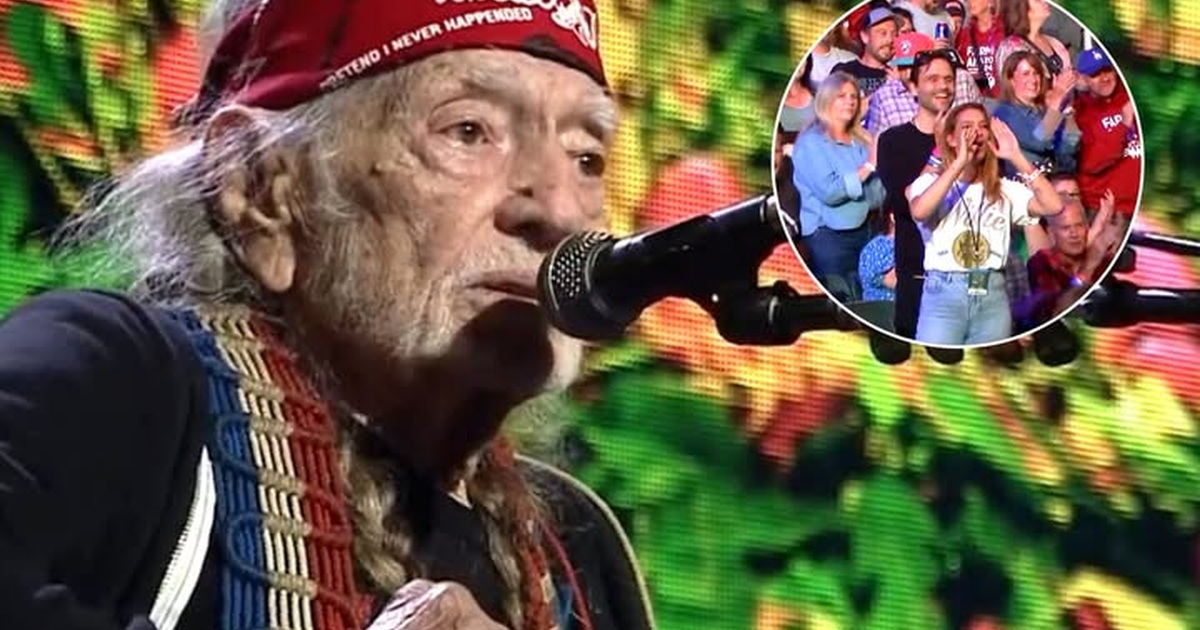
Farm Aid identifies Willie Nelson & Family at Saratoga Performing Arts Center in Saratoga Springs, New York, on September 21, 2024. Its description introduces Last Leaf as a song originally associated with Tom Waits. Nelson’s official catalogue also places it on Last Leaf on the Tree, with his album announcement crediting Particle Kid as producer.
The Farm Aid performance
Watch on YouTube ↗
A small image can carry a continuing situation
A last leaf is a specific image rather than an abstract declaration. Its relationship to a tree and a changing season offers a way to imagine persistence. The image gives the listener something concrete through which a broader idea can be considered.
That does not require every interpretation to predict the performer’s circumstances. A singer can undertake writing about endurance without making a public forecast. The distinction preserves the song as a composition, available to different voices and different listeners.
The title also establishes a relationship rather than only a condition. Being last implies a surrounding world that has changed. The continuing presence of one thing acquires meaning through what is no longer around it.
A festival provides a particular public frame
Farm Aid’s institutional purpose centers family farmers. A song within its program participates in a concert with that larger context, but each selection still needs its own musical direction.
The event’s purpose and the song’s imagery can be considered together without turning the composition into a literal policy statement. A public occasion supplies one reason for gathering; repertoire supplies particular addresses within that gathering.
Keeping the two levels visible makes the performance more specific. It is neither an anonymous late-career clip nor the whole meaning of the festival condensed into one title. It is one credited selection within a named event.
The official song video
The next artist-published selection is Last Leaf. It gives the composition another presentation connected with the album, rather than another camera angle automatically assigned to the Saratoga Springs stage.
Watch on YouTube ↗
Following the same piece across these publications allows the writing to remain the reference while the surrounding frame changes. More exact claims about edits, audio identity or recording sessions would need their own credits.
Another song from the Farm Aid appearance
The final official Farm Aid recording presents Angel Flying Too Close to the Ground from 2024. The event remains connected while the composition changes. That reverses the preceding comparison, where the song stayed constant and the presentation changed.
Watch on YouTube ↗
The set therefore offers two useful continuities: one song across publications and one event across repertoire. Nelson connects them as performer, but each piece retains its own situation. Last Leaf has enough imaginative space to address persistence without being reduced to an unverified story about the singer’s health or final performance.