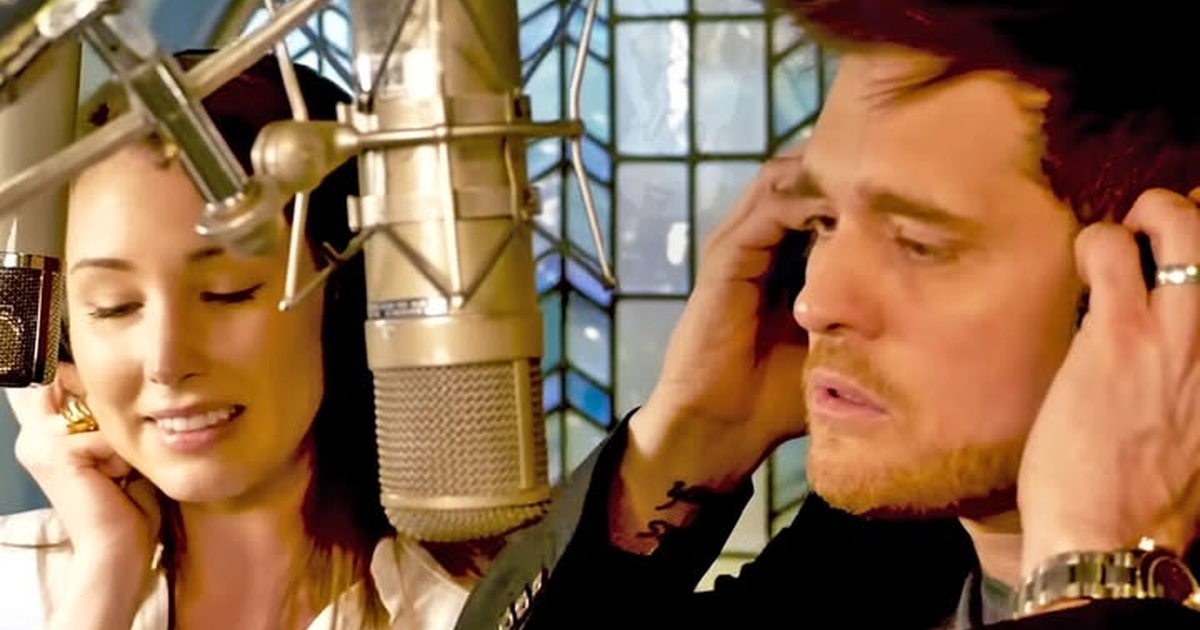
The first embedded video is not simply a concert performance. Michael Bublé’s official channel labels it a track-by-track feature for Help Me Make It Through the Night with Loren Allred. That format gives the recording a different job from the official audio that follows.
The composition belongs to Kris Kristofferson’s writing. His official timeline identifies the song within his catalogue and records its later recognition. Bublé and Allred enter that history as interpreters of an existing piece, rather than its original writers.
The track-by-track introduction
Watch on YouTube ↗
A feature and a complete track are different forms of access
A track feature can frame a recording through explanation and selected material. A complete audio publication lets the listener encounter its sequence as a musical whole. Both are useful, but one should not be mistaken for the other.
The distinction changes what a viewer can fairly conclude. An edited introduction may establish names, project context or a way of approaching the song. It does not necessarily reproduce every phrase in the finished version or present a complete live take.
That is why a pair of official publications can be complementary rather than redundant. One offers an entry point; the other gives the piece its own beginning, duration and ending.
A request becomes shared material
Help Me Make It Through the Night establishes a request for company. A duet gives two performers access to that address, creating possibilities beyond one person delivering a monologue toward an imagined listener.
The second voice can become another participant in the relationship. Alternation and shared material are possible ways to distribute the statement, but the precise division should be followed in the recording rather than assumed from the word duet.
Two singers also need not sound alike to make the relationship coherent. A contrast can help distinguish participants while a common composition gives them something to undertake together. The question is how their contributions belong to the same piece, rather than whether one erases the other’s identity.
Hear the official audio as a complete item
The second selection is the artist’s official audio publication of the duet. It provides the appropriate place to follow the whole track after the feature’s introduction.
Watch on YouTube ↗
One useful comparison is between expectation and experience. Notice what the introductory frame led you to attend to, then allow the full piece to establish its own relationships. Commentary can guide attention without deciding every response in advance.
Allred’s own featured performance
The final official Allred clip is Never Enough. Her description identifies her as the singing voice of Jenny Lind in The Greatest Showman and presents this as a live performance. The credit restores her individual musical context beyond being a guest name on another artist’s track.
Watch on YouTube ↗
The sequence therefore does three different things: introduces a collaboration, presents the resulting track and gives its featured singer another point of reference. The duet remains central, but the forms around it are part of the reading. Keeping them distinct gives both the song and its performers a clearer credit.