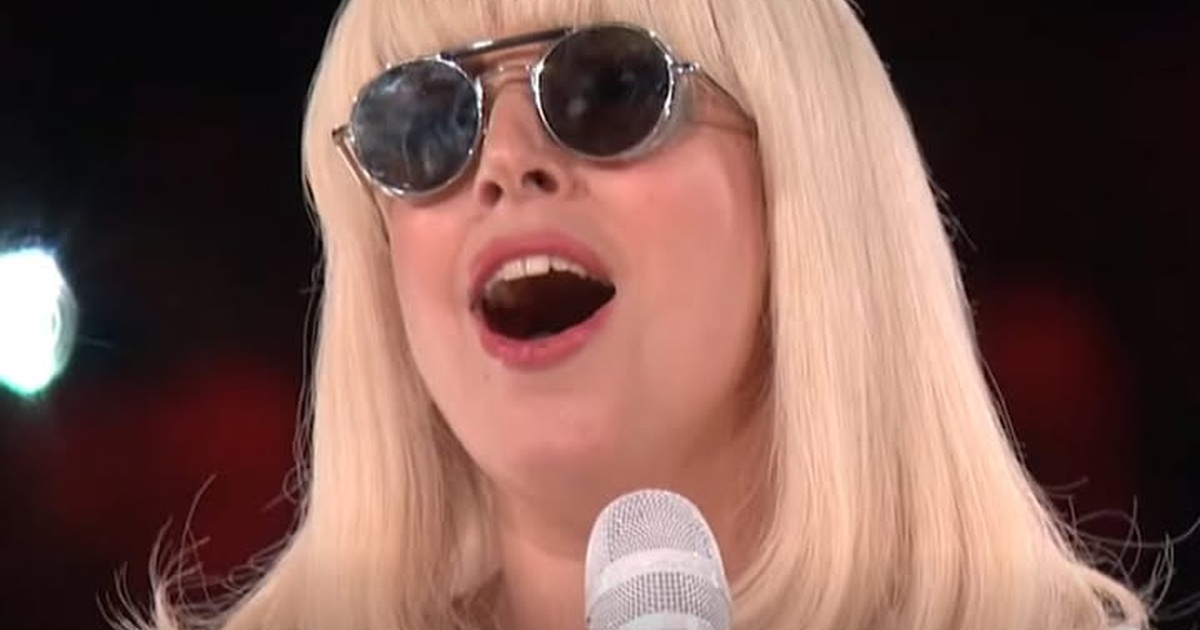
Lady Gaga’s “You’ve Got a Friend” tribute places a listener’s history in front of the song’s writer. At Carole King’s 2014 MusiCares gala, Gaga explained that listening to the song had mattered to her during difficult school years. The Recording Academy’s event report preserves that account, giving the performance a documented personal frame without requiring anyone else to invent one.
The occasion took place in Los Angeles on January 24, 2014. A concert release followed in 2015. Keeping those dates separate helps explain why the same tribute can circulate with more than one year attached to it.
Watch on YouTube ↗
From receiving a song to performing it
A recording normally reaches a listener without the writer present. The relationship can still feel direct: a phrase seems to address a particular need or a melody becomes associated with a period of life. A tribute reverses that direction. Someone who once received the song now sends it back as a performance.
Gaga’s introduction provides an example of that exchange. Her stated recollection should remain her account, rather than being expanded into a diagnosis or a complete explanation of her life. The meaningful fact is specific enough: she told the audience that this composition had been important to her.
The song does part of the thanking
A tribute can praise a writer in speech, but choosing and interpreting the work adds another kind of acknowledgment. The song becomes evidence of continuing use. It has moved from its original recording context into another musician’s repertoire and another public occasion.
That makes the musical address worth following. A song associated with friendship can speak outward to an audience while also acquiring a second addressee in the person being honored. Those layers need not compete. The listener can hear a complete composition and a public expression of gratitude at the same time.
For one passage, focus on how a phrase is allowed to finish. An accompanying instrument can leave room for the thought, extend it, or prepare the next entry. Such relationships provide a concrete musical focus alongside the occasion’s biographical context.
Return to King’s own presentation
The next selection is King’s official “You’ve Got a Friend” performance from Welcome to My Living Room. It keeps the composition steady while changing the principal performer. The comparison concerns interpretation, not the question of who has permission to find personal meaning in the song.
Watch on YouTube ↗
A writer’s version is a valuable reference, but it does not make every later interpretation merely an imitation. Different musicians can preserve a song’s central identity while giving its phrases different proportions. Listening to the versions together makes the writing’s adaptability more apparent.
A different voice honoring the same career
Aretha Franklin’s Kennedy Center performance supplies a further Carole King tribute context. It changes the song and performer, placing another part of King’s musical contribution before an audience. The useful connection is the career being honored, rather than an unsupported ranking of audience reactions.
Watch on YouTube ↗
The sequence moves from a listener’s stated history to the writer’s own performance and then to another artist’s tribute. It demonstrates a kind of musical reciprocity: songs enter private lives, become working repertoire, and return to their creators through public interpretation. Gaga’s selection is one clear example of that continuing exchange.