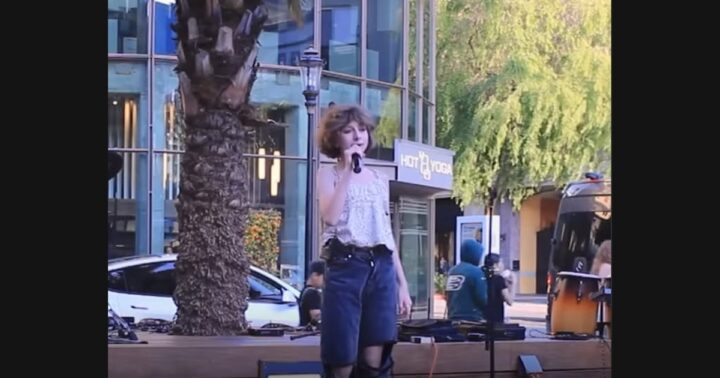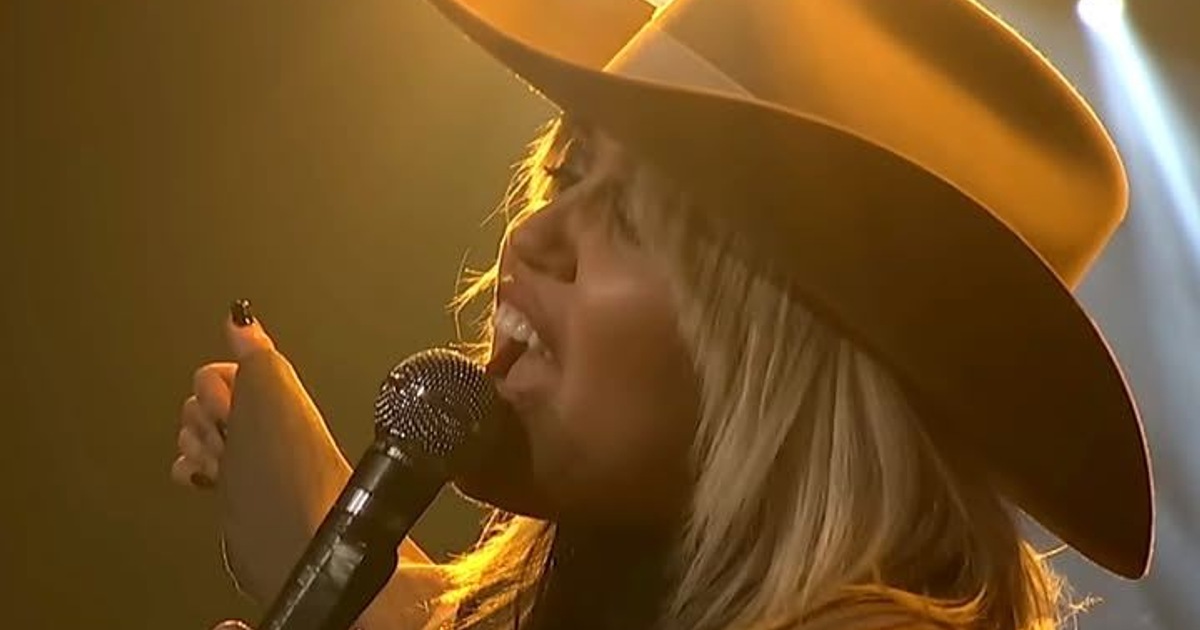
A cover can belong within an artist’s own concert world without becoming an imitation of its earlier performer. Miley Cyrus’s Like a Prayer is officially presented as part of ATTENTION: Miley Live. The publication identifies a February 2022 recording at the Bud Light Super Bowl Music Fest in Los Angeles’s Crypto.com Arena.
That gives the clip a particular event history. It also frames the song as part of Cyrus’s repertoire presentation, rather than a recreation automatically assigned to Madonna’s original staging or another unrelated tribute.
The ‘ATTENTION’ selection
Watch on YouTube ↗
Repertoire is a relationship built through use
An artist’s repertoire can include writing associated with other performers. Choosing and undertaking a piece makes it part of a current program without transferring the composition’s history to a new origin.
This is useful with a strongly recognizable song. Familiarity gives listeners a reference, but the present performer still has to make a coherent address. The identity of the song and the identity of the interpreter can remain distinct enough for both to matter.
A cover therefore need not be measured solely by resemblance. Reproducing a remembered voice is one possible aim, but it is not the only reason to choose another artist’s material. A composition may offer a structure or dramatic situation that the current performer wants to inhabit.
Keep association separate from production
A familiar title brings expectations about recordings, images and past events. Those associations belong to the listener’s history. The current publication supplies a different set of facts: who performs, where the clip belongs and which repertoire project presents it.
Comparing those layers is more precise than assuming every visual or vocal choice must refer to one earlier version. An artist can retain the recognizable composition while placing it within another concert’s resources and sequence.
The distinction also avoids turning the label rock or soul into a complete explanation. Such descriptions may identify broad associations, but a useful account still asks what the song is doing within this particular set of credited performances.
A two-singer partnership changes the format
The second official Cyrus upload is Don’t Dream It’s Over with Ariana Grande, presented by Happy Hippie. The familiar repertoire connection remains, while the named partnership and presenting frame change.
Watch on YouTube ↗
A duet adds another person to the act of interpretation. The relationship among performers can become part of how an address is shared, rather than only a background fact attached to the title.
A named tribute supplies another reason to choose a song
The final uploader labels Cyrus performing Man of Constant Sorrow for a George Clooney tribute. Here a particular public acknowledgment provides the frame. The clip should not be dated as part of the 2022 Los Angeles event merely because Cyrus appears in both.
Watch on YouTube ↗
The selection distinguishes three uses of familiar material: a song within a live repertoire project, a shared vocal partnership and a tribute item. Cyrus connects the set as interpreter. The different occasions explain why borrowing a composition can do more than one kind of work within an artist’s public performances.