A television audition can make an older song feel newly visible. Courtney Hadwin’s Hard to Handle selection is a useful example because the song has a history beyond the competition frame. Otis Redding’s official catalogue includes it on The Immortal Otis Redding, released in 1968, and his estate’s own video announcement acknowledges Hadwin’s later AGT performance.
That lineage matters. A viewer may encounter the song through rock covers or through a television clip, but those routes do not replace its soul-music connection. Knowing the earlier context creates another way to listen without requiring the new singer to imitate the earlier recording.
The audition presents a song and a person at once
Watch on YouTube ↗
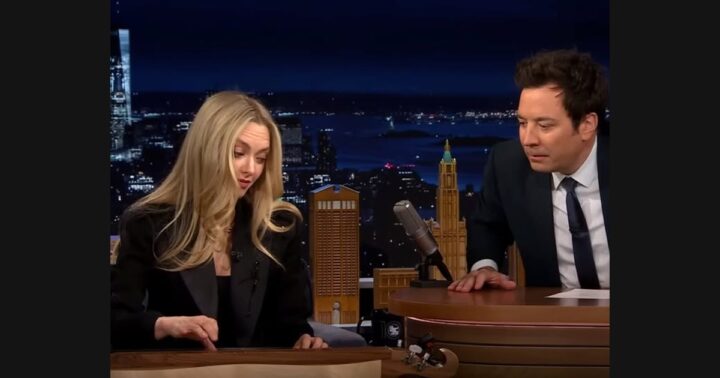
An audition has to introduce a performer quickly. The television presentation may emphasize the difference between an interview and a musical number, creating a strong before-and-after frame. The musical work can be explored more precisely by following how the singer delivers a phrase against the accompaniment.
Confidence on stage and quietness in conversation are not opposite identities that need a dramatic explanation. They are different activities. A reader gains more from noticing the relationship between words, rhythm and movement than from treating a short introductory exchange as a complete account of somebody’s personality.
Rhythm belongs to the delivery, not only the drums
A vocal line can reinforce a pulse, move across it or leave spaces that make the instrumental pattern clearer. That gives the singer a rhythmic responsibility alongside the melody. A familiar song can remain recognizable even when a performer changes the emphasis of a line.
Imagine a sentence with several short words arriving close together and a longer sound at the end. The contrast creates momentum and a point of arrival. Changing the balance between those parts can alter the character of the sentence without changing its underlying content.
This is a useful alternative to evaluating a performance only by roughness, volume or apparent resemblance to a famous singer. Vocal color may attract attention first, but the organization of the line helps explain how the song moves.
Another audition, another repertoire choice
Watch on YouTube ↗
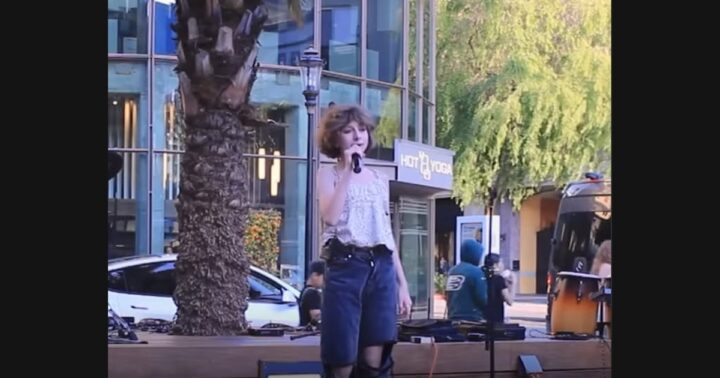
The official Nene Royal Zombie selection provides a competition-format comparison. The performers and compositions differ, so the goal is not a direct ranking. Follow how each clip establishes a recognizable musical identity within the limited space of an audition.
Keep the role of the television frame distinguishable from the musical line. An introduction tells a story about the participant; the arrangement and delivery create the performance that follows.
A duet distributes the same responsibilities differently
Watch on YouTube ↗
Adam Lambert and Leona Lewis’s Girl Crush changes the format to a shared lead performance. The responsibility for a musical sentence can pass between singers or become simultaneous. Compare that distribution with the concentrated featured role in an audition.
Hadwin’s clip becomes richer when these contexts remain separate: the song’s history, the singer’s interpretation and the competition’s presentation. The result is more than a surprise reveal. It is an example of how a composition travels through new performers and settings while continuing to offer distinctive rhythmic and melodic work.