A listener can know a voice before knowing the face associated with it. Loren Allred’s relationship with Never Enough is a clear example. Her official biography identifies her as the singing voice heard in The Greatest Showman, while distinguishing that contribution from the actress seen on screen.
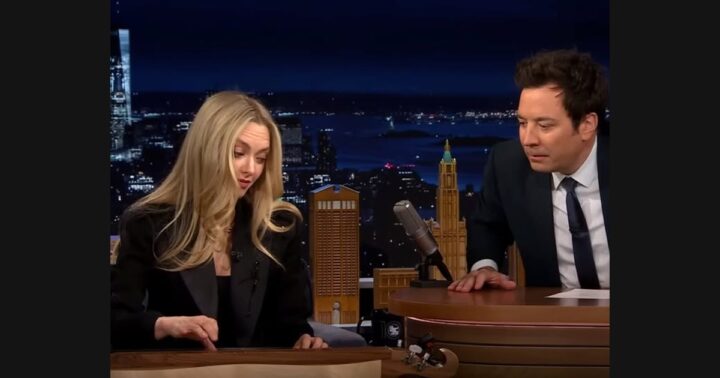
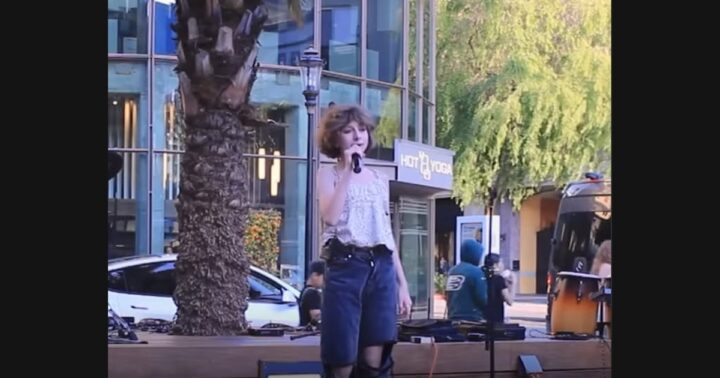
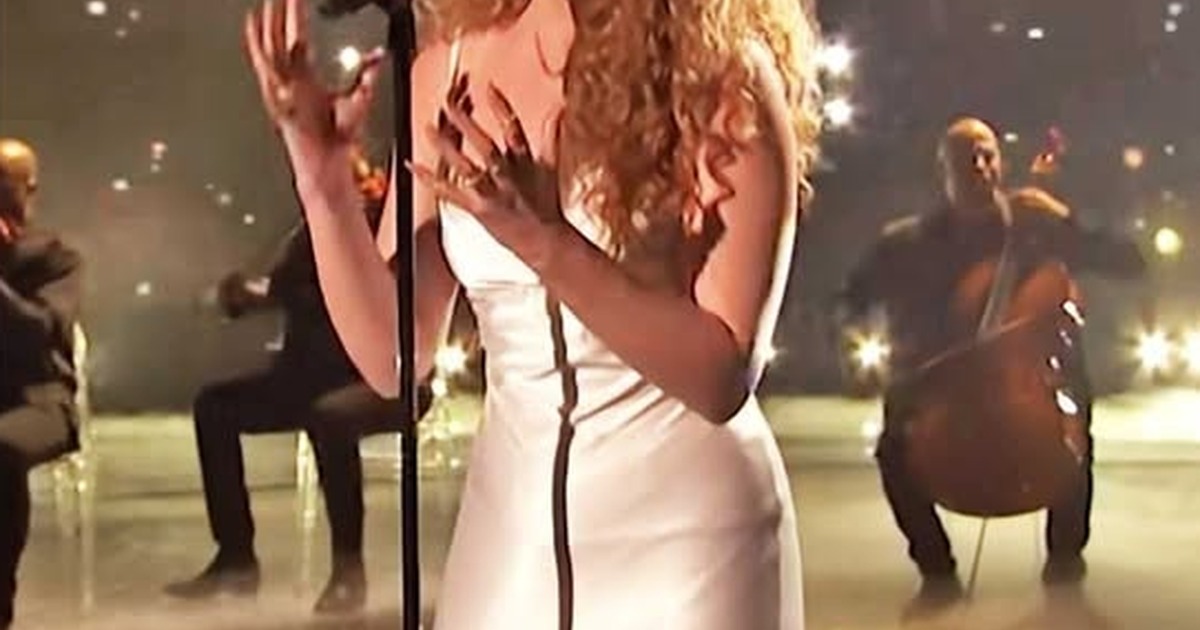
The three selections here let the song move through different public frames: an AGT performance, the 2022 Britain’s Got Talent audition and a David Foster concert presentation. They are not three stages in the discovery of an untrained singer. Allred’s soundtrack work already belongs to the song’s history.
The performer in view
Watch on YouTube ↗
In a standalone stage selection, the listener’s attention can attach the familiar vocal material to the person delivering it. This changes the experience even if the melody is already well known. A film places the voice inside a character’s presentation; a concert or television appearance places the singer before the viewer in another capacity.
That difference gives a useful reason to watch beyond recognition. Follow how a complete phrase is presented as an action by the singer now. Its preparation, continuation and ending all belong to a performance whose frame differs from the film scene.
Three credits that should not collapse into one
A film musical can involve a songwriter, an on-screen actor and a vocalist who supplies some or all of the singing. Those are creative roles, not competing claims to a single identity. Knowing the distinction gives each contributor a clearer place in the work.
The same principle applies when a song becomes familiar through a particular film. Association does not mean every later performance has to imitate its staging. The composition can be presented in a concert arrangement that draws attention to its melodic development and the singer’s delivery.
For example, a dramatic visual scene can help give a phrase its meaning in a film. A stage performance may instead rely on the musical relationship between the voice and the accompaniment. That is a change of resources, not a loss of legitimacy.
The audition provides an explanatory frame
Watch on YouTube ↗
The official Britain’s Got Talent selection is identified as a 2022 audition. Allred’s biography describes it as an occasion that publicly connected her face with the song. Keep the introduction and the performance distinguishable: one tells the audience who is appearing, while the other shows how the material is carried in that setting.
A reaction in the room can be part of the television presentation, but it should not replace attention to the musical line. Choose one phrase and follow its whole shape rather than using a reaction shot as the sole measure of its effect.
The concert selection changes the relationship again
Watch on YouTube ↗
The David Foster selection comes from An Intimate Evening with David Foster. Here the song sits inside a concert program rather than an audition narrative. Compare how each frame prepares a listener for the same composition.
The three performances are especially useful when the story of the voice and the work of singing remain in view together. Recognition supplies context; the interpretation supplies the musical event. Allred’s connection to Never Enough is not just an explanation to hear before the song begins. It is a way to understand how film music gains a continuing life through the people who perform it.