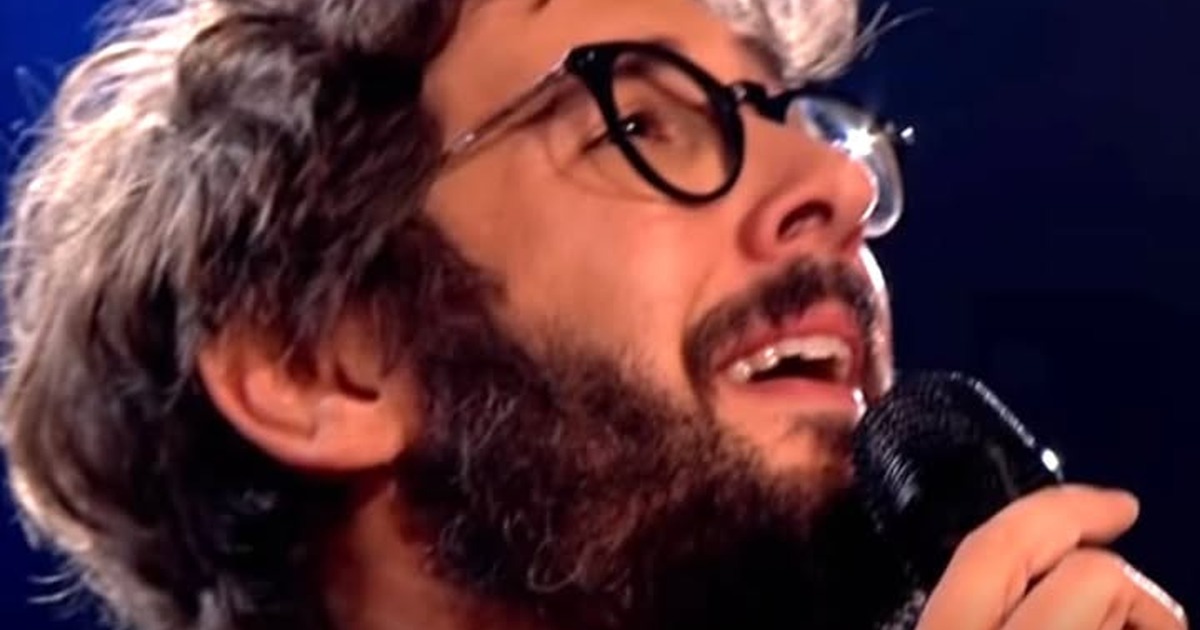
A performance’s title can identify a place, a series or a repertoire project. Josh Groban’s three selections here contain all three kinds of label. Reading them carefully gives each recording a clearer setting than simply grouping them as live clips by the same singer.
BBC Music names the main You Raise Me Up recording as Proms in Hyde Park 2018. Its description places Groban alongside the BBC Concert Orchestra and Rock Choir for Radio 2’s Last Night of the Proms celebrations. The title identifies an event; the publisher makes a record of that event available elsewhere.
The Hyde Park event and its published clip
Watch on YouTube ↗
Being present and viewing later are different positions
A concert gathering shares a place and a sequence as they occur. A later viewer may enter directly through one song, pause it or compare it with another recording. Neither position is an inferior form of attention, but they do not provide identical information.
The published clip supplies a selected point of entry. Its event credit helps restore the larger frame without pretending that the single item contains the whole program. A viewer can understand where the performance belongs while concentrating on the particular composition.
This also explains why an upload date cannot automatically date the event. Publication and performance are different actions. Here the BBC’s event identification is a firmer reference than treating every later appearance of the clip as another concert.
Institutional credits create continuity
The orchestra and choir are named participants, not merely evidence that the occasion was large. The BBC name also identifies the presenting context. These credits help connect the musical record with the people and organization responsible for it.
That connection becomes useful when a selection circulates alone. A shortened caption may retain only a singer and song. Restoring the named ensemble and series prevents the recording from becoming an anonymous illustration of a familiar title.
Credit does not settle a listener’s response. It supplies a reliable frame within which a response can become more specific. The musical interpretation still has to be encountered rather than inferred entirely from the prestige of the presenting organization.
A Radio 2-labelled selection
The second official BBC upload identifies The Impossible Dream for Radio 2. The broadcasting organization remains connected, while the composition and published performance label change.
Watch on YouTube ↗
This is not evidence that both songs came from one continuous Hyde Park set. A shared publisher is a useful connection, but it cannot replace an actual event credit. Keep the label attached to the particular item.
‘Stages Live’ provides another organizing idea
The last official Groban video is All I Ask of You from Stages Live. The title connects a song with a named repertoire project rather than merely another venue caption.
Watch on YouTube ↗
A project label helps a viewer see why selections have been gathered together. It is another kind of context, different from knowing the precise date or geography of a performance.
The playlist is therefore useful as more than three familiar songs. It shows how a musical record travels through event, broadcaster and repertoire project. Groban remains the connecting performer, while each frame preserves a different part of the recording’s identity for people arriving later.