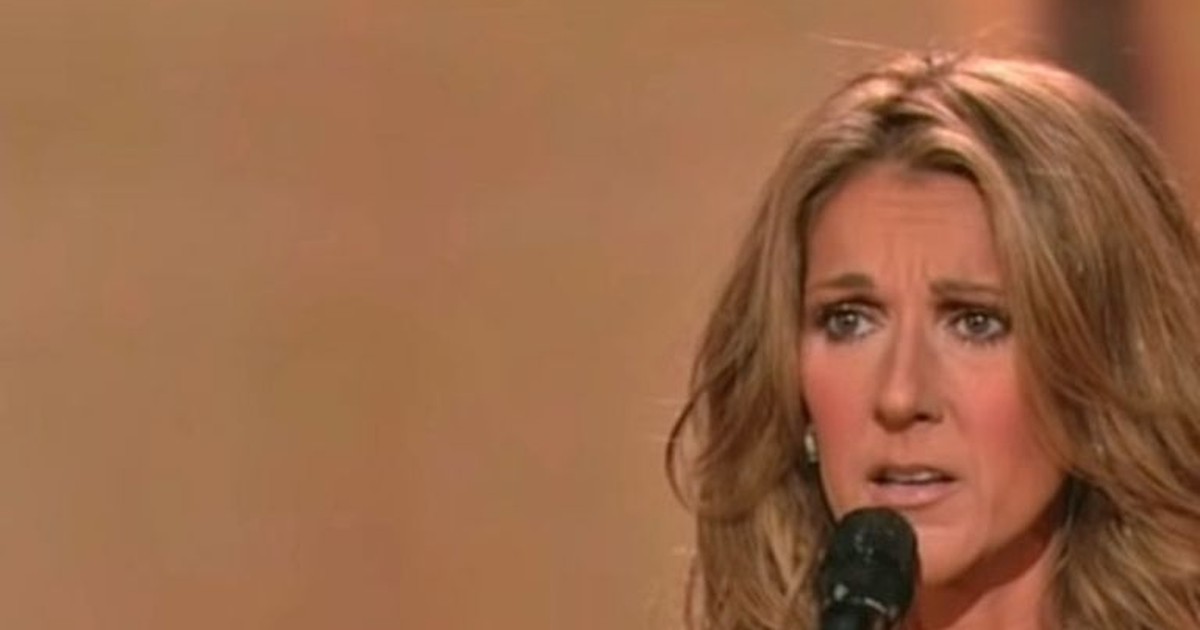
A story attached to a duet can change the way a listener hears its partnership. Céline Dion and Josh Groban share a documented connection through The Prayer: as a teenager, Groban stood in for Andrea Bocelli at a GRAMMY rehearsal. That earlier encounter provides context for the featured collaboration, but it should remain distinct from the later performance.
In a published interview, Groban recalled being seventeen when David Foster asked him to learn the song and rehearse with Dion because Bocelli was unavailable. The significant detail is the job he was asked to do. He was a rehearsal substitute, rather than the performer who replaced Bocelli in the televised ceremony.
Watch on YouTube ↗
Keep the recalled event separate from the recording
A later meeting can bring an early career episode into view without showing that episode itself. That is the difference between a performance carrying a history and a video documenting the original event. A singer’s introduction may connect the moments, while the duet still belongs to its own occasion.
This distinction protects the story from becoming a misleading caption. Identifying a teenage rehearsal does not establish that the person in the featured footage is still seventeen. Nor does the upload’s publication date automatically identify when the duet was performed. A useful description names the collaboration and explains the earlier connection separately.
The song also has a history beyond this partnership
The Prayer was nominated for Original Song at the 1999 Oscars for Quest for Camelot. The Academy’s record credits Carole Bayer Sager and David Foster for music, with Sager, Foster, Tony Renis and Alberto Testa credited for lyrics. The composition therefore has its own identity alongside the performers associated with it.
These layers do different work. The film credit identifies a work and its writers. The rehearsal explains an encounter between two singers. The present duet lets the audience hear a particular interpretation. None needs to replace the others for the performance to become meaningful.
Listen for collaboration after the introduction
A biographical story can invite attention toward one singer’s arrival. Once the music begins, another relationship becomes available: how the singers distribute a line, connect separate phrases and sustain shared material. Following that work allows the duet to remain more than an illustration of a career anecdote.
Choose a passage that includes a transition between voices. Describe what keeps the musical direction clear as responsibility changes. It may be a continuing accompaniment, a related melodic shape or the timing of an entrance. Then identify what changes when two voices become audible together. The actual recording supplies the details; the history supplies a reason to pay attention.
Return to Dion and Bocelli at Central Park
The accompanying upload identifies Dion with Bocelli at Central Park in 2011. It offers another partnership on the same composition. Keep the song as your reference and compare one transition between parts, rather than making the performance stand in for the earlier GRAMMY rehearsal.
Watch on YouTube ↗
Changing a partner can alter the relationships within a duet while leaving its identity clear. Describe the feature you hear before attributing a cause to vocal type, arrangement or recorded balance.
Change the composition with All I Ask of You
The Stages Live selection brings Groban into another shared song. Its musical material establishes a new situation, so the useful continuity is the act of collaboration: how a singer carries a phrase while leaving room for another presence.
Watch on YouTube ↗
Returning to The Prayer, the recording now has a clearer place among its connections. A documented rehearsal explains an early opportunity; the song’s credits identify a composition; the duet offers a partnership to hear in its own right. Keeping those moments distinct makes the story more interesting and the musical comparison more precise.