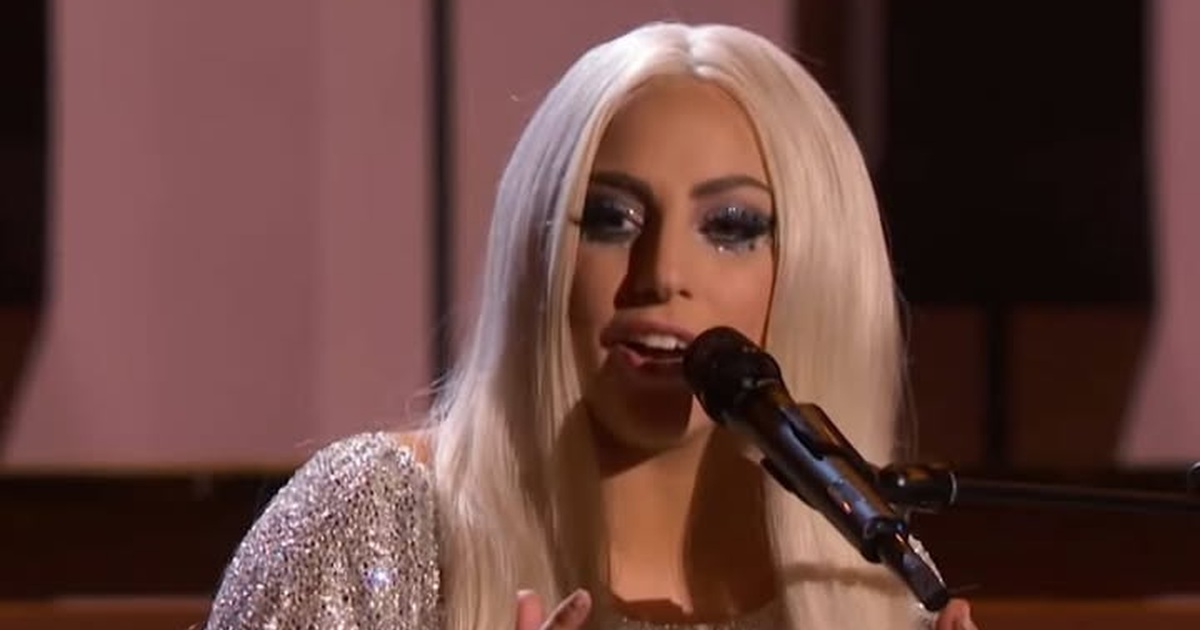
A musical tribute has a different task from a greatest-hits collection. It invites another performer to demonstrate what a song can do in new hands. Lady Gaga’s I Wish at the Stevie Wonder GRAMMY salute belongs to that form: the honoree’s writing supplies the shared reference, while a guest contributes an interpretation.
The 2015 special celebrated Wonder through a range of artists. Its title, Stevie Wonder: Songs in the Key of Life — An All-Star GRAMMY Salute, also points toward his catalogue. I Wish comes from the 1976 album Songs in the Key of Life. The album and the later tribute are separate works linked by repertoire.
Watch on YouTube ↗
A remembered childhood can become another singer’s material
I Wish looks back toward childhood through a rhythmic pop setting. That combination gives an interpreter two related jobs: communicate a retrospective point of view and participate in the music’s forward movement. Recollection does not require a performance to become motionless or solemn.
Keep the speaking position inside the song distinct from the guest singer’s biography. Gaga’s performance of Wonder’s material does not make its remembered experiences her own. An interpreter can make the account clear through phrasing, emphasis and musical timing while preserving that distinction.
A tribute offers evidence of influence through selection
Choosing a song is already a form of emphasis. A tribute could foreground a ballad, a rhythmic piece, a duet or a lesser-known composition. Each selection brings a different part of the honoree’s work into the evening. Here, a song from Wonder’s 1970s catalogue provides the point of contact.
This is more concrete than declaring that an artist influenced everything a guest has ever done. The performance creates a particular encounter between singer and song. It can reveal affinities without requiring a claim about the private reasons for every interpretive decision.
Hear phrasing inside a rhythmic setting
To follow that encounter musically, identify a short pattern you can keep in mind underneath the voice. Attend to how a phrase begins against it, where syllables cluster and where a release leaves room for the surrounding music. A rhythmic interpretation involves those relationships as well as the notes of the melody.
Then choose a line whose narrative direction is clear to you. Listen for whether its shape guides you toward the end of a thought or toward the next recurring musical event. The two can cooperate. A precise description can name that cooperation without turning the performance into a claim about universal excitement.
A film song changes the interpretive task
The accompanying Hold My Hand clip identifies Gaga at the 2023 Oscars. It brings one of her own credited film songs into a ceremony, a different relationship from a guest interpreting an honoree’s catalogue.
Watch on YouTube ↗
Compare what the event is recognizing. In the tribute, the performance helps illuminate Wonder’s work through another singer. At the Oscars, a song associated with a nominated film enters the awards program. The occasion supplies a different frame even when the same vocalist commands attention.
A ballad adds another repertoire connection
The Royal Variety Million Reasons recording offers a third setting. Follow a complete phrase there, then return to I Wish and compare the musical reference around a phrase: a sustained setting, a recurring pattern or another clearly identifiable layer.
Watch on YouTube ↗
The tribute becomes more interesting when interpreted through that specificity. Its purpose is not to prove that Gaga sounds like Wonder or to rank unlike songs. It puts a piece of his writing into active use. The guest’s musical decisions allow a familiar catalogue to remain recognizable while offering another route into it.