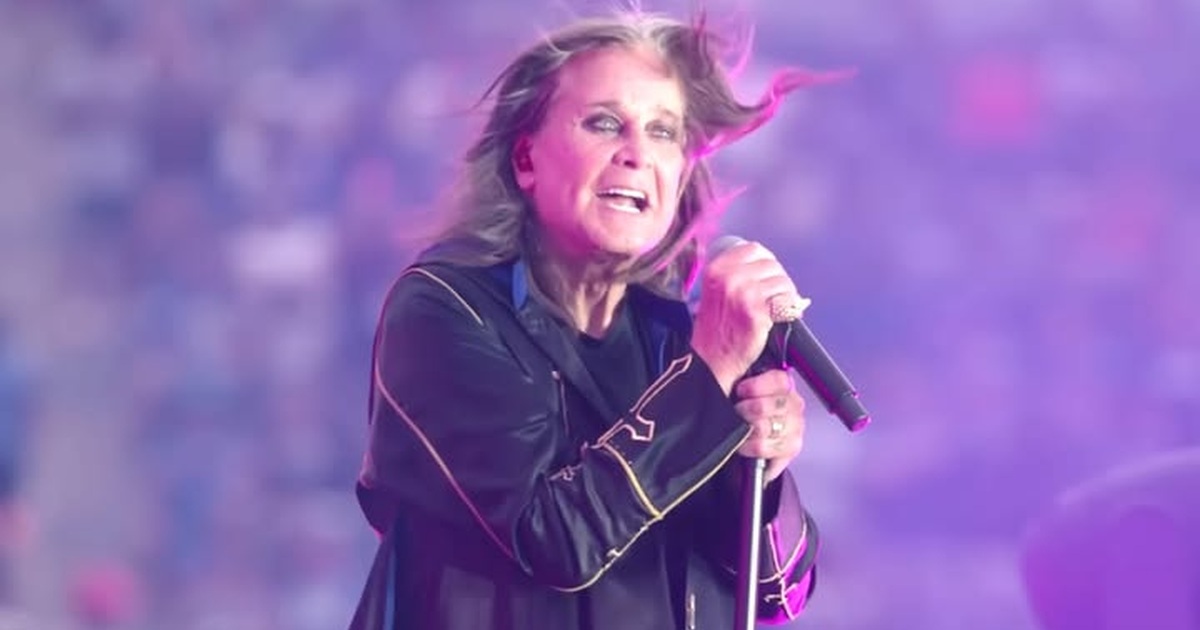
A recognizable voice can connect recordings whose release identities are different. The three selections here offer a practical introduction to that distinction in Ozzy Osbourne’s catalogue: two videos carry his solo-artist name, while Paranoid belongs to Black Sabbath’s band identity.
There is another distinction inside those releases. An album date, a music-video date and a later upload date do not necessarily match. Using the artist’s own catalogue makes the history clearer without requiring a private biographical explanation for every song.
‘Crazy Train’ and the solo catalogue
Watch on YouTube ↗
The official catalogue places Crazy Train on Blizzard of Ozz, dated September 1980. The same album page lists the official video’s release separately in March 1987. That later date does not make the song a newly written 1987 composition.
This is a useful example of why a video is not the entire history of its music. A recording can circulate through albums, concerts, compilations and new visual presentations. Each appearance can introduce listeners to material that already has an established release context.
A small catalogue map
| Selection | Identity to keep clear |
|---|---|
| Crazy Train | A solo-catalogue song associated with Blizzard of Ozz. |
| Mama, I’m Coming Home | Another solo release, within No More Tears. |
| Paranoid | A Black Sabbath selection, carrying the band’s credited identity. |
The map is not a complete discography. It provides enough structure to prevent one familiar singer from erasing the different collaborations and releases around the voice.
A second solo recording broadens the repertoire
Watch on YouTube ↗
Mama, I’m Coming Home belongs to No More Tears, released in 1991. The artist’s catalogue lists its official video in March 1992. Again, the dates describe separate events in the song’s public life.
The composition also provides a contrast within the solo repertoire. A ballad can organize attention around the continuity and arrival of a vocal line, while another song may make recurring instrumental material more immediately central. A catalogue contains those different musical assignments without needing one song to represent every part of it.
For a focused comparison, follow what the accompaniment maintains between featured statements. That reveals how the song stays in motion even when the central voice leaves space. The supporting musicians remain part of the performance’s identity.
Osbourne’s own album account also names Lemmy Kilmister as a co-writer of Mama, I’m Coming Home, another reminder that a solo-artist release can contain shared songwriting.
The band name matters
Watch on YouTube ↗
The official Black Sabbath Paranoid selection changes the credited artist frame. Recognizing Osbourne’s voice can connect it with the solo selections, but the band identity should remain visible. A singer’s career can include several collective and individual release contexts.
Compare the relationship between the featured line and the instrumental framework rather than treating every recording as an example of one fixed sound. Different compositions and collaborators create different balances.
The three videos offer a grounded way to remember a musical catalogue: identify the song, preserve the credited artist and distinguish its original release context from later presentations. Those small pieces of information make the recordings more informative, allowing a familiar voice to connect the selections without flattening their separate histories.