Some duets simply divide a song between two singers. Others use the presence of two people as part of the song’s design. A Whole New World, written by Alan Menken and Tim Rice for Aladdin, belongs usefully in the second discussion. Its move between individual perspectives and shared musical space remains interesting even when the animated setting is absent.
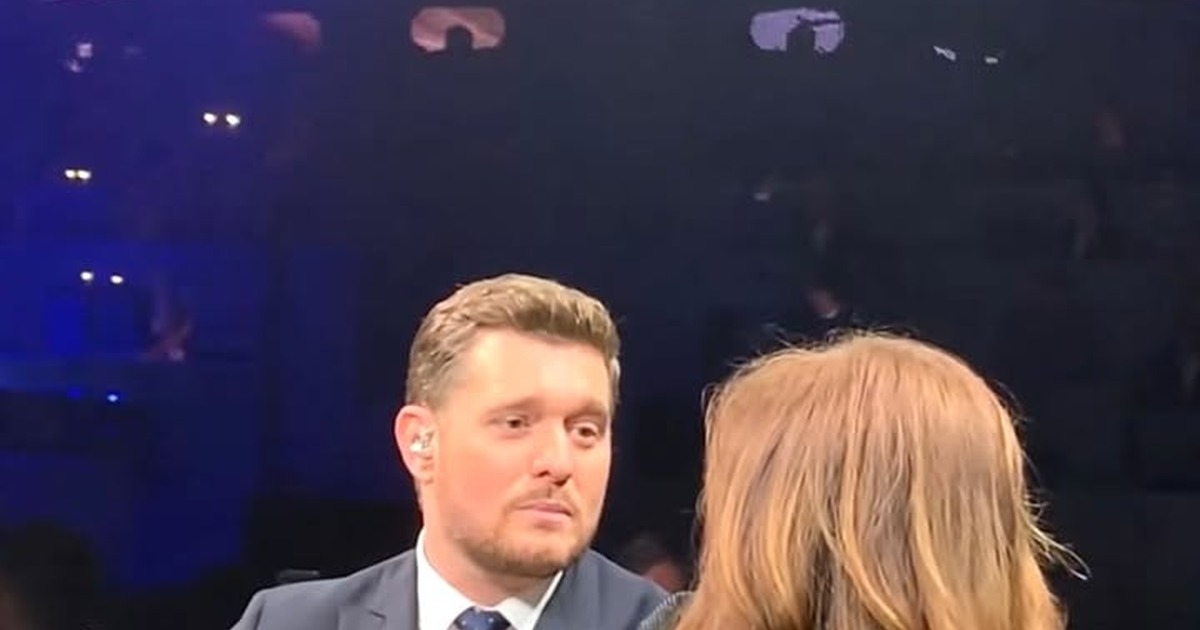
Michael Bublé and Diana Fairbanks’s concert selection offers a way to hear that structure outside the film. The performance does not need scenery or a literal reenactment to make a relationship between two voices available. The arrangement of the song already supplies places for difference and connection.
Begin with perspective, not vocal size
Watch on YouTube ↗
A solo line temporarily places the listener beside one voice. A response moves that point of attention. When voices overlap, the perspective becomes shared in another way: the listener can hear two identities occupying the same musical moment.
Those changes matter independently of volume or range. A quiet entrance can alter the dramatic relationship because a person who was listening is now contributing. A shared passage can create a sense of common direction even if the singers retain noticeably different vocal colors.
A simple map of the duet idea
- Individual space: follow a complete line with one singer.
- Changed perspective: notice what happens when the other voice takes responsibility.
- Shared space: distinguish the tune from any supporting part when both are active.
- Arrival: hear how a phrase or section reaches a point that feels settled.
This map is a way to listen, not an assertion that every version follows an identical sequence. Performers and arrangers can redistribute material while retaining the central duet idea. The useful question is whether the relationship remains clear.
For example, if a passage usually associated with one character moves to the other singer, the melody may remain recognizable while its apparent point of view changes. A cover can therefore reinterpret a scene without changing the words or adding an explanatory speech.
Remove the fictional characters, retain the relationship
Outside a film, the singers need not pretend to be the original characters. They can present the song as a concert duet. That change leaves room for musical partnership while avoiding a literal reading of every line as a statement about the performers themselves.
It also allows a listener to enjoy the song without knowing the scene. Alternation, overlap and resolution are audible relationships. The original story adds context, but it is not the only route into the music.
Watch on YouTube ↗
Compare a different kind of exchange
The related Bublé and Josh Groban selection changes the relationship between performers. Follow how attention passes between them, then distinguish that exchange from the dramatic two-perspective design of A Whole New World. Two people sharing a stage does not automatically mean every performance functions as the same kind of duet.
Watch on YouTube ↗
Bublé’s official Feeling Good performance supplies the solo contrast. A single featured singer can develop changes of perspective through phrasing and arrangement, but there is no second lead identity to make the exchange literal.
Returning to the Fairbanks duet reveals how much of its appeal belongs to the song’s structure. The individual voices remain important, yet the relationship between them gives the performance a shape that neither could create in quite the same way alone.


