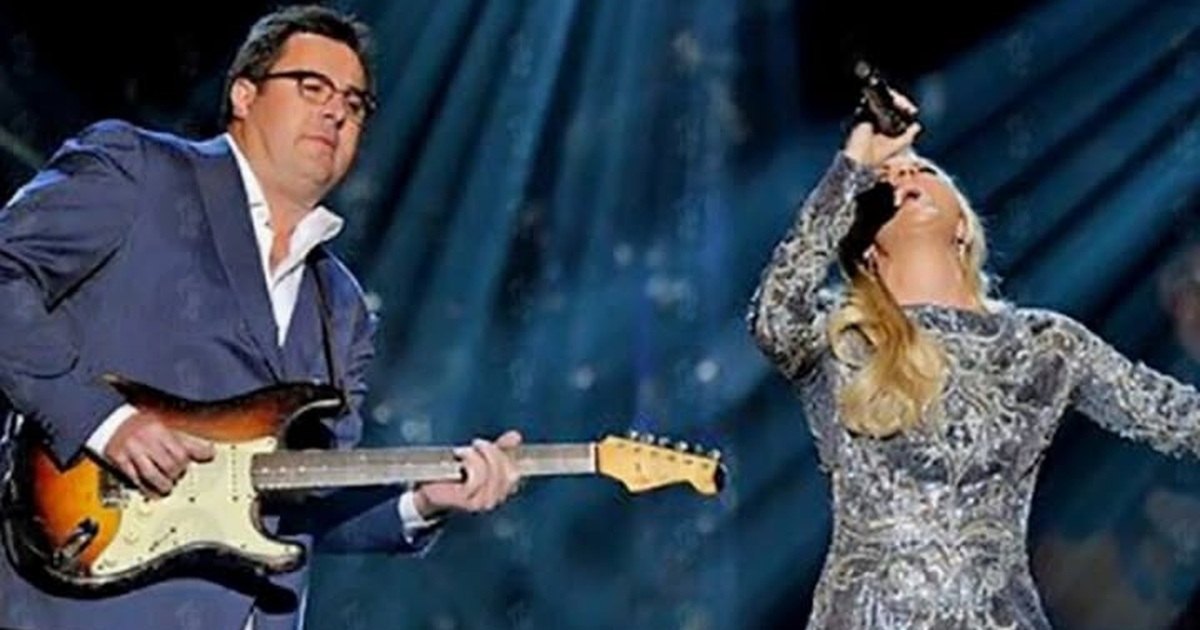
A hymn can have a life in congregational singing and another life as a featured concert selection. Carrie Underwood and Vince Gill’s How Great Thou Art at ACM Presents: Girls’ Night Out belongs to the second setting. The familiar composition enters a program in which named performers interpret it for an audience.
Underwood’s official discography identifies this live collaboration on Greatest Hits: Decade #1. That credit anchors the partnership and occasion. It does not require a claim that the performance produced the same spiritual experience for everyone who heard it.
Watch on YouTube ↗
The composition carries a history of adaptation
The English hymn is associated with Stuart K. Hine, with a traditional Swedish melody adapted by him. Its history crosses languages and forms of publication. The concert interpretation is one more specific presentation of a composition already capable of being sung by different voices.
That distinction matters when a performance is called definitive. An individual rendition can emphasize particular features without exhausting the work’s possibilities. A congregation, a solo singer and a concert collaboration have different resources and purposes even when they retain a recognizable melody.
A return gives a changing verse a reference point
The hymn’s verse-and-refrain design provides a concrete musical relationship to follow. New text can develop through a verse while the refrain restores familiar material. A returning tune may therefore feel both recognizable and changed by what has preceded it.
Choose two appearances of a recurring passage in the recording. Describe one audible relationship: the placement of a vocal line, the surrounding texture or the connection into the return. This keeps the account attached to the interpretation instead of making a strong final note explain the entire performance.
A featured rendition changes the listening position
In communal singing, a listener may also be a participant. In a featured concert performance, attention can settle on the decisions of particular interpreters. Both are valid musical settings, but they do not ask the same thing of everyone present.
Consider the division of responsibility in this collaboration. Follow a passage in which one part is easiest to distinguish, then attend to what supports it. The credit names Underwood and Gill; the recording lets you examine what their partnership contributes. Describe only the role or relationship you can actually identify.
Keep repertoire and presentation separate
The accompanying Alexandra Burke Hallelujah clip changes the song and television setting. Its title may invite associations with sacred language, but that alone cannot make it the same kind of work as the hymn above. Identify a composition through its own credits and text rather than through a shared impression of solemnity.
Watch on YouTube ↗
For the musical comparison, choose one returning phrase and follow its relationship to the surrounding sections. This is a question about form and interpretation, not a conclusion about what either performer believes or how a listener should respond religiously.
A choir provides another performing resource
The third selection identifies the Singing Sergeants of the United States Air Force Band performing Hallelujah. An ensemble introduces the possibility of several voices sustaining and sharing material. Listen for the relationship between an identifiable line and the sound around it.
Watch on YouTube ↗
Then return to the Underwood–Gill collaboration and preserve the distinctions you have established: composition, musical form, performing resources and event. They allow a detailed appreciation that remains open to listeners with different associations.
The hymn’s concert life can be considered through phrasing, continuity and partnership. A listener may also bring worship, memory or another personal response to it. Keeping that response separate from the audible performance makes room for both the composition’s religious identity and the varied people who encounter its music.