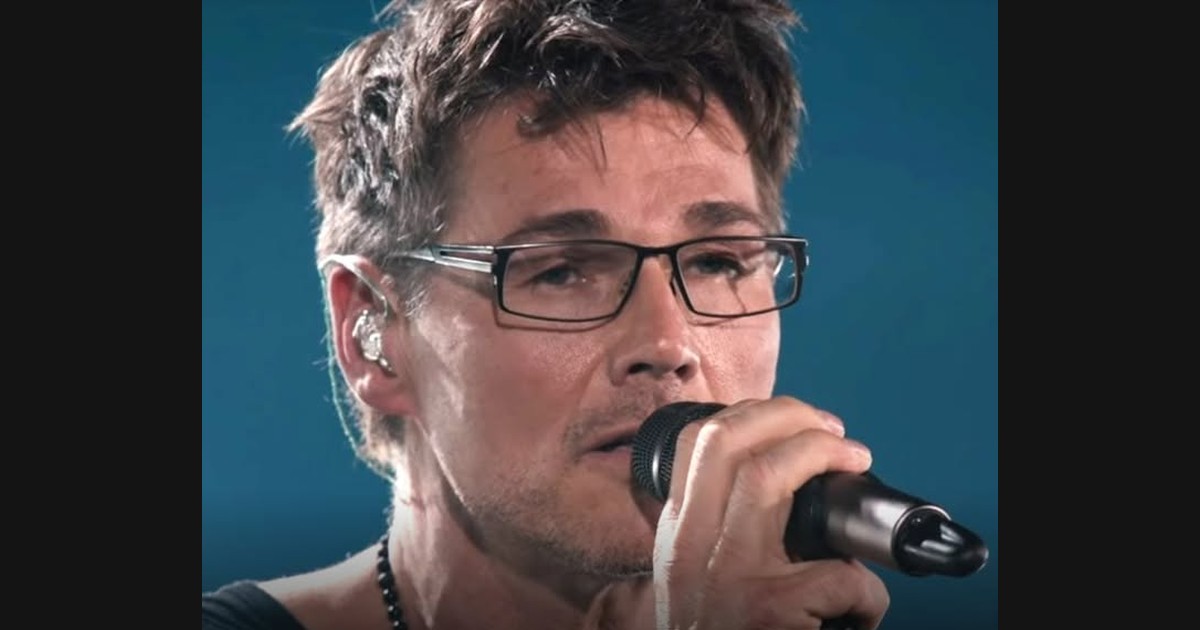
a-ha’s MTV Unplugged “Take On Me” is often encountered as a standalone interpretation. Its fuller context is Summer Solstice, a 2017 project built around acoustic treatments of the band’s repertoire alongside other selections. Hearing it as one part of that program changes the scale of the comparison.
The band and its label identify two June 2017 concerts on the Norwegian island of Giske, followed by the October album release. The performance occasion and the release date describe different stages of the project. A later upload is another stage of presentation, not automatically another concert.
The edit points toward a larger sequence
The principal Topic-channel item explicitly labels “Take On Me” as an MTV Unplugged edit. That identifies a particular release presentation. It should not be assumed to contain every part of the concert or to reproduce the surrounding album sequence.
Watch on YouTube ↗
An edit can be useful as an introduction because it concentrates attention on a familiar title. The larger project asks another question: how can a band organize several songs under a new performing framework? That is broader than changing one recognizable hit.
Familiar material can serve a new album purpose
The official Summer Solstice account describes the acoustic work as a distinct project for the group. It includes familiar repertoire, less frequently performed material, new songs, and guest participation. Those different ingredients create an album identity rather than a collection of unrelated alternate takes.
This is a helpful distinction between a song and a program. A song retains its own melodic and structural identity. A program creates relationships between selections through order, instrumentation, and the experience of hearing them together.
| Scale | Useful question |
|---|---|
| One phrase | How does the voice relate to its accompaniment? |
| “Take On Me” | How does the familiar composition work within this treatment? |
| Summer Solstice | How does the acoustic framework connect different repertoire? |
The subtitled upload changes access, not the project’s identity
The second clip is a third-party presentation labeled with MTV Unplugged — Summer Solstice and translation. It provides another access point to the performance, while the band and label sources remain the reference for the project’s history.
Watch on YouTube ↗
A subtitle layer can guide attention toward verbal meaning, but it does not establish a different recording session. Keep the musical document and the added presentation layer separate when describing the video.
The live-2017 label is broader
The final upload identifies a-ha performing “Take On Me” live in 2017. That title alone does not prove which Giske concert, edition, or complete program the upload represents. It is a viewing companion with a narrower documented identification.
Watch on YouTube ↗
Compare corresponding passages before deciding what differs. The presence of the same band and year is not enough to infer an identical take; a different uploaded title is not enough to infer a separate arrangement either.
Choose the next listening step by scale
If the voice-and-accompaniment relationship interests you, return to one complete passage of the edit. If the acoustic reworking interests you more broadly, move toward the documented album sequence and hear how another title fits the project.
That second route gives “Take On Me” a useful new context. It remains a familiar composition while also becoming one selection inside a band’s deliberately assembled acoustic program.


