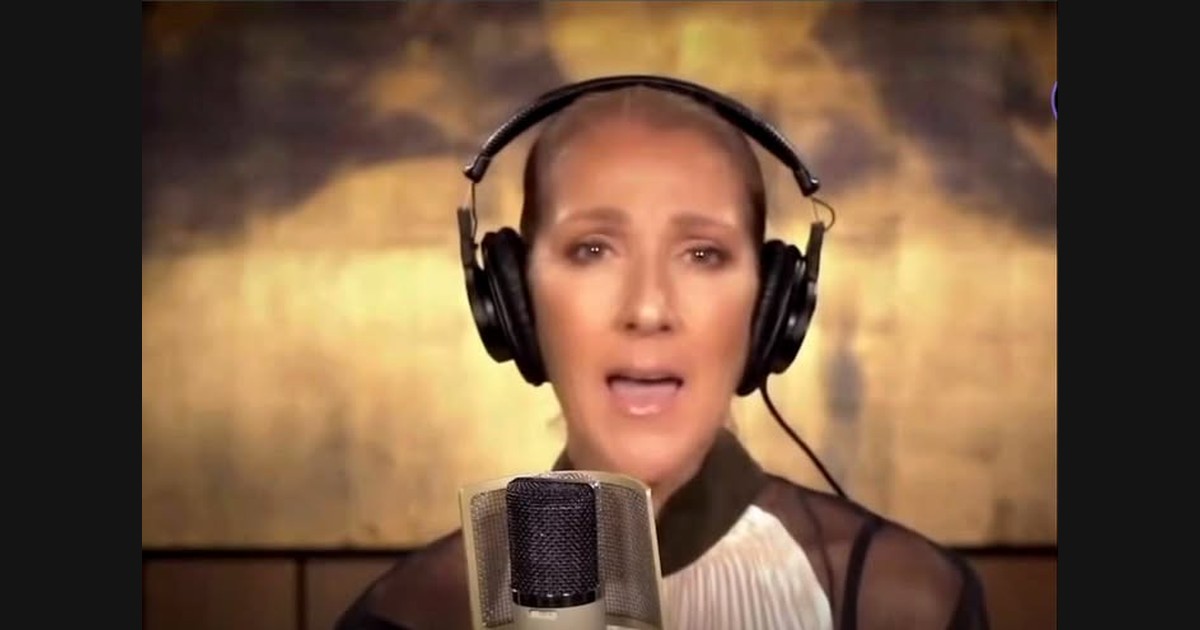
“Smile” has a history in two layers. Charles Chaplin’s instrumental theme belongs to Modern Times in 1936; the words credited to John Turner and Geoffrey Parsons were added later, with a 1954 copyright. The Nurse Heroes ensemble therefore sings a song whose familiar verbal message was not part of the film’s original instrumental soundtrack.
Nurse Heroes identifies “Smile” among its celebrity and choir performances. That public context gives the work another occasion, while its earlier history explains why melody and words should receive distinct credits.
Watch on YouTube ↗
A melody can acquire a new verbal life
An instrumental theme communicates without requiring a singer to state its meaning in words. Adding a lyric creates another layer: the melody now has to carry syllables, verbal emphasis, and the direction of a sung thought.
The later lyric does not erase the theme’s original film context. It gives the music a route into another repertoire, where the piece can be performed independently of the images through which it first appeared.
That history is useful when a song seems so familiar that its credits disappear into general memory. Chaplin’s contribution and the later lyricists’ contribution are connected, but they answer different questions about the work.
A shared address can fit an ensemble
In a multi-artist presentation, a composition can provide continuity while the featured voice changes. A returning melodic idea makes the work recognizable beyond any one singer’s particular sound.
Follow one complete thought across the ensemble’s contributions. Consider what allows the song to remain coherent when attention moves from one participant to another. A shared return can gather several individual statements into a larger musical impression.
The benefit setting should remain distinct from a medical claim about the song. The performance can express solidarity or recognition without establishing that listening produces a particular health outcome. Its cultural and musical purpose is substantial on its own.
A smaller vocal partnership
Bocelli and Céline Dion’s official “The Prayer” from Central Park in 2011 changes the composition and concentrates the featured vocal partnership. It gives another way to follow continuity between recognizable singers.
Watch on YouTube ↗
Compare how a musical statement is introduced, handed onward, or shared. The presence of familiar names can connect the selections, while each work organizes the partnership differently.
Also keep the occasions separate. A Central Park performance is not another segment of the Nurse Heroes event merely because some of the artists recur.
Another route to the ensemble recording
The final selection is another upload identified with the Nurse Heroes “Smile” performance. Its appearance through a different channel does not by itself establish a second recording session or a new arrangement.
Watch on YouTube ↗
Use the additional route to revisit a passage rather than invent a history of alternate takes from the title alone. A familiar performance can circulate in more than one presentation.
The work’s layered origin remains the strongest context for the set. An instrumental film theme gained words, entered a vocal repertoire, and became available for a later ensemble occasion. Hearing those stages distinctly allows both the composition’s history and the present performers’ contributions to stay in view.


