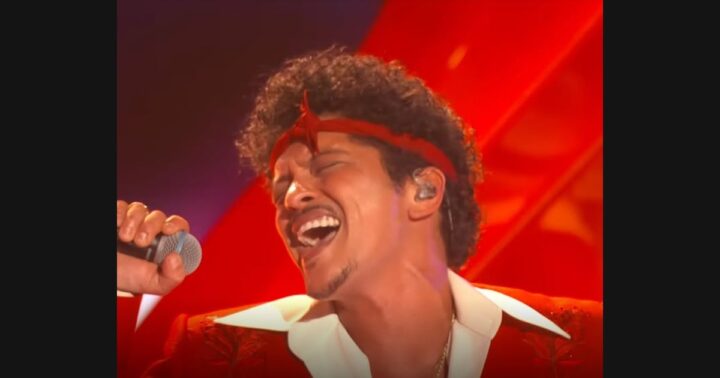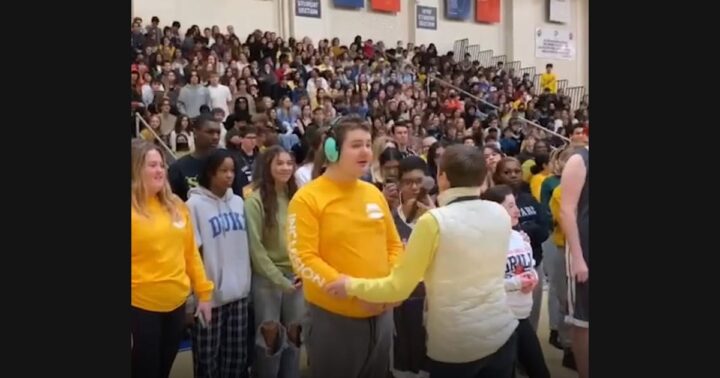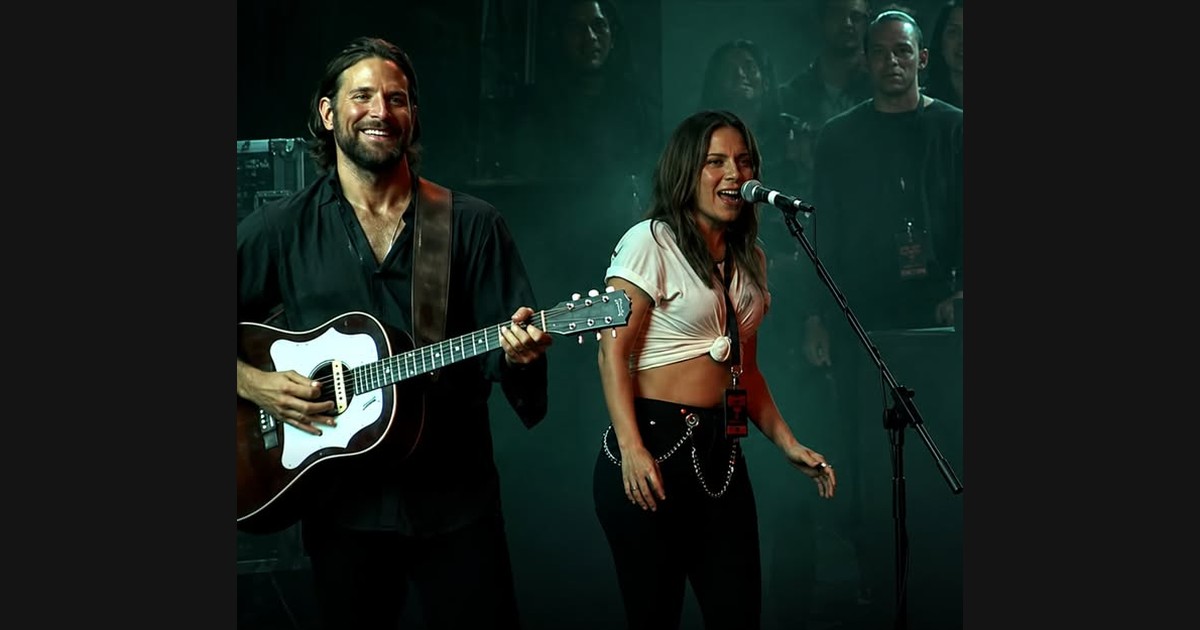
The first upload is labeled “Shallow (alternative editing)” by Matthieu Jacobs. That gives it an editorial identity before it supplies any additional claim about the underlying performance. A different cut can change what a viewer attends to without establishing a new recording session or an official alternate release.
The companion videos make that distinction worth pursuing: one is explicitly credited as Lady Gaga and Bradley Cooper live from the Oscars, while the other is the official music video associated with A Star Is Born.
Watch on YouTube ↗
Editing changes the route through material
A selection can bring an entrance sooner, hold attention on a performer, or remove surrounding material. Those possibilities describe editorial work. They should not be converted into claims about a new vocal take unless the release supplies evidence for that.
For a concrete comparison, identify where a sung passage begins in each relevant presentation. Then ask what the viewer has seen and heard immediately before it. An entrance can feel different because its preparation has been shortened, not because the singer necessarily performed it differently.
This also explains why a concentrated highlight cannot fully represent a longer sequence. The selected passage may preserve a musical event while changing the proportions through which a viewer encounters it.
Do not let the word “alternative” supply missing facts
The label alone does not establish that the uploader has unpublished studio material, a new camera source, or authorization as an official release. It identifies the presentation as an alternative edit. Use that limited description rather than importing details from a similarly titled video elsewhere.
This is particularly important with widely circulated songs. Several uploads can contain “alternative,” “different takes,” or “behind the scenes” in their titles while presenting different material. A caption should remain attached to the exact item it describes.
The Oscars release identifies an occasion
Watch on YouTube ↗
The official Gaga–Cooper release explicitly identifies the Oscars performance. The Academy dates the 91st ceremony to February 24, 2019, and records “Shallow” as that year’s Original Song winner for A Star Is Born.
That event identification is different from the first upload’s editing label. A performance at an awards ceremony and a scene associated with a film do not become the same event simply because the same actors and song are involved.
The official music video supplies a film-related frame
Watch on YouTube ↗
The final release identifies itself as the official “Shallow” music video from A Star Is Born. Keep its screen presentation separate from the real-world occasion of the Oscars duet.
Also distinguish the performers from the characters connected with the film. A staged musical relationship is not evidence of a private relationship between the actors. The song and presentation can be discussed without making that leap.
A clear comparison has three fields
Write down the exact release label, the performance or screen context it actually establishes, and one editorial feature you can identify. If a context is uncertain, leave it uncertain. This method gives the alternative edit a specific role while protecting the official concert and film-related releases from being blended into an invented single source.