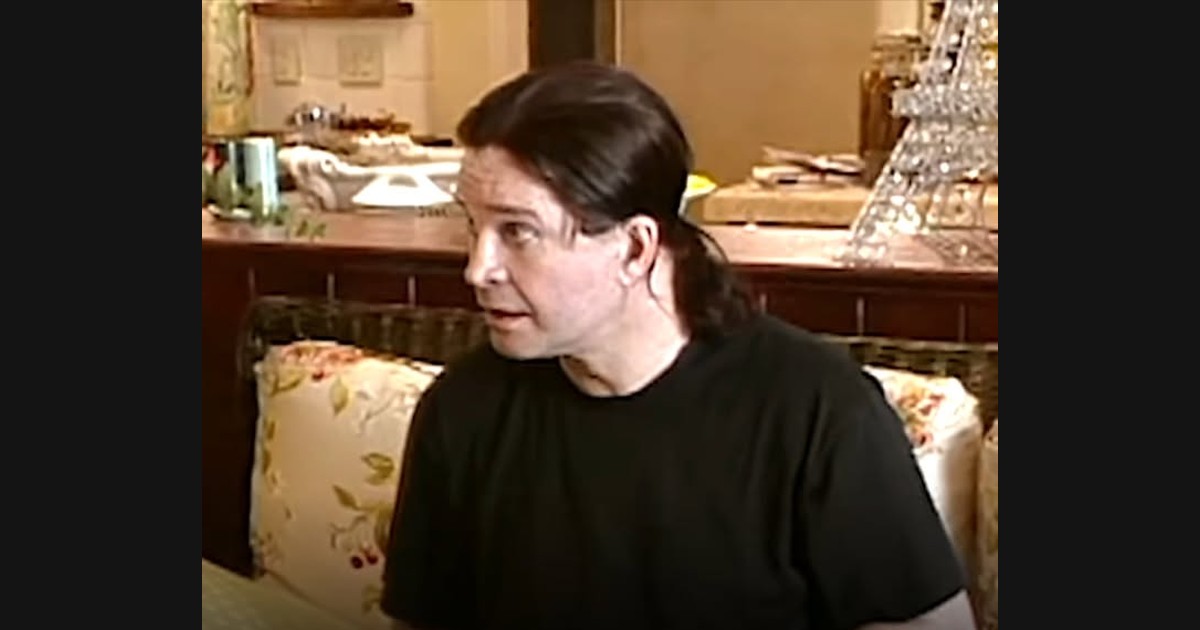
A remote control asks for a very different kind of mastery from a concert stage. The Osbournes uses that contrast as a source of television comedy: a familiar public performer meets an ordinary domestic problem, and the audience follows a small sequence of intention, interruption and response.
Osbourne’s official timeline dates the program’s beginning to March 2002 and identifies Ozzy, Sharon, Kelly and Jack as its central family. The current official channel presents compilations and episodes from that television material. These are edited public releases, not an unrestricted view of every part of the family’s private life.
Watch on YouTube ↗
An ordinary goal makes a scene readable
A small domestic scene can establish its purpose quickly. Someone wants an object to work, an answer to become clear or an interruption to end. The audience understands the goal without needing the machinery of a fictional adventure.
The obstacle then supplies movement. A device behaves unexpectedly, a reply changes the situation or another person enters the exchange. The scene can become comic because the difficulty seems disproportionate to the simple thing someone wanted to accomplish.
Recognition works in two directions
A viewer may recognize Osbourne as a musician and also recognize the ordinary frustration being presented. Those references can coexist. The contrast between public reputation and everyday task gives the scene a particular frame without requiring a claim that it reveals a person’s entire true character.
That is also why a reaction should remain a television moment rather than evidence for a medical or cognitive diagnosis. A selected exchange can be funny in context; it does not provide the information needed for conclusions about someone’s health.
The remote-control clip keeps one problem in focus
The second official upload identifies its subject directly: Osbourne and a new television remote. A single-object premise gives viewers a clearer sequence to follow than a general montage of many unrelated moments.
Watch on YouTube ↗
For a focused viewing, attend to the relationship between intention and response. What does the person appear to be trying to do, and what changes the immediate situation? The humor can come from that mismatch rather than from an elaborate verbal punchline.
This is an analysis of scene construction, not a claim that the specific exchange was scripted or that every event occurred without production involvement. The finished clip shows the material selected for the audience.
A compilation creates another kind of continuity
“Moments That Made Ozzy Laugh” collects a different set of scenes around one recurring response. The title gives separate excerpts a shared organizing idea.
Watch on YouTube ↗
A compilation can make a public figure seem consistent by selecting similar moments from a much larger body of footage. That does not make the moments false. It means their arrangement also contributes to the experience of watching them together.
The three uploads are useful when the distinction stays clear. A single scene develops one immediate problem; a compilation builds a pattern across several occasions. The Osbournes offers a different performance world from a rock concert, where familiar domestic goals and edited reactions can create a complete comic sequence from something as small as trying to use a household object.


