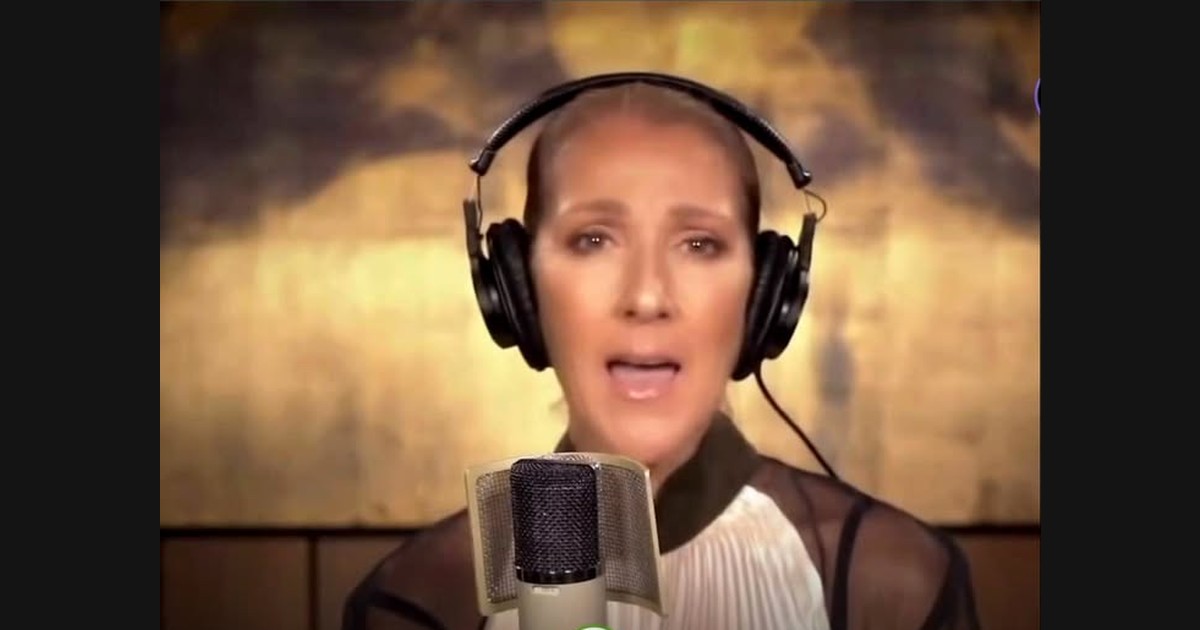
A song shared by many recognizable performers can become a sequence of introductions unless the listener follows the musical relationships between them. The Nurse Heroes “Smile” presentation offers a useful way to hear those relationships: individual voices contribute to a collective account rather than requiring a new story every time the singer changes.
The organizer’s own concert page identifies the Nurse Heroes choir with Andrea Bocelli, Celine Dion, Gloria Estefan, Stevie Wonder, and others in “Smile.” That program context establishes a shared public purpose without proving that every contribution was recorded simultaneously in one room.
Watch on YouTube ↗
A handover is not automatically a new narrator
When another voice enters, the sound changes immediately. The song’s speaking position may remain continuous. A group can share a single statement by distributing its phrases, allowing individual differences to enrich the account rather than turning each entrance into a separate fictional character.
Follow one handover and ask what connects the two sides. It might be the completion of a thought, the continuation of the accompaniment, or the return of recognizable musical material. Name the connection you can actually hear.
This prevents the most recognizable names from becoming the only organizing principle. A singer’s identity can attract attention, but the phrase’s place in the song explains what that contribution does.
Three changes worth separating
| Change | Useful distinction |
|---|---|
| Another singer | A different vocal sound need not mean a different narrative speaker. |
| Another texture | Individual and combined voices can carry different musical weight. |
| Another image | A screen transition is not automatically a new recording occasion. |
Listen once without trying to identify everyone. Notice where the music feels like an individual contribution and where it feels collective. Then watch again and consider how the images direct attention toward those relationships.
Watch on YouTube ↗
A shared presentation can be carefully assembled
The second upload returns to the Nurse Heroes material through another presentation. Treat it as a reference to the project rather than proof of a new concert. A title containing “live” does not, on its own, document the capture conditions of every element in a produced screen performance.
That distinction does not diminish the collaboration. Assembly can be part of how many contributions become one intelligible musical statement. The relevant question is how continuity is created in the finished work, not whether a viewer can invent its entire production history.
A smaller pairing clarifies the scale
Watch on YouTube ↗
The Katharine McPhee and David Foster feature provides a more concentrated performer relationship within the wider Nurse Heroes reference. Compare how attention is distributed when fewer featured names occupy the frame.
Does the song’s central thought become easier to follow through one continuing voice, or does a sequence of different voices make its collective aspect more prominent? Either can be a useful response when connected to the musical presentation.
Afterward, describe a transition without naming the singer first. Explain what the phrase needs and how the next contribution serves it. That exercise restores the song’s continuity while preserving the distinct voices that make a multi-artist collaboration recognizable.


