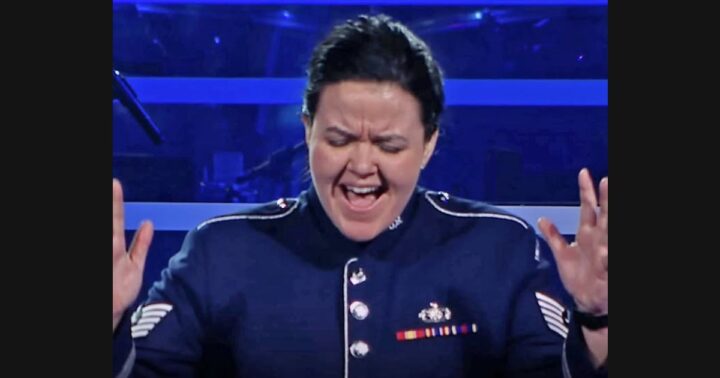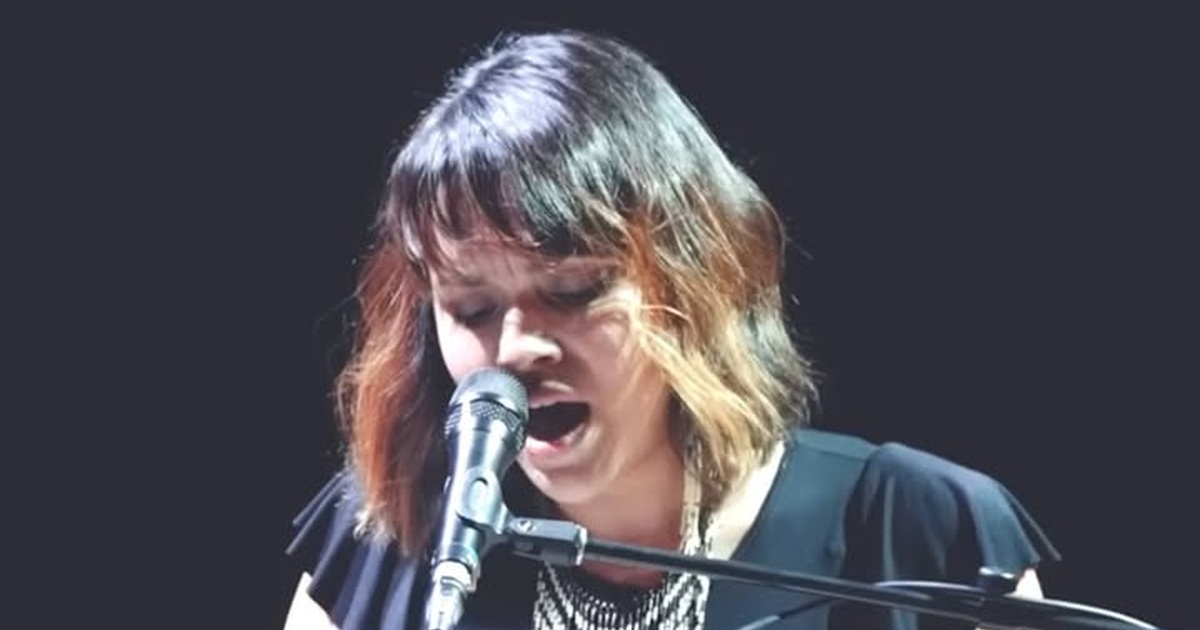
A performance can reach listeners through more than one publication without taking place more than once. Norah Jones’s Detroit Black Hole Sun makes that distinction important. Her official video identifies the Fox Theatre on May 23, 2017; the later live-album documentation gives the same date and venue for the song.
Jones’s own album announcement describes the selection as a solo-piano tribute to Chris Cornell, recorded days after his death following a performance at the same theatre. That is the documented occasion. It gives the song a memorial context without requiring an account of what every listener in the room felt.
The Detroit selection
Watch on YouTube ↗
Three dates belong to different things
| Date | What it identifies |
|---|---|
| May 23, 2017 | The documented Fox Theatre performance |
| May 26, 2017 | Publication of the official video |
| April 16, 2021 | Release of the live album ‘Til We Meet Again |
The years are not competing versions of the event’s date. One describes the concert, another the video’s publication, and the third the album release. That distinction prevents a later upload or visualizer from automatically becoming evidence of a second memorial performance.
Let the occasion frame the music without replacing it
Knowing that a selection is a tribute can change how closely you attend to it. It does not explain every phrase in advance. Begin with the relationship between voice and piano described in the artist’s documentation, then listen for how the two carry the song together.
Choose a point at which your attention shifts. What attracts it: a sung phrase, an instrumental idea, a release or the space before something returns? A memorial setting may supply the reason for choosing the composition, while those musical relationships explain how an interpretation unfolds.
Avoid requiring every quiet passage to signify grief or every increase in activity to signify release. Those can be personal responses, but the more precise account identifies the musical event behind the description. It leaves room for the song to be performed as music as well as understood through its occasion.
The album presentation is another way into the record
The second clip is the official live visualizer. Jones’s 2021 album credits identify the Black Hole Sun track with the 2017 Detroit performance, so this is best approached through publication format rather than a claim that she returned for a later tribute.
Compare how your attention behaves when the presentation changes. Does the visual context direct you toward the performer, while the other format makes it easier to follow the musical line? Describe the difference in your own listening. Do not assume that two presentations have identical edits or a different concert history solely because their images differ.
Watch on YouTube ↗
Move from interpretation to her own repertoire
The Apple Music Studios selection of Come Away With Me supplies a different comparison. Now both the composition and performance setting change. Keep one relationship in view, such as how a vocal line settles within its accompaniment, rather than expecting another song to reproduce the Detroit tribute’s context.
What appears consistent in the way the singer organizes a phrase? What seems specific to the piece? Those two observations let you discuss an interpreter’s musical identity without treating every selection as the same emotional statement.
Watch on YouTube ↗
The Detroit recording’s history is specific: a tribute performed in 2017, published in one video and later documented within a live album. Its musical interest can remain equally specific. A familiar composition passes into another artist’s repertoire, and the relationship between its sung and instrumental parts gives you something concrete to follow beyond the memorial label.