A translated song changes more than the words printed beneath a melody. Language brings its own patterns of emphasis, phrase length and sound. Ndlovu Youth Choir’s official isiZulu version of Bohemian Rhapsody places that relationship at the center of a familiar composition: recognition and a distinct linguistic identity can belong to the same performance.
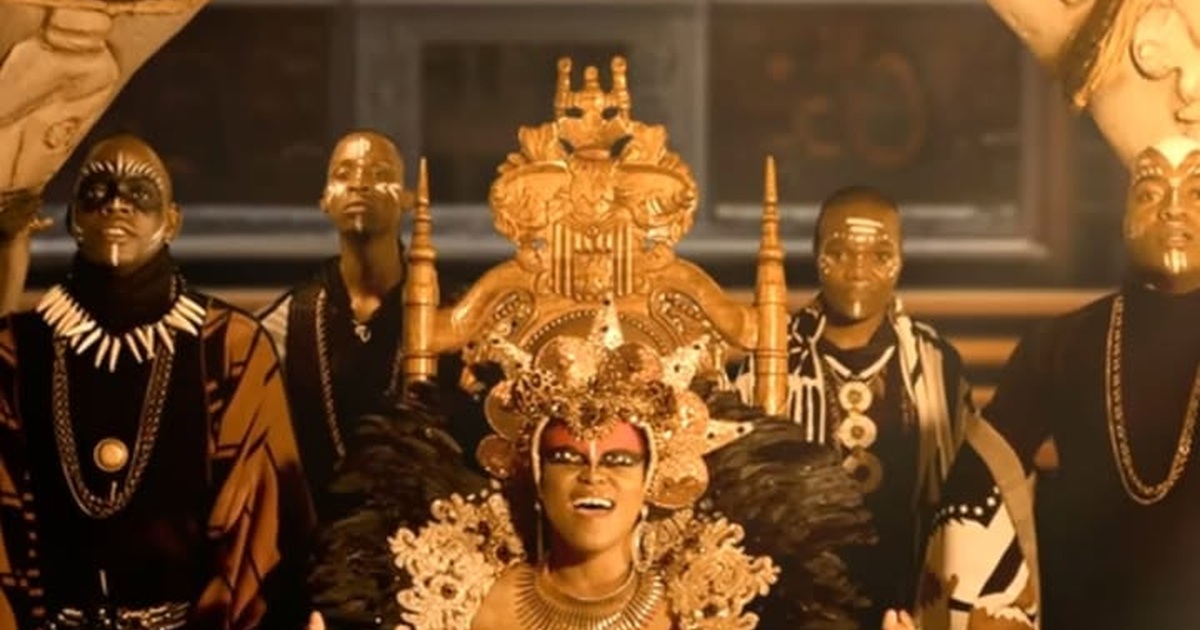
The main selection is explicitly presented by the choir as an official music video. It should be considered in that form, rather than assigned the date or setting of a different live appearance. The ensemble’s later collaboration with Queen musicians provides context for its wider work, but does not turn every Ndlovu video into footage of that later event.
The official isiZulu adaptation
Watch on YouTube ↗
Recognition is not the same as understanding the words
If you do not speak isiZulu, you can still recognize melodic material and follow large changes of section. That is a meaningful part of listening, but it is different from knowing how each line has been translated. Keep those kinds of understanding distinct.
Begin by following where phrases divide. Do musical and verbal boundaries seem to coincide, or does a line continue across a change you expected? Listen to the pattern of syllables and the relationship between a foreground voice and surrounding parts. These are audible relationships you can describe without pretending to provide a translation.
If you use captions or a published translation, compare one line at a time rather than assuming your memory of the English recording explains every choice. A translated performance can preserve a broad dramatic progression while solving local musical problems in its own way.
The choir is an interpreter, not only a new surface
An ensemble can make decisions about who carries a line, how parts overlap and what connects contrasting sections. Those decisions remain important even when the first feature a listener notices is the language. Try naming one musical relationship before returning to the question of translation.
For example, focus on a change of section. What helps you accept the new material as part of the same larger piece? It might be a continuing vocal identity, a repeated idea or a deliberately clear break. Describe the connection you find, rather than assuming the arrangement must imitate every detail of Queen’s recording.
The choir’s connection with Queen extends beyond this cover. Queen’s official site documented Ndlovu performing with Roger Taylor and Brian May in London in September 2026. That later collaboration is a separate chapter, useful evidence of an ongoing musical relationship rather than a date to attach to the main music video.
An original song changes the comparison
The second official AGT selection identifies We Will Rise as an original song in the 2023 All-Stars program. It gives you a chance to hear the ensemble without making a remembered Queen arrangement your main point of reference.
What seems characteristic of the group across the two pieces? Look for a describable relationship between parts, not just a general label such as energetic. Then identify something the original song asks the choir to do differently. Artistic identity can accommodate a change of repertoire.
Watch on YouTube ↗
Queen in a different performance format
The last selection combines Bohemian Rhapsody and Radio Ga Ga in Queen’s Live Aid material, officially identified as Wembley Stadium on July 13, 1985. It is a different program format, so a comparison of overall length would not tell the whole story.
Watch on YouTube ↗
Instead, compare a recognizable musical idea and its role within each presentation. The band’s concert selection and the choir’s official video solve different performance problems. Hearing that distinction allows the isiZulu adaptation to be assessed as an interpretation with its own choices, while leaving the composition’s recognizable framework in view.