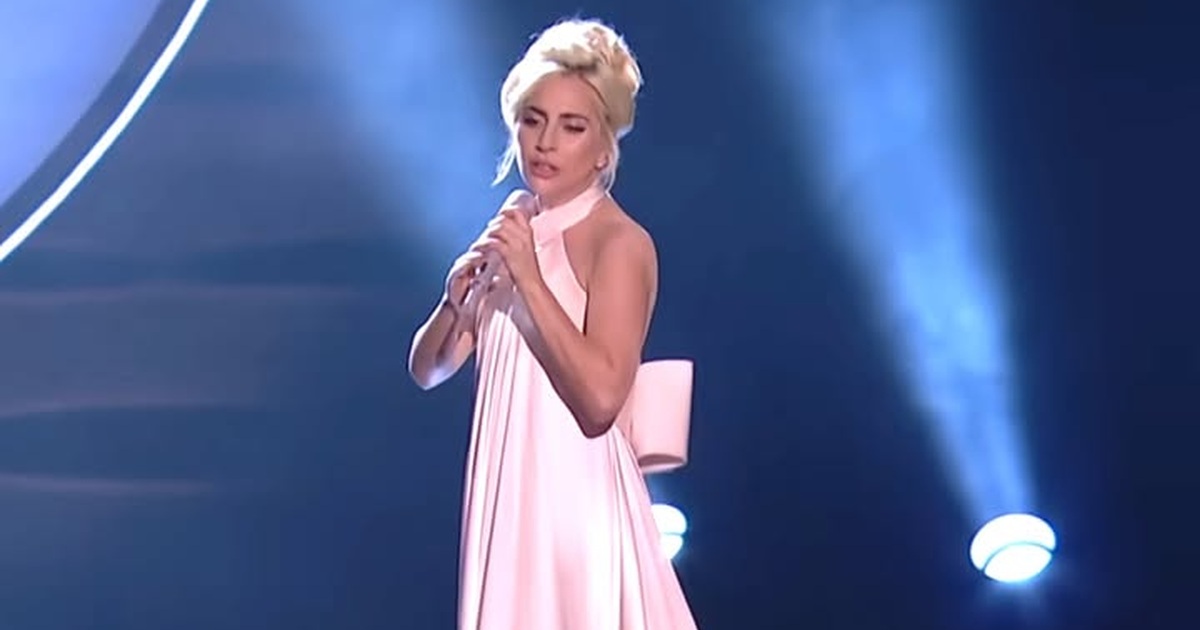
The same song can occupy very different places in a television program. A variety gala offers one kind of surrounding bill, a weekly comedy broadcast another, and a stadium halftime show another again. Lady Gaga’s three Million Reasons clips make the composition a constant while its public setting changes.
The main recording is identified as the Royal Variety Performance. The charity’s archive places Gaga in its 2016 show at London’s Eventim Apollo, Hammersmith. The related uploads identify Saturday Night Live and Super Bowl LI. These labels supply the comparison’s starting points, rather than a reason to assume how any audience responded.
Watch on YouTube ↗
A selection has boundaries
Begin with what this particular video includes: an opening, a musical sequence and an ending. Those boundaries determine the experience available to the viewer. A song excerpt can communicate a memorable moment while leaving out the transition that prepared it. A complete selection can show that transition without supplying the entire evening around it.
For the Royal Variety clip, follow the route from the beginning of the selection to its first clearly established section. Describe how the song becomes legible as the item you are watching. Keep that observation attached to the upload, rather than inferring where a viewer first encountered it in the original broadcast.
Separate arrangement from programming
An arrangement concerns what the musicians do with the composition. Programming concerns where that item sits among other material. A change in the latter can alter expectations before a note is heard. The variety-show context invites a comparison across acts; a recurring television program brings an established format; a halftime show belongs inside a sports event.
Neither category automatically determines scale or intensity. A ballad can occupy a large venue, and a small television frame can contain a full arrangement. Listen for the actual relationship between voice and accompaniment before using the setting as a musical description.
Use SNL as a same-song comparison
The second clip keeps the title constant and changes the named program. Choose one recurring melodic idea you can locate in both selections. Compare how the passage begins, develops and leaves room for the next part. This gives you a specific musical relationship that survives the change in setting.
Watch on YouTube ↗
Record the difference in plain language: an entrance feels more exposed, a background layer is easier to follow, or a phrase connects differently to what follows. These are examples of useful note categories, not predetermined findings about either clip. Select only what the recording allows you to hear.
The halftime selection belongs to another whole
The Super Bowl LI upload identifies a performance associated with a larger halftime presentation. A detached song clip focuses attention on this part, while the larger program can give it another role. Keep that distinction visible when describing what you have watched.
Watch on YouTube ↗
Compare the beginning and ending of this selection with the other two. Do they feel like the boundaries of a self-contained song, or like a section entering and leaving a larger sequence? Your answer should concern the available video, not a reconstructed account of material outside it.
Make a comparison that travels beyond a favorite moment
Use one short record for each clip: program, musical passage selected and one observed relationship. Then write a sentence explaining which version you would revisit for that particular feature. This is more informative than announcing a universal best performance.
The three recordings can now illuminate the difference between a song, an event-specific interpretation and a television selection. Holding the composition steady makes changes easier to notice. Holding the program labels in view prevents a single isolated highlight from standing in for everything that surrounded it.