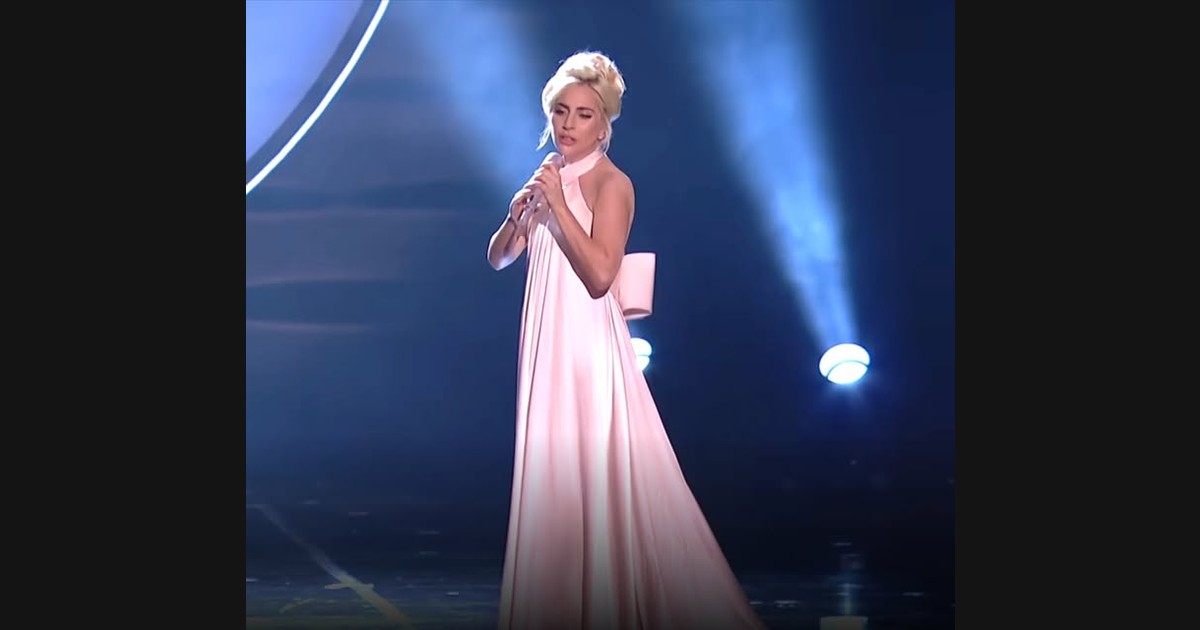
An album track and a standalone performance do not reach a listener in quite the same way. On Joanne, “Million Reasons” occupies a specific neighborhood: Gaga’s official tracklist places it seventh, after “Perfect Illusion” and before “Sinner’s Prayer.” In a Royal Variety performance, the song arrives within another program and must establish its identity without those album neighbors.
That change of context offers a fresh way to compare the available recordings. Instead of ranking emotional force, consider what information the listener brings into the song and what the performance supplies on its own.
Watch on YouTube ↗
An entrance without the previous track
When an album plays in sequence, a preceding song can affect expectations about pace, texture, and subject. A performance extracted from that sequence begins with a different kind of reset. The listener may recognize the title immediately, or may need the opening musical material to establish the song’s world.
Notice how soon you feel oriented. Does recognition come from the vocal melody, the accompaniment, or your memory of another version? This is a question about your route into the composition, not a claim that Gaga deliberately intended one response from every viewer.
A useful comparison can begin before any discussion of technique. Write down what you expected at the start, then what the song actually asked you to follow. The difference may concern pacing or the importance of a recurring idea. Familiarity with an album and familiarity with one widely circulated performance are different forms of listening experience.
Restore the album neighborhood
Joanne was released on October 21, 2016. Its published sequence lets a listener place “Million Reasons” back among other songs rather than treating one performance as the whole project. The tracklist establishes an order, though it does not prove that every transition has a single hidden narrative explanation.
If you have the album available, hear the end of “Perfect Illusion,” all of “Million Reasons,” and the beginning of “Sinner’s Prayer” in sequence. Describe a change you notice without assigning a private story to the artist. Contrast can emerge through sound and pacing even when the songs are not chapters in a literal autobiography.
Watch on YouTube ↗
The Nashville presentation adds another frame
The official Dive Bar Tour upload supplies a separate performance context. Universal’s contemporary announcement places the Nashville appearance on October 5, before the album’s release later that month. That chronology matters: presenting new material before an album arrives is different from revisiting an established album track afterward.
Compare how the song establishes itself in this setting with the Royal Variety selection. Focus on its beginning and conclusion, the points where a standalone number has to enter and leave a larger event. Avoid assuming that the size or reputation of a venue determines the sincerity of a performance.
Watch on YouTube ↗
The additional Royal Variety recording returns to the same identified program context. It should not be counted automatically as a third occasion simply because it has another uploader. Instead, it can help clarify how a broadcast presents the song.
The central distinction remains useful beyond Gaga: an album gives a track neighbors, while a standalone performance gives it an occasion. Hearing both can expand an understanding of the same composition without demanding that either format replace the other.


