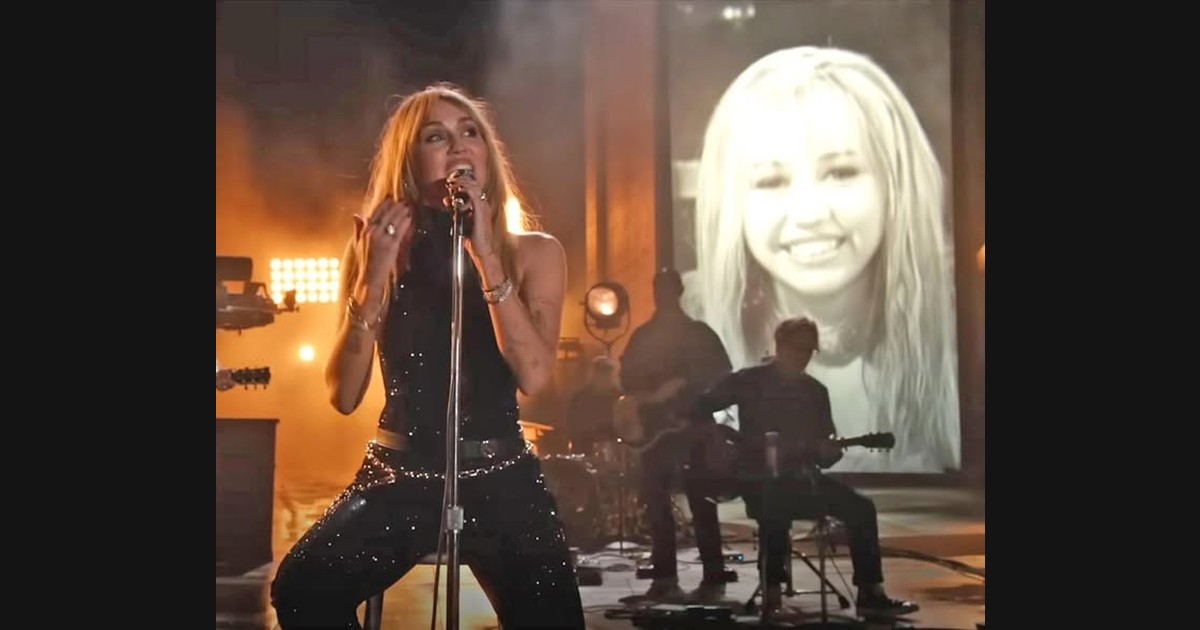
A retrospective performance can place several identities in the same frame. “Younger You” is credited to Miley Cyrus and connected with the Hannah Montana 20th Anniversary Special. That association makes it useful to separate the present performer, a television character, and the voice speaking within a song.
Disney announced the special for March 24, 2026, twenty years after the series’ Disney Channel debut. The company described a retrospective including an interview, archival material, and recreated sets. This gives the song a specific public anniversary context without making every line a literal biographical statement.
Watch on YouTube ↗
A song’s speaker is an artistic device
“Younger You” imagines an address across different stages of a life. That device can invite listeners to consider continuity and change, but it is not the same thing as an independently verified interview answer about the performer’s private experience.
Keeping “the song’s speaker” available makes a discussion more precise. It allows an account of how an imagined younger perspective addresses a later self without claiming access to Cyrus’s memories, regrets, or personal relationships.
For example, “the song asks the listener to look back” describes a broad narrative function. “The singer is confessing one specific private event” adds a claim the released performance alone may not establish. The first can explain the piece without requiring the second.
The anniversary provides a frame
An anniversary presentation deliberately places earlier material beside a present-day appearance. Old sets, archived images, and familiar songs can make that relationship visible. A viewer may recognize a television world while seeing the performer at another stage of her career.
That is different from pretending the character has simply continued living outside the show. A fictional identity, the person who performed it, and a later retrospective are connected but remain distinguishable.
| Identity | What it identifies |
|---|---|
| Miley Cyrus | The performer credited on Younger You |
| Hannah Montana | The fictional performance identity connected with the series |
| The song’s speaker | A voice constructed within this particular composition |
“The Climb” supplies another Miley Cyrus credit
Watch on YouTube ↗
The official “The Climb” video keeps Cyrus’s name as the artist reference while changing the song. Compare how each composition presents a broad idea of moving through life, rather than treating both songs as chapters in a fully documented private diary.
The comparison can stay musical as well as narrative. Choose an opening and a returning section, and consider how a repeated idea acquires emphasis. Do not require both songs to make the same statement simply because the performer continues.
Return to the character’s repertoire
Watch on YouTube ↗
“The Best of Both Worlds” is presented under the Hannah Montana name. That change of artist label is useful evidence of the character frame, rather than a reason to erase Cyrus’s role in performing it.
The sequence works best when these identities stay visible. It moves from a new anniversary-linked song to another Cyrus release and then to familiar character repertoire. A retrospective can acknowledge connections among them without turning every song into autobiography or confusing the television role with the person revisiting it.