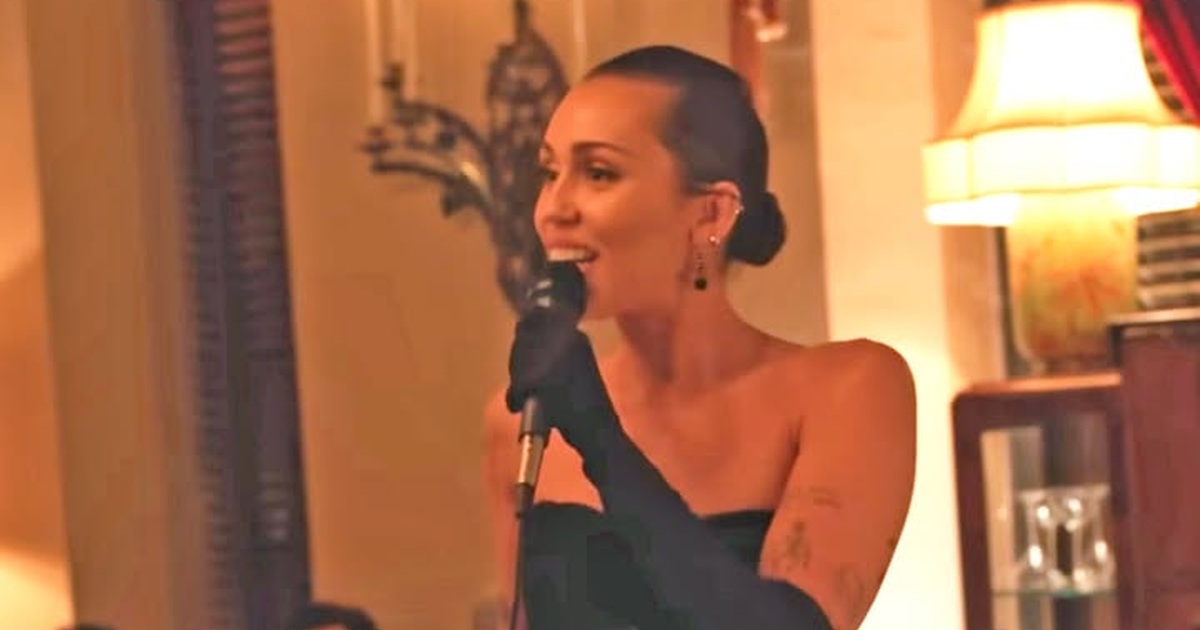
A familiar hit can seem inseparable from the recording through which listeners first encountered it. Miley Cyrus’ Flowers is useful for separating those layers. The selection labeled from Chateau Marmont and the official music video present the same song through different frames, allowing composition and particular performance to remain distinct.
The Recording Academy’s 2024 coverage identifies Flowers as the winner of Record of the Year and Best Pop Solo Performance. Those categories concern a particular released recording and performance. A later rendition can continue the song’s life without becoming the same recording simply because its melody and title are familiar.
The Chateau Marmont selection
Watch on YouTube ↗
Begin with the material that makes the song recognizable. A melody, a recurring verbal idea and the relationships between sections can survive changes in accompaniment or presentation. Their continuity gives the listener a way to follow a different version.
A performance does not need to rewrite those elements to become interpretively specific. The shape of a phrase, the emphasis within it and the support around it can all influence how the same composition unfolds.
Three layers worth naming
| Layer | What it describes |
|---|---|
| Composition | The song’s underlying musical and verbal material. |
| Recording | A particular captured and produced presentation. |
| Performance | A specific delivery of the material in an occasion or release. |
The layers can overlap, but their dates and credits need not be identical. A new video does not automatically announce a newly written song. A live selection can use familiar material while creating another performance of it.
This vocabulary is useful because the word original can be ambiguous. It may mean a composition’s first release, the recording a listener knows best or an artist’s own material rather than a cover. Naming the layer removes the confusion.
The official video supplies the recording reference
Watch on YouTube ↗
Compare one complete musical sentence across the two selections. Include its approach and ending, not only the most recognizable word or note. Notice what maintains movement when the featured voice leaves space.
The music video also contributes images whose job differs from the sound’s. A visual scene can interpret the song without proving that its narrative literally documents the performer’s private life. The song remains available as a crafted public work.
A useful comparison therefore identifies an audible relationship or a presentation choice. It does not need to reconstruct an unverified recording session or explain a private event behind every line.
The festival organizer places the related cover in its September 2020 program, a separate occasion from the Flowers recording and the Chateau Marmont presentation.
A cover makes the distinction visible in another way
Watch on YouTube ↗
Cyrus’ Heart of Glass performance changes the composition to Blondie’s repertoire. The same artist now supplies a different relationship to authorship: a recognizable voice presents material associated with another act.
Placed beside Flowers, the cover shows why a singer’s identity is not the whole identity of a song. Composition, recording and performance each contribute something. The Chateau Marmont selection can then be approached as another presentation of familiar material, with its own choices to explore rather than a requirement to repeat a well-known recording exactly.


