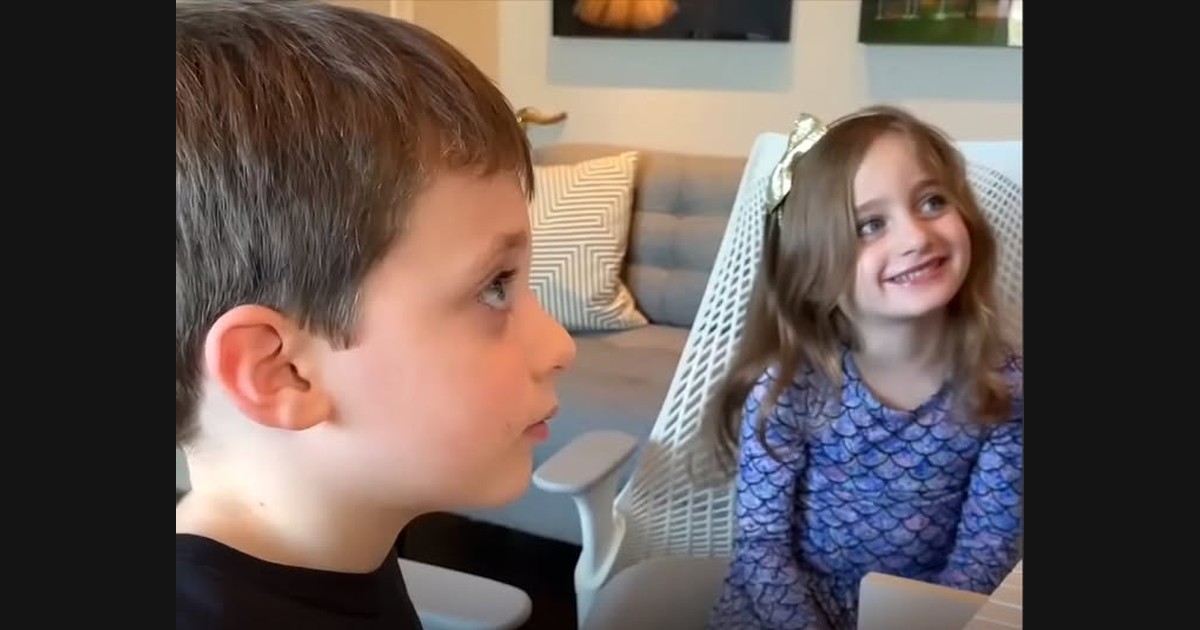
A sound does not have to begin as a musical instrument to acquire a musical function. Miles Bonham’s production video uses that idea as its premise: an unexpected, playful sound becomes material for making a song. The useful question is less “How unusual was the starting noise?” than “What job can that sound do once it enters a repeating musical structure?”
The creator’s presentation can be enjoyed as a demonstration without treating an edited video as a complete record of every attempt, decision, or piece of assistance. What it offers is a compact route into understanding sampling: taking recorded material and giving it a new context.
Watch on YouTube ↗
Separate the source from the role
Imagine recording a short tap on a cardboard box. In its original context, it identifies an action and an object. Repeated at regular intervals, the same recording might become a pulse. Placed between stronger beats, it might act as a rhythmic accent. Lengthened or played at another pitch, it could become something less immediately recognizable.
Those are possible production choices, not a description of unseen steps in Bonham’s session. They illustrate why recognizing the source is only the beginning of listening. A sample can remain funny or recognizable while also participating in timing, contrast, and musical form.
- Source: What does the original recording contain?
- Treatment: What might editing, repetition, or pitch change contribute?
- Placement: Where does the sound sit within the musical pattern?
- Purpose: Does it supply pulse, punctuation, texture, or a featured idea?
Repetition is a decision, not a finished arrangement
A loop repeats a selected stretch of audio. That can establish continuity, but a complete track also needs relationships between parts. An unchanged sound can feel different when another part enters, when an accompaniment disappears, or when the surrounding harmony changes. Arrangement concerns those relationships over time.
This gives a practical way to evaluate a short demonstration. Notice which decisions are actually shown, and distinguish them from the finished result presented afterward. The distance between those two views need not undermine the entertainment; it simply marks the difference between a process excerpt and a full production tutorial.
Watch on YouTube ↗
From listening to making
The second Bonham video shifts attention toward encountering a commercial recording and responding creatively. Rather than trying to verify a “first ever” reaction from the title alone, consider how reference listening works. A producer may focus on a rhythm, a sound color, or the relationship between a melody and its accompaniment.
These are different observations. “I recognize the song” concerns memory; “I can describe the recurring pattern” concerns musical organization. The second can be useful even when the source track is unfamiliar, and it does not require a claim about a child’s innate abilities or future career.
Watch on YouTube ↗
Justin Timberlake’s official “Can’t Stop the Feeling!” video supplies a finished pop reference beside the production premise. Compare the clarity of recurring sections and the roles of foreground and background material, rather than expecting the homemade sound source to reproduce a commercial recording’s entire production.
The satisfying insight is transferable: an inventive starting point becomes music through selection and relationships. The novelty attracts attention; the decisions about timing, repetition, and placement give the material something to do.


