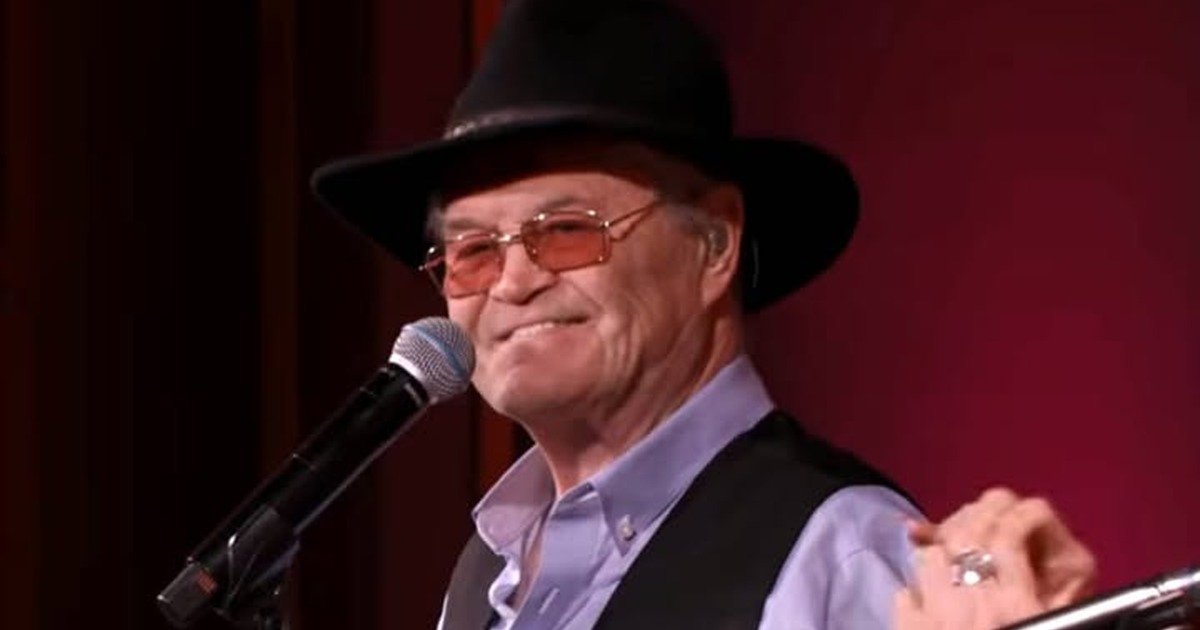
A well-known song can be both a historical reference and something musicians have to perform in the present. Micky Dolenz’s I’m a Believer at The Church Studio makes those two responsibilities visible in the credits: a familiar Monkees title is undertaken by a named singer and a current group of players.
The venue’s own publication identifies Tulsa, Oklahoma, and a May 5,2026 recording for its Legacy Concert Series. It describes a live-room audience of approximately one hundred. Those details establish a particular occasion rather than an anonymous small-room clip.
The Church Studio performance
Watch on YouTube ↗
Song, singer and band have separate histories
The studio credits Neil Diamond as the songwriter. Dolenz supplies the link with the Monkees’ performing history, while the publication also names the musicians participating in this event. A familiar title can bring all three layers together without making them the same kind of authorship.
That matters in a legacy presentation. If the song is described only as an artifact, the present musicians disappear. If the event is described only as a new show, its accumulated associations disappear. The useful account preserves the writing, the returning performer and the work of the current ensemble.
A lead voice does not make an accompaniment self-producing. Guitar, bass, drums, keyboards and supporting vocals are credited as parts of the event. Those roles help establish a shared musical frame, even when the title and singer are what initially draw a viewer.
Familiarity creates expectations rather than completing the performance
Knowing a chorus before it arrives changes the listener’s experience. Recognition makes an anticipated destination available early, but the performers still have to reach it through the rest of the piece. A hook does not eliminate the function of the material surrounding it.
This is one reason nostalgia alone is an incomplete explanation of a live rendition. Memory supplies expectations. A current performance gives those expectations a sequence, a duration and a set of people undertaking them together. The two can reinforce each other without becoming identical.
For a focused comparison, follow the route into a returning section. Notice what helps it feel prepared rather than dropped into place. That relationship is useful to consider in any of the recordings here, regardless of which one became a listener’s first reference.
A Monkees catalogue presentation
The second embedded selection is officially catalogued as a live I’m a Believer. It offers another presentation of the same composition, keeping the song constant while changing the recording being considered.
Watch on YouTube ↗
The title alone does not establish that every concert circumstance matches. Give the publication its own identity before drawing conclusions about period, personnel or venue. A useful musical comparison does not require inventing a complete chronology from a short label.
Another live reference
The third official catalogue clip is also labeled I’m a Believer live. Its place here extends the set of performances available for comparison rather than introducing another song.
Watch on YouTube ↗
Keeping the composition constant helps isolate the question of presentation. The Church Studio recording has a specific date, place and personnel; the catalogue selections provide other points of entry. The song’s continuity is the connection, while the current performers’ responsibility is to make that familiar material an event again.


