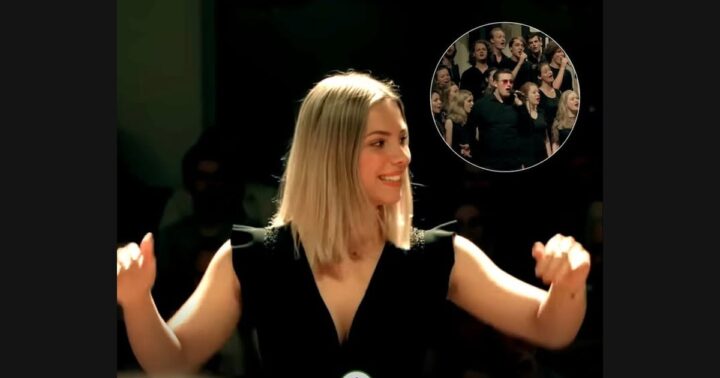
The title Michael Bublé vs. Josh Groban sounds like a contest. The uploader’s description supplies a different frame: Bublé impersonates Groban and Groban appears onstage. That is a stage-comedy premise, rather than evidence by itself of a real dispute between the singers.
The embedded upload was published in 2011, but its short description does not independently establish a complete event history. The useful subject is the relationship the publication presents: one performer suggests another’s identity, then the person being suggested becomes part of the encounter.
The impersonation encounter
Watch on YouTube ↗
An imitation changes when its subject arrives
An impersonation creates two roles even with one person onstage. There is the current performer and the recognizable identity being suggested. If the subject then participates, those roles become available for a direct exchange.
The comic premise depends on recognition. Viewers need some idea of the identity being referenced for the arrival to change the situation. Musical association supplies a shorthand that spoken explanation alone might take longer to establish.
That does not require the performers to be actual rivals. A competitive label can organize a scene while the practical work remains collaborative. One person supplies a setup; another person’s participation changes what the setup means.
Stage surprise is not a production history
An audience can experience an entrance as surprising without knowing whether it was planned. Those are different claims. The first describes how a presentation is framed; the second describes arrangements made outside the visible item.
Keeping the distinction avoids inventing backstage negotiations or an unscripted confrontation. A comic scene can be effective through preparation, improvisation or a combination, but the short upload description does not establish that whole process.
Likewise, a playful comparison cannot measure the singers’ complete abilities. A scene selects features that serve its joke. It is a different assignment from undertaking a complete song in a straightforward concert presentation.
Groban in another performance frame
The second official BBC clip presents Groban singing You Raise Me Up at Proms in Hyde Park 2018. The publisher identifies the BBC Concert Orchestra and Rock Choir as participants. This gives the singer a repertoire setting beyond being the subject of someone else’s impression.
Watch on YouTube ↗
That is an important change of role. An artist’s recognizable identity can serve a joke while the artist’s musical work remains larger than the features selected for it.
Bublé’s own concert presentation
The last official artist upload is Feeling Good from Tour Stop 148. It restores another repertoire frame for Bublé, rather than requiring the comedy scene to represent his whole performing identity.
Watch on YouTube ↗
The companions make the opening clip easier to enjoy accurately. Two singers have musical identities outside a shared comic encounter. The joke temporarily rearranges those identities through recognition and role reversal. Its premise does not need an invented feud or a verdict about who is the superior singer to have a clear theatrical shape.