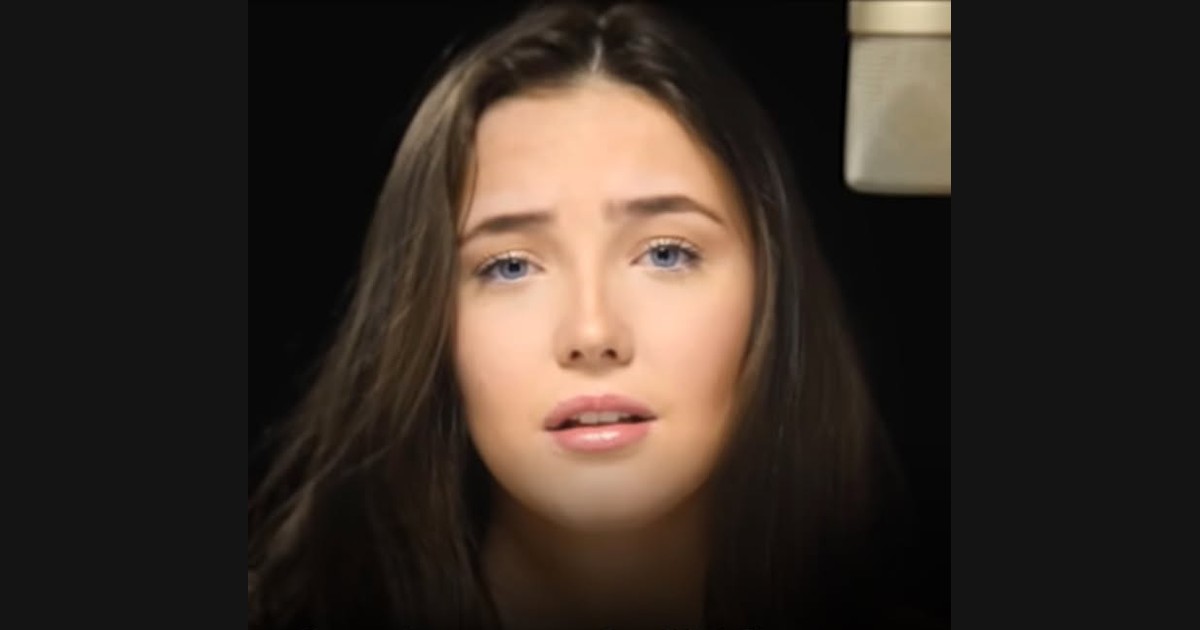
A familiar cover does not always arrive directly from the writer’s own recording. Lucy Thomas’s “Hallelujah” description names Alexandra Burke’s interpretation as an inspiration, while identifying the composition with Leonard Cohen. Those two acknowledgments describe different relationships: authorship and an influence on a later performance.
Cohen’s official catalog places “Hallelujah” on Various Positions, released in 1984. Thomas’s official album listing places her recording on Timeless. The song therefore links an earlier songwriter’s catalog with a later interpreter’s selection of repertoire.
Influence does not replace the writer
The principal video is Thomas’s official music-video presentation. It should be credited to her as a performance of Cohen’s song, rather than as a composition by whichever singer supplied the most immediate inspiration.
Watch on YouTube ↗
That distinction is useful across cover traditions. A performer may first encounter a song through a later recording, admire the way that interpreter shapes it, and then make another version. The route by which the performer meets the material can differ from the route by which the material was originally written and released.
This does not establish that the later version copies every arrangement detail from its stated influence. Inspiration can concern a vocal approach, a broad presentation, or the decision to perform the song at all. A brief acknowledgment is not a complete production history.
Keep three kinds of credit separate
| Relationship | What it identifies |
|---|---|
| Songwriter | The person credited with the composition. |
| Earlier interpreter | A performer whose version may inform another singer’s approach. |
| Present performer | The artist responsible for the interpretation being heard. |
A precise description can honor all three without turning the history into a competition over ownership of the most familiar version. An influential cover remains an interpretation; a later performance remains capable of making its own choices.
The concert version tests continuity within one singer’s repertoire
The next selection is Thomas’s official Manchester concert video. It keeps the singer and composition constant while changing the performance context. It is useful for considering which aspects of an interpretation remain recognizable when repertoire moves from a music-video release into a concert program.
Watch on YouTube ↗
Follow a complete corresponding passage rather than assuming that every detail must match. Pacing, accompaniment, and the proportions of an ending can belong to a particular arrangement or occasion. Recognizing the same singer does not prove that both presentations use the same recorded take.
Burke supplies a different point in the chain
The final clip comes from the official X Factor channel and identifies Alexandra Burke performing “Hallelujah” within the show. It connects the viewing set with the interpreter Thomas names, while preserving Burke’s own television context.
Watch on YouTube ↗
Compare how each presentation establishes and completes a phrase, but keep the occasions separate. A competition-show number and an album-associated music video have different surrounding formats. Neither label alone determines the private meaning of the song for a singer.
A cover history can branch
The important model is not a replacement ladder in which each version erases the previous one. It is a branching history: one composition can support many performances, and those performances can in turn influence later artists.
Thomas’s acknowledgment makes that process visible. Cohen remains the songwriter, Burke is a stated interpretive reference, and Thomas contributes another performance within her own recorded and concert repertoire.


