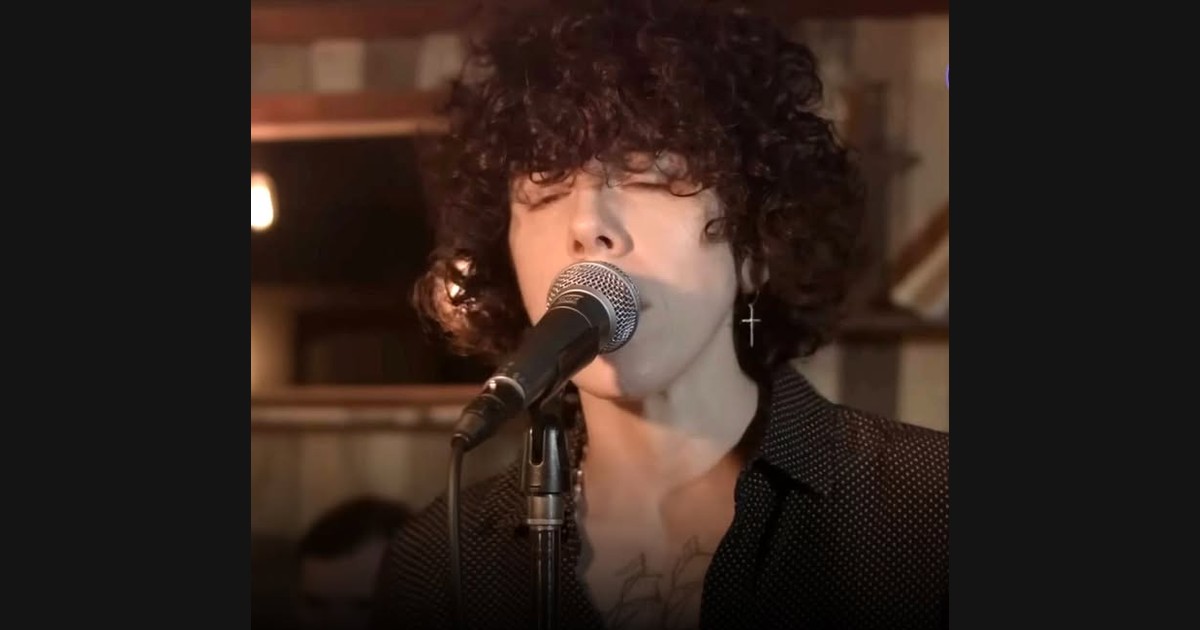
LP publishes both “Lost on You (Live)” and a selection explicitly identified with an August 1, 2020, livestream concert. The shared artist and song create a useful comparison, while the different labels tell us different amounts about the occasions.
“Live” is a broad release description. A named livestream adds an event frame: an audience was addressed through a transmitted concert. The clip later published from that event is another stage in its public life.
Watch on YouTube ↗
A short label leaves some fields open
The first artist-published “Lost on You” title identifies a live performance without supplying every event detail in the wording. It is better to leave an uncertain date or venue open than to borrow them from another LP video of the same song.
A recording can be useful without a complete production history. The song and interpreter are identified, and the music can be followed through its own sequence. What the short label cannot do is prove the absence of editing or identify a particular audience arrangement.
Keep a musical comparison controlled
Choose one returning section and follow how the lead is supported. The beginning of the section, the material beneath it, and the route into the next passage are concrete points of comparison.
For example, one rendition may direct attention toward a phrase through a concentrated texture, while another may surround it with more simultaneous activity. Determine whether that description fits the recordings rather than expecting every live version to be larger than a remembered studio reference.
The artist’s identity can remain clear while individual decisions change. Recognizability does not require every phrase or accompanying part to reproduce a previous performance exactly.
The 2020 livestream is specifically documented
Watch on YouTube ↗
LP’s own description says the August 1 concert was performed with a full band and production in Los Angeles. The fuller concert release identifies the venue as The Beehive. The artist published the excerpt in October 2020.
Those are separate details: the concert date, its place and performing resources, and the later publication. The October video date should not replace the August event date, while “livestream” should not be taken to mean a solitary person performing without a production team.
A transmitted concert can be a prepared musical event with several participants. Its online audience format does not automatically make it informal or unrehearsed.
“Into the Wild” changes the repertoire
Watch on YouTube ↗
The final artist-published live selection changes the song while retaining LP as the performer. It provides another question from the same-song comparison: which part of your description belongs to a particular composition, and which remains useful across the artist’s repertoire?
Do not transfer the livestream’s venue or date to this release merely because the playlist places them together. Each recording keeps its own public identification.
A useful three-line note
For each selection, record the song, the supplied performance label, and any event details actually established by its publisher. Then add one musical observation. This keeps source information separate from interpretation and gives the comparison a firmer basis than a general claim that all three clips capture the same kind of live moment.


