A number in a song title does not always invite arithmetic. “Million Reasons” uses numerical scale as part of a personal argument: an overwhelming quantity can be set against the weight of a single decisive consideration. That gives Lady Gaga’s ballad a dramatic premise before a listener begins assigning it to a particular event in her life.
The song is also a co-written work. Its published credits name Gaga, Mark Ronson, and Hillary Lindsey, and place it on Joanne in 2016. Keeping the writing partnership visible helps distinguish a crafted composition from the assumption that every sung statement is an unedited diary entry.
Watch on YouTube ↗
A title can organize a conflict
Large numbers can communicate accumulation, exhaustion, or exaggeration. Their role in a song is expressive rather than statistical. The listener understands a scale of feeling without needing a list that literally reaches the number in the title.
A ballad can build around such a contrast. One side of an argument gathers weight, while another remains emotionally compelling. That tension gives repeated musical material something to revisit: the same thought can return without the speaker having fully resolved it.
Repetition can be reconsideration
Repeating a phrase is not necessarily a failure to move a story forward. In a song about uncertainty, a return can show that the central problem remains active. The surrounding music and the phrase’s placement can change how the listener receives familiar material.
For a close listen, follow one return as a complete musical thought. Consider what comes before it and what remains afterward. This gives the ballad a developing argument rather than reducing it to a collection of emotionally emphatic notes.
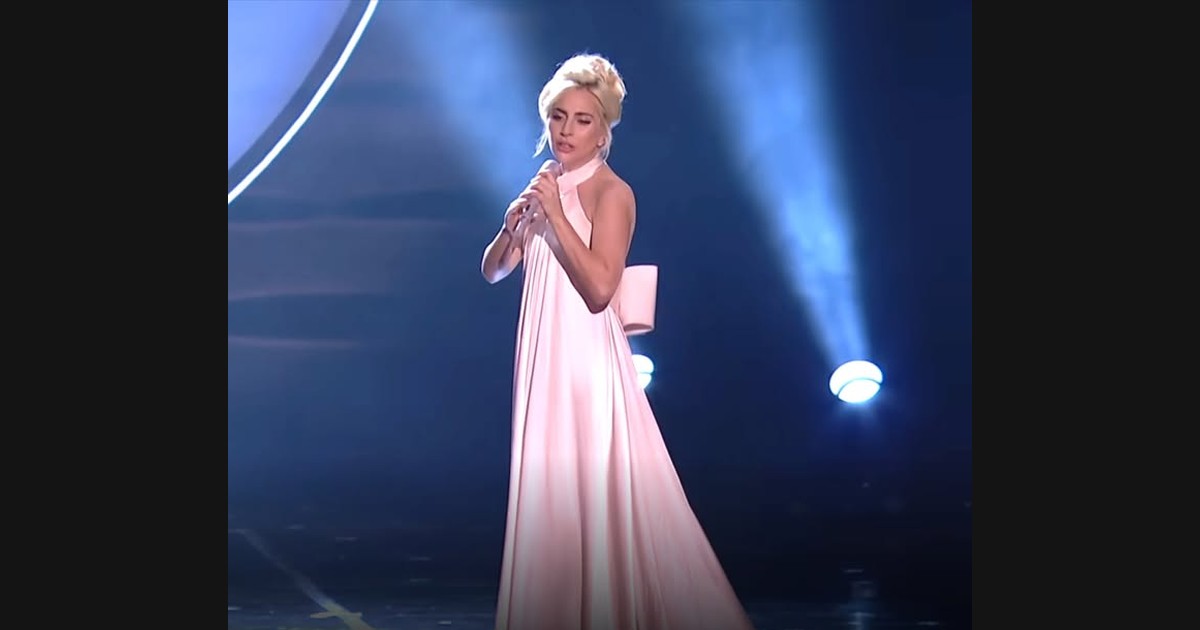
The Royal Variety performance offers one public interpretation of that composition. Its formal occasion is part of the setting, but the song’s internal conflict is a separate reason to follow it. A listener can engage with the speaker’s position without assuming that the audience has access to the writer’s private relationships.
Co-writing does not weaken a personal voice
Several writers can help a composition communicate through a recognizable featured singer. Authorship and performance are different kinds of work, and both can shape the result. A shared credit does not tell us which person contributed each undocumented detail.
That is why it is more informative to preserve the actual names than to invent a scene in which the whole song appears spontaneously. The published work gives us enough to discuss its central contrast and its interpretive possibilities.
A promise changes the address
The related “Hold My Hand” Oscars performance changes the composition’s starting premise. A direct offer of support creates a different kind of address from a speaker weighing conflicting reasons. Compare how each song establishes its relationship with a listener.
Watch on YouTube ↗
The final “I Wish” selection, identified with the Stevie Wonder tribute, provides another perspective again: a song can look back toward remembered experience rather than argue through a present decision.
Watch on YouTube ↗
These differences belong to the writing as well as to the singer. They offer a specific way to understand expressive range: not merely changes in volume or style, but changes in the kind of thought a composition asks a performer to carry. “Million Reasons” has its own clear task within that range, keeping a difficult argument alive through a recognizable ballad form.