A tribute usually names the person being honored and the artist carrying the lead vocal. The history of I Wish offers another useful credit: bassist Nathan Watts’s work in the original recording. His firsthand accounts connect the part with musical ideas developed alongside Stevie Wonder.
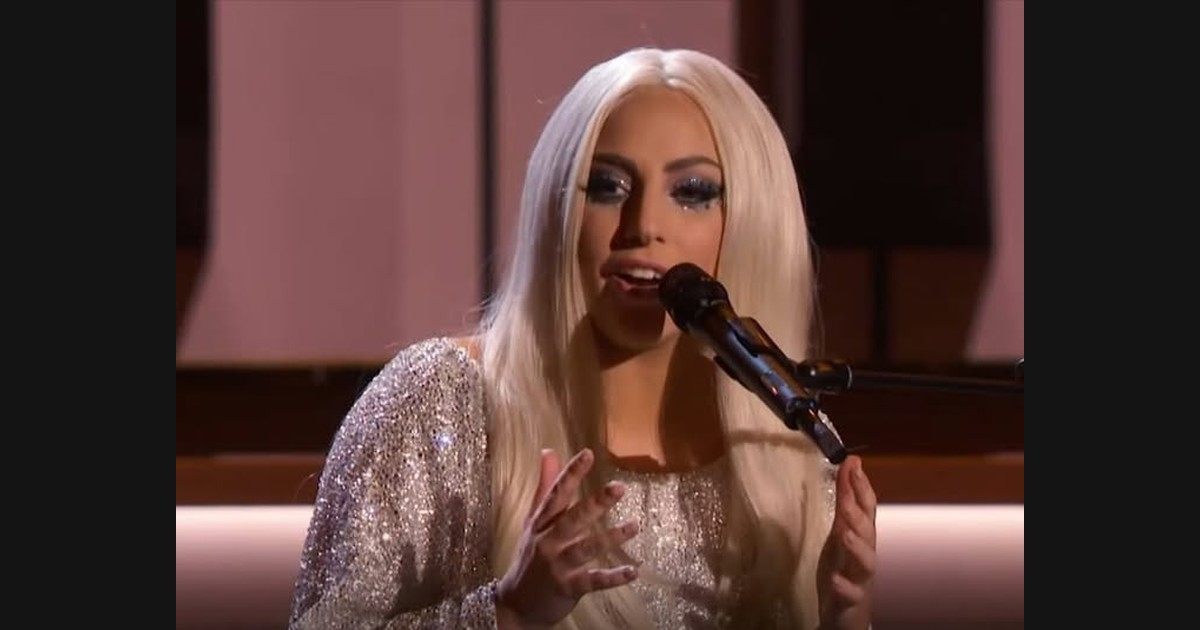
Lady Gaga’s rendition belongs to the 2015 GRAMMY salute to Wonder. The original song appears on Songs in the Key of Life. Those connections place the featured singer within a repertoire whose identity also depends on musicians and recurring instrumental material.
The salute performance
Watch on YouTube ↗
A studio idea becomes a collaborative part
In a published interview, Watts describes responding to Wonder’s keyboard idea and contributing to the resulting bass sound. KMUW’s own interview introduction separately identifies his work on I Wish. These accounts give the instrumental role a named participant rather than leaving it as an anonymous feature of a famous recording.
The distinction matters because a composer’s idea and a musician’s realization can be connected without becoming the same job. A basic musical shape supplies a starting point; the way it is undertaken gives the recorded part its particular presence.
This is not a claim that the same bassist appears in every later tribute or that every rendition copies the original part exactly. Original recording history provides context, while the personnel and choices of another event remain their own questions.
A recurring figure can carry identity
A song need not be recognizable only through its words or lead melody. An instrumental figure can supply orientation before, between or around vocal phrases. Its return allows changing material to remain connected with a stable reference.
That makes repetition an active responsibility. A continuing part can hold the musical frame while other elements change direction. The listener’s attention may move toward the singer, yet the recurring material still helps explain where the phrase belongs.
The practical comparison is between a recognizable idea and the work it does. A memorable line can be a hook, a rhythmic reference and part of the arrangement’s continuity. Those functions overlap without being identical.
A lead singer enters an existing musical history
Undertaking Wonder’s song means participating in a piece already associated with particular writing and recorded collaboration. The tribute can retain that identity while giving another singer a place within it.
This widens the account beyond celebrity recognition. A performance acknowledges a writer through material that other musicians helped make present in recorded form. The supporting history does not reduce the featured vocal; it explains more of what the vocal encounters.
Another composition at the Oscars
Gaga’s official Hold My Hand selection from the 2023 Oscars changes the repertoire and occasion. It provides another relationship between a featured singer and a composition’s surrounding musical frame.
Watch on YouTube ↗
A different live reference
The final official upload presents Million Reasons at the Royal Variety Performance. Another piece creates another set of musical responsibilities.
Watch on YouTube ↗
Returning to I Wish after those selections makes the instrumental history more useful. Wonder’s writing, Watts’s recorded contribution and Gaga’s later interpretation occupy different places. Keeping them all visible gives a tribute more substance than a lead-performer credit alone.


