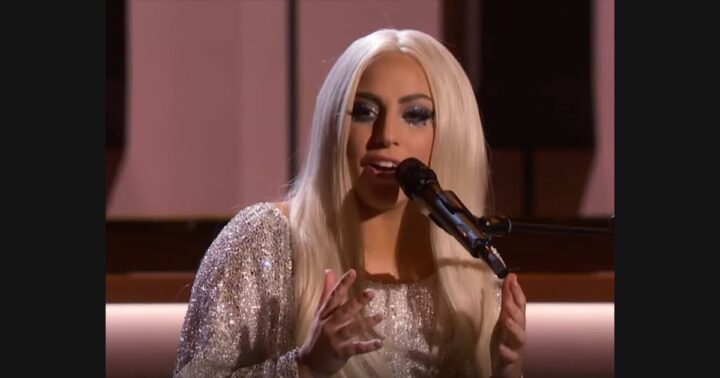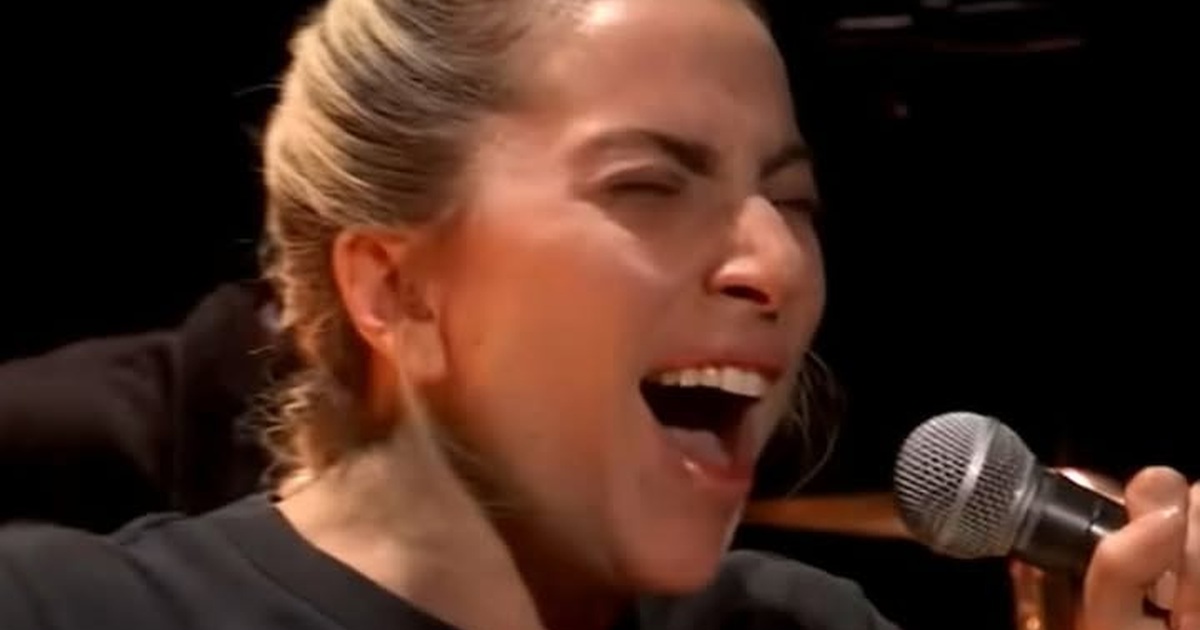
A film song can continue to address listeners after the images that first framed it have gone. Lady Gaga’s Hold My Hand at the 2023 Oscars is one such change of setting. The composition arrives with a connection to Top Gun: Maverick, then becomes an event-specific musical performance.
The Academy credits the song’s music and lyric to Gaga and BloodPop and lists it among the nominees for that year’s Original Song award. The nomination recognizes the work in its film context. The stage selection gives the audience another encounter with it, rather than replacing the film or reproducing every element of its recording.
Watch on YouTube ↗
A soundtrack association is useful background
Someone who knows the film may connect the song with characters, images or a remembered sequence. Someone who arrives through this video may begin with a voice and a title. Both encounter the composition, but they bring different starting information.
Keep those sources of meaning distinct. Describe one association you brought to the song before the clip, then one feature of the performance that you can identify independently. The exercise makes it easier to see what the music supplies and what memory adds.
The title offers an action without naming a film character
Hold My Hand names an offered gesture. A useful interpretation is that its directness gives the song a way to address a listener beyond a particular screen narrative. That is a reading of the title and its relationship to a performance, not a claim that every viewer receives the same reassurance.
Follow how a complete phrase gives direction to its address. A beginning establishes the statement; continuing notes shape its pace; a release leaves the music somewhere to go. Attach your interpretation to those audible relationships before using larger emotional labels.
The ceremony is another frame
An awards program presents a song as an item within a larger event. Its introduction, duration and placement can affect how the viewer encounters it. A detached clip offers access to that item, but it does not automatically show everything surrounding the performance.
This is why a stage video should not become an unsupported story about the room. The music may hold your attention strongly while the feelings of every attendee remain unknown. A grounded description can instead identify the relationship between voice and accompaniment, or how the chosen selection moves toward its ending.
Compare Happy Mistake on television
The accompanying upload identifies Happy Mistake at Jimmy Kimmel Live!. It changes the song and the program while keeping Gaga as the featured performer. Follow how this selection establishes its beginning and sustains a musical line through a whole section.
Watch on YouTube ↗
Compare one feature with Hold My Hand: a phrase’s entry, a background layer or the connection into a returning section. Name the change before assigning a cause. Different compositions and recorded settings give the same performer different musical work.
A third ballad, another occasion
The Royal Variety Million Reasons recording supplies another point of comparison. Its title and program identify a separate selection, with its own beginning and ending. Carry over the same narrow musical feature so that the comparison remains about something you can explain.
Watch on YouTube ↗
The three clips need not produce a ranking of honesty or emotional force. A film song, a television selection and a variety performance can each make a voice central through different arrangements and contexts.
Returning to the Oscars recording, the relationship is clearer: Hold My Hand has a documented film identity and another life as a performed song. You can appreciate what the new setting reveals while keeping the work’s authorship, original association and your own response separate. That produces a more durable account than calling a performance raw and leaving the musical choices unnamed.