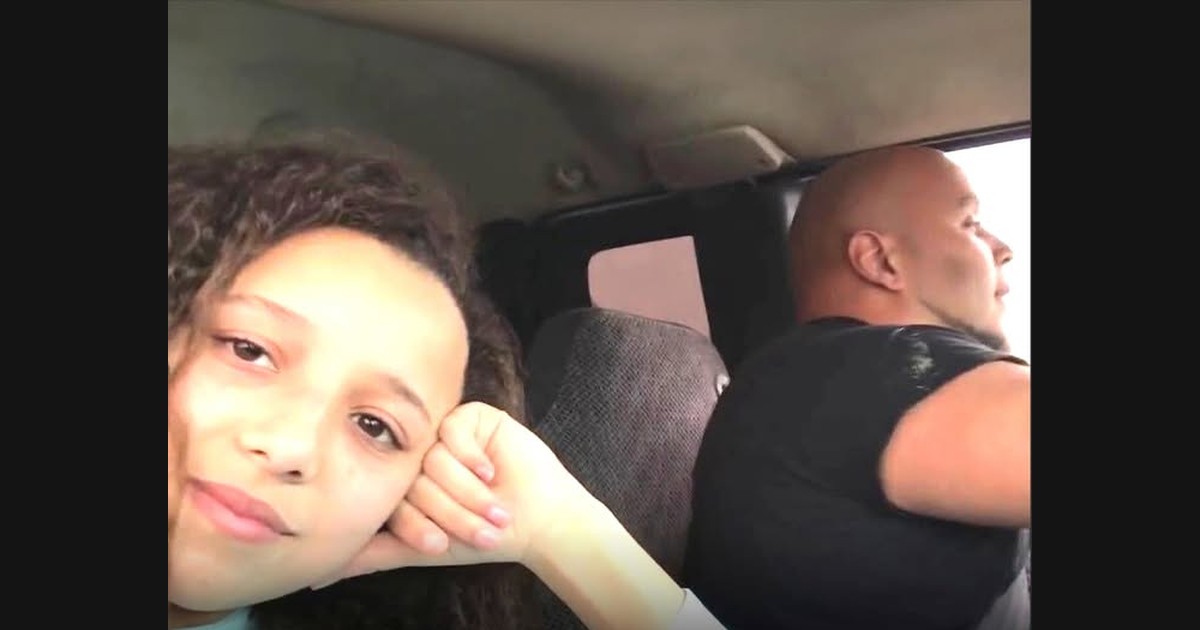
The main clip of Kris Jones singing “Tennessee Whiskey” is presented in a car setting. The companion upload from The Ellen Show identifies another Jones performance of the same song. That pairing provides a useful comparison because the singer and composition remain constant while the public presentation changes.
It is also worth keeping the songwriting credit clear. The Country Music Hall of Fame and Museum identifies Dean Dillon and Linda Hargrove as the co-writers, with well-known recorded interpretations by George Jones and Chris Stapleton. Kris Jones contributes another performance, rather than becoming the song’s author through a widely shared clip.
Watch on YouTube ↗
A casual image supplies a particular frame
A car recording can place a singer close to the camera and make surrounding visual activity limited. That can draw attention toward the voice. It does not reveal every decision about the sound, prove that the performance is a first take, or establish that nobody had prepared the song.
Start with a musical statement that the clip can support. Follow a full phrase, including the material leading into its most prominent note and the way it ends. The whole phrase offers a clearer account than selecting one high point and describing the rest through it.
The presence of a family member in a recording can also affect how viewers encounter it. That relationship does not need to become a prediction about future fame or a claim that every person watching has the same emotional response.
The television appearance changes the occasion
Watch on YouTube ↗
The show’s official upload presents Jones performing “Tennessee Whiskey” for a television program. Keep that identification attached to the second clip rather than assuming that it is another edit of the car recording.
Choose a matching passage and compare how the vocal line is framed. What musical activity supports it? What receives attention before the next phrase? Describe the released performances rather than guessing what a sound engineer did behind the scenes.
For example, a fuller accompaniment can change what is audible around a lead without requiring the singer to change the melody. A close camera view can make a phrase seem more concentrated without establishing a different vocal technique. Separate the musical difference from the visual impression.
Stapleton supplies a recording reference
Watch on YouTube ↗
Chris Stapleton’s official audio gives the comparison another interpreter while retaining the song. It is useful to identify it as a particular recording, not as the origin of the composition merely because it may be the listener’s most familiar reference.
Compare one complete section across the three items. Keep the question consistent: phrase direction, accompaniment, or the preparation of an entrance. Changing the question with every clip makes it harder to know what a claimed difference actually describes.
A small comparison with clear limits
The three selections support two comparisons: Jones in two presented settings, then Jones alongside another interpreter. They do not establish a full biography, a guaranteed career trajectory, or the exact recording treatment of every performance.
A useful final note can name one continuity and one difference. The continuity might be the recognizable melodic material; the difference should be something specific you hear or see. That gives the car recording and television selection a musical relationship beyond the broad label of a “singing dad” story.


