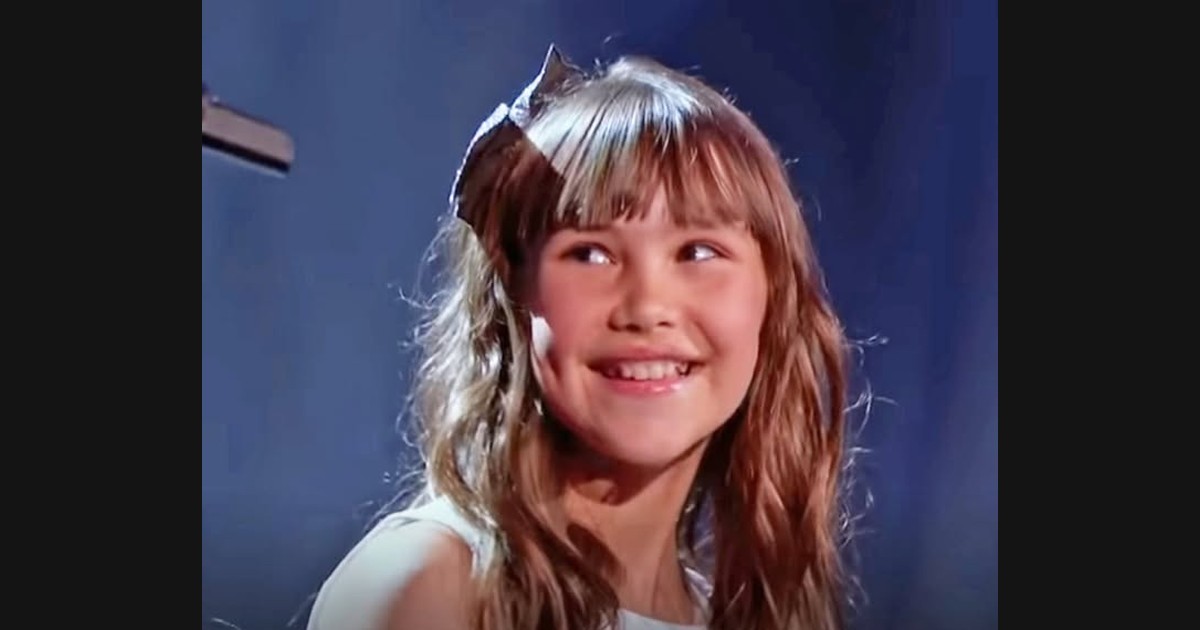
A guest performance with an established vocal group poses a practical question: how can another singer join a recognizable ensemble without simply becoming one more layer? Kaylee’s Hallelujah appearance with Pentatonix on Little Big Shots offers a setting for considering that balance.
The programme’s own upload identifies Kaylee, Pentatonix and host Steve Harvey. The partnership is the useful focus, rather than the video’s amazed-reaction headline. A featured voice needs musical space, and an ensemble has to remain a coherent partner within that space.
Watch on YouTube ↗
Belonging does not mean doing the same work
A vocal arrangement can assign different responsibilities: carrying the principal line, supporting its harmony, establishing a bass foundation or maintaining rhythmic movement. Joining the same song does not require every singer to duplicate the lead melody at every moment.
That distinction makes a guest collaboration possible. An arrangement can preserve the guest’s identity while giving the surrounding voices meaningful work. The group is neither a decorative background nor a competing soloist; it supplies relationships that change how the featured line is heard.
For a focused pass through the recording, follow the support rather than only the most prominent melody. Consider where the musical ground remains stable and where its weight changes. The listener can hear cooperation without needing to rank the individual voices.
A recurring title is not the whole song
Hallelujah is recognizable partly through its recurring title phrase. Repetition gives listeners a point of orientation, but the material around each return shapes its meaning. The same word can arrive with a different weight after a different preceding thought.
This is why a full performance offers more than a short vocal highlight. A held note can be impressive on its own, while its dramatic function depends on the route into it and the music that follows.
It is also useful to separate a song’s identity from a particular arrangement or selection of verses. A familiar title alone does not establish that two performances use identical text or structure. Compare what the recordings actually present before assuming every detail is interchangeable.
Watch on YouTube ↗
The ITV appearance has another frame
The companion ITV clip presents a Hallelujah performance under the spelling Kayleigh in its title. Its broadcast frame is different from the Steve Harvey and Pentatonix collaboration. The recordings should retain their own identities rather than being merged into a single television event.
That comparison changes the listening task. The central question becomes how the singer is supported in each setting: what provides the harmonic foundation, how the featured line is framed, and how the arrangement gives a recurring phrase its place.
Watch on YouTube ↗
The final upload identifies Kaylee Rogers with Emile Gooding in the ITV setting. It offers another route into that related material, not evidence of an additional Pentatonix appearance.
The most useful thread across the clips is musical accommodation. An effective collaboration allows someone to be heard clearly while making the surrounding parts necessary. The performance’s appeal rests in that shared work, alongside the pleasure of recognizing a familiar song.


