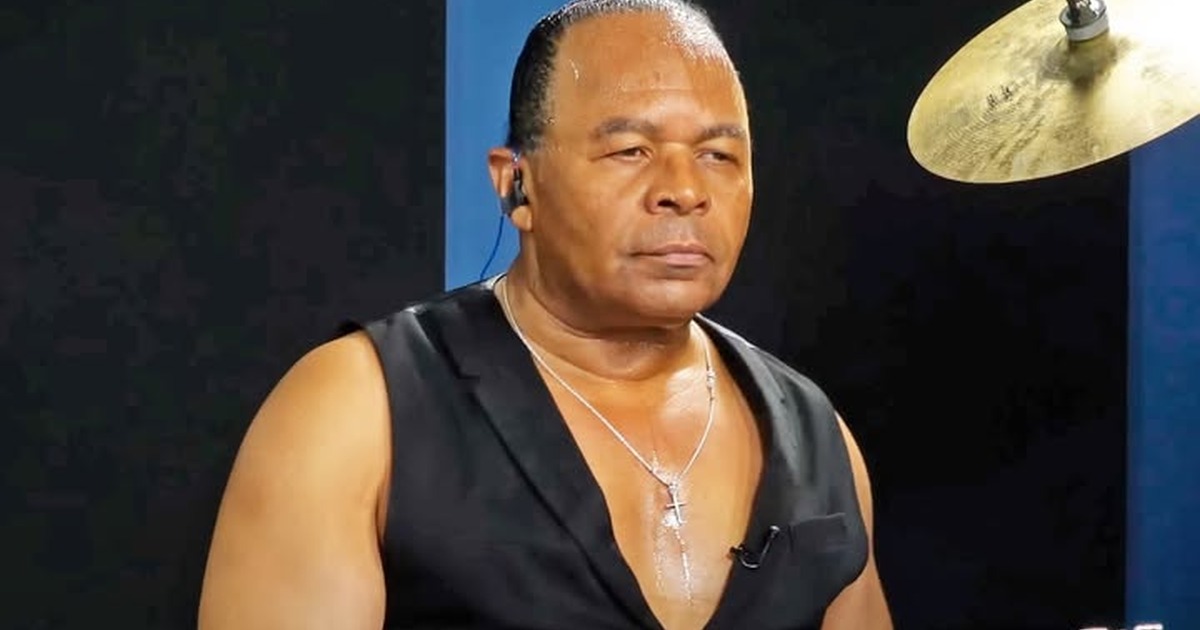
A drum-focused presentation changes where a familiar song directs attention. Drumeo’s Smooth Criminal recording names Jonathan “Sugarfoot” Moffett as the performer and the drum part as the subject. The song supplies a reference while a role often described as accompaniment becomes the main reason for viewing.
Drumeo identifies the recording as a studio performance and documents Moffett’s extensive touring connection with Michael Jackson. That context establishes relevant experience. It does not automatically identify him as the drummer on every original studio master associated with Jackson, a different kind of credit.
Moffett performs ‘Smooth Criminal’
Watch on YouTube ↗
Foreground attention does not require a solo
There are two different ways a drummer can become the focus. A solo creates a space in which the instrument supplies the principal musical statement. A drum-centered view of a song can instead make an ongoing supporting responsibility easier to follow.
The distinction matters because the second task remains connected to the composition’s sequence. A pattern may preserve continuity while other material changes around it. A transition may prepare the next section rather than interrupt the song for a separate display.
Visible activity is therefore an incomplete measure of importance. Repetition can carry a substantial responsibility: it supplies something against which change becomes recognizable. A listener can follow the work of keeping that reference available without requiring every measure to introduce a new idea.
A practical distinction: pulse, pattern and boundary
Pulse is the recurring sense of time. A pattern organizes events around it. A boundary marks a change in the larger piece. These concepts are related, but describing all three simply as “the beat” loses useful detail.
For a closer viewing, choose one section and decide which of those jobs holds your attention. Then keep the same reference through a transition. The question is how continuity survives a change of material, not whether the drummer can perform the maximum number of actions.
This method does not assume a specific fill, exact tempo measurement or physical technique from a title. It gives a listener a vocabulary for describing what can actually be followed. An observation such as “this event prepares the next section” is more informative than a general compliment about speed.
The same performer with another song
Drumeo’s second selection presents Moffett performing Black or White. Keeping the player and presenting organization constant changes the repertoire while preserving a clear point of comparison.
Watch on YouTube ↗
A strong musical identity need not mean using the same solution everywhere. Different compositions establish different references. Ask what function remains comparable, such as maintaining continuity, while allowing the actual part to serve the particular song.
Change performer and repertoire together
The last selection is Sina’s Sultans of Swing drum cover. Her own description identifies a drumless studio backing track and a stylistic tribute to Terry Williams. That gives the cover a published production context rather than leaving it to be guessed from the image.
Watch on YouTube ↗
The set connects two drummers without equating their histories. Moffett’s documented touring experience and Sina’s stated cover approach are different contexts. What they share here is a format that makes a drum responsibility available for concentrated attention while the surrounding song continues to matter.