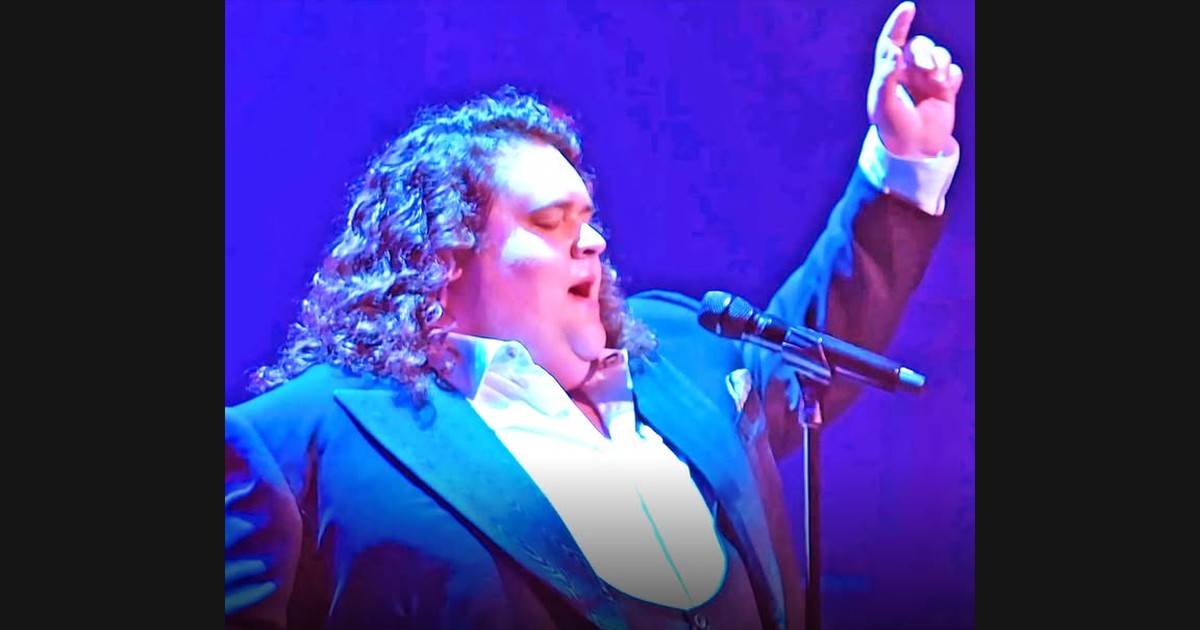
Jonathan Antoine’s “Unchained Melody” is a concert interpretation of a song with a film origin. The singer’s tenor identity does not automatically turn the selection into an opera aria. Naming the repertoire precisely gives the performance a clearer context than assigning every piece the same genre as its performer’s broader public profile.
The Songwriters Hall of Fame credits music by Alex North and words by Hy Zaret and identifies the song’s origin in the 1955 film Unchained. Antoine’s own website links the featured recording and identifies it as filmed live at his Thousand Oaks, California, concert.
A concert can place different repertoire together
A recital or filmed concert can contain film songs, theatre selections, and opera material without making those categories identical. Their common thread may be the featured singer and the overall program rather than a shared original dramatic form.
Watch on YouTube ↗
This distinction is useful for “Unchained Melody.” Its identity as a familiar ballad and its screen history remain relevant when it is presented through another vocal style. The interpretation can change the performing scale while the composition retains its own origin.
Vocal style and genre are separate descriptions
| Description | What it identifies |
|---|---|
| Tenor | A voice classification or performing identity. |
| Film song | A work’s relationship to screen repertoire. |
| Opera aria | A particular kind of selection within an operatic work. |
| Concert performance | The occasion in which the material is presented here. |
One description cannot substitute automatically for the others. A tenor can sing a film song in concert, and the result can be substantial without needing to be renamed an aria.
Follow the phrase at the song’s own scale
A ballad’s larger shape depends on how complete phrases connect. Attend to the direction of a line and where it settles before the next idea begins. A conspicuous held note receives its meaning from that surrounding progression.
Then shift attention to the accompaniment. Its support can maintain harmonic direction while leaving the featured line room to develop. This relationship provides a useful basis for description without making claims about the singer’s private feelings or physical technique.
The catalog audio is another presentation
The second item is an Antoine Topic-channel “Unchained Melody” recording. It supplies a catalog listening companion, but the short title does not establish that it uses the exact same take as the concert video.
Watch on YouTube ↗
Keep the composition and performer steady while comparing the documents. A release label may identify a recording differently from a filmed appearance, and that difference should remain attached to the item rather than being guessed away.
“Parla più piano” extends the film connection
The final official Antoine upload identifies “Parla più piano” with The Godfather theme. It changes the composition while retaining a screen-music connection and the same featured performer.
Watch on YouTube ↗
That gives the set a coherent listening route: one film-origin ballad in concert, a catalog presentation of the same title, and another film-associated selection. It is not a sequence of three versions of “Unchained Melody.”
The comparison works best when repertoire and performance style remain distinct. Antoine can carry different songs through his own concert identity, while each composition keeps the dramatic and recording history that makes it a particular work.


