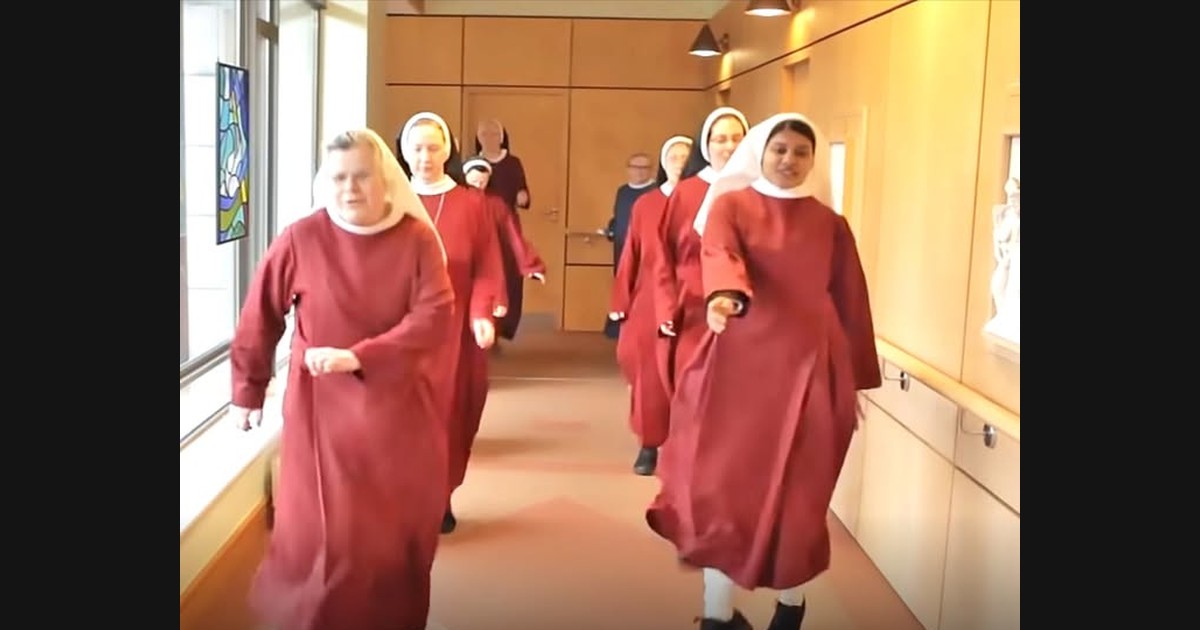
A widely shared dance can become a form of community communication. In the Redemptorist and SOLI Jerusalema recordings, a common musical reference gives different groups a way to present themselves together while keeping their own settings and purposes.
Redemptorist Communications describes the opening compilation as connecting Brazil, Dublin and Cork, with Redemptoristines and Redemptorists participating. Its accompanying message includes prayer for the world during challenging times. The dance sits inside that stated message, rather than defining a new religious tradition.
Watch on YouTube ↗
A shared format leaves room for local identity
A repeatable dance provides something people elsewhere can recognize. The basic idea travels, while location, participants and presentation distinguish each version. Common material and local identity do not have to compete.
This is useful for reading a compilation. The connection between places is created through a shared format and the finished recording. It should not be mistaken for proof that all the participants were together or moving at precisely the same moment.
The audience also has more than one way to engage. Someone may recognize the song, another may recognize a community, and another may follow the movement pattern. A single video can provide those different points of access.
The message belongs to the group making the recording
The Redemptorist description supplies a specific interpretation of participation: prayerful connection during a difficult period. That is the publisher’s stated purpose. It does not establish how every participant felt or prove a lasting social outcome.
The distinction lets the activity remain concrete. A group makes and shares something recognizable, offers a message around it and invites others to receive it. The value need not be inflated into a universal account of what dancing does for a community.
Watch on YouTube ↗
SOLI gives the format another occasion
The Sisters of Our Lady Immaculate identify their version with Eastertide in 2021 and describe sharing joy and hope in Christ despite the pandemic. They credit Master KG’s Jerusalema featuring Nomcebo as the music.
That description gives the second recording a distinct occasion. The shared dance does not make it another segment from the Redemptorist compilation. It is another community using recognizable material within its own message.
Comparing the descriptions is as useful as comparing the movement. A musical challenge can serve different communications while retaining enough common structure for viewers to understand the connection.
Watch on YouTube ↗
The recording also belongs to communication beyond the room. An accompanying message can explain why a community chose the activity, while the dance gives viewers a recognizable point of entry before they read that explanation.
A related community appears in another presentation
The final Redemptorist upload identifies Irish Redemptorists and friends taking up the challenge. The inclusion of friends in the publisher’s own wording widens the account of who is participating without requiring assumptions about every individual’s role.
Across these recordings, the recurring format becomes a meeting point between a shared song and particular communities. The dance is recognizable, but the people, places and stated occasions give each version its identity. Keeping those details attached makes the connection richer than treating every clip as an interchangeable installment of a trend.


