Miley Cyrus’s “Heart of Glass” cover can sound like a meeting between two clearly fixed musical identities. Blondie’s own account complicates that picture. Before the familiar record, the band had already explored the song in different treatments. Arrangement was part of its development from the beginning.
In the official release notes for a later “Heart of Glass” collection, co-writer Chris Stein describes earlier ballad and reggae approaches. The same release presents several versions from the song’s history. That background makes the Cyrus performance part of an ongoing interpretive life rather than the first occasion on which the song’s setting became flexible.
A composition can survive a change of treatment
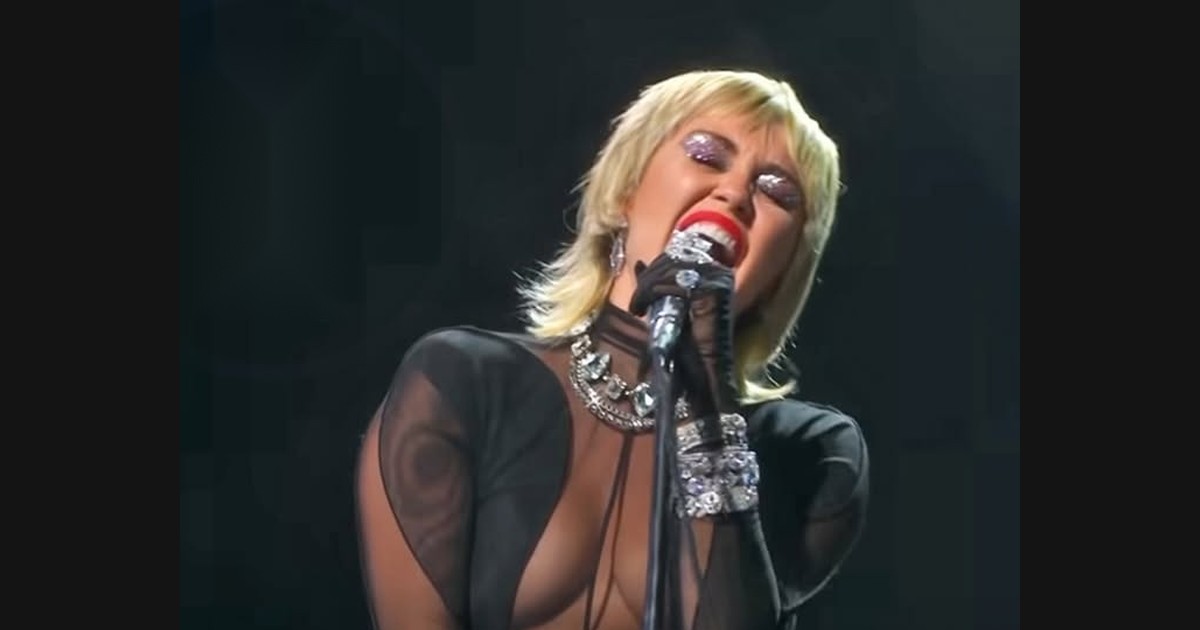
The principal official Cyrus video identifies the iHeart Festival performance. Its relevance is not dependent on declaring that one genre has replaced another. A cover can preserve recognizable musical material while directing attention toward a different voice and ensemble.
Watch on YouTube ↗
Separate the melody from the familiar recorded texture around it. The tune gives a listener landmarks, while the accompaniment supplies a particular kind of motion and emphasis. Changing the latter can alter the experience without making the former disappear.
This is why a song’s best-known recording should not be confused with every possible form of the song. Stein’s account of Blondie trying other approaches offers a concrete example inside the originating band’s own history.
Use the earlier versions as context, not a ranking
| Layer | What can change |
|---|---|
| Composition | The recognizable material provides continuity across interpretations. |
| Arrangement | Instruments, rhythmic emphasis, and the distribution of musical roles. |
| Performance | A singer and ensemble’s realization of that treatment. |
| Presentation | The filmed or audio form through which it is encountered. |
These layers are related without becoming identical. A visual impression of an artist can affect the language a viewer chooses, but it does not by itself identify a different chord, phrase, or instrumental role.
The audio presentation gives another route in
The second official upload presents the iHeart Festival “Heart of Glass” as audio. It keeps the named performance context while removing the need to follow stage images. That makes it useful for concentrating on the song’s musical organization.
Watch on YouTube ↗
Try listening through one complete section before returning to the video. Retain the part that seems to carry the principal line, then locate the accompaniment that gives it continuity. When the picture returns, notice whether your attention shifts toward something visually conspicuous rather than musically central.
“Midnight Sky” changes the repertoire
The final clip is Cyrus’s “Midnight Sky” in BBC Radio 1’s Live Lounge. It is a different song and occasion, not another iHeart performance of the Blondie cover.
Watch on YouTube ↗
Its value is as a comparison with material associated with Cyrus’s own catalog. Keep the performing identity steady while changing the composition, and describe the relationship between the voice and its support in each.
The history of “Heart of Glass” supports a flexible comparison. Blondie’s earlier experiments, its familiar recording, and Cyrus’s later cover are different points in a song’s performance life. Hearing that history makes arrangement choices more interesting than a simple demand that every version retain one permanent sound.


