A seasonal song carries two kinds of time: the moment described within it and the recurring point in the calendar when listeners expect to hear it. George Michael’s Wembley Last Christmas adds a third, the date of a particular concert recording. Keeping those layers separate makes the performance easier to place without inventing memories for everyone in the room.
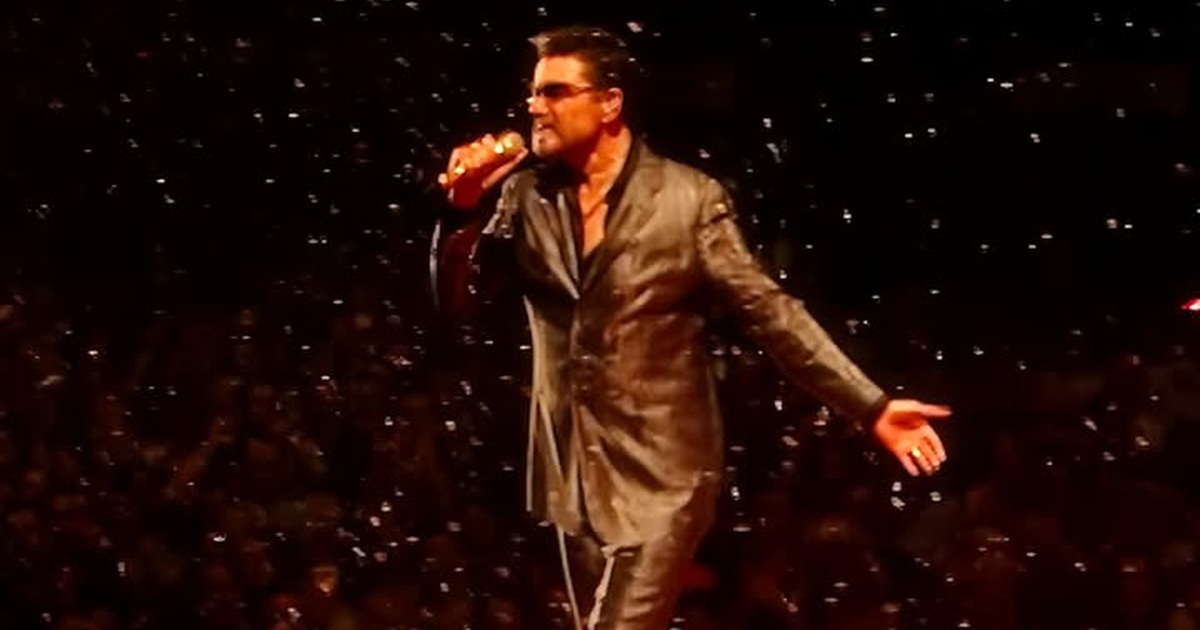
The official Wham! upload identifies Wembley Arena in December 2006. That identification is corroborated by the live track listing in George Michael’s official catalogue store. It is an arena recording, not a claim about the similarly named Wembley Stadium, and the documentation does not require assigning it an exact day.
The Wembley Arena recording
Watch on YouTube ↗
Listen outside the seasonal shorthand
A familiar title can make the whole song seem to arrive at once. A listener may begin with holiday imagery or a remembered occasion before attending to a single phrase. Try separating those associations from the relationship narrative the performance carries.
First, identify what the title makes you expect. Then choose one passage and describe how its musical movement affects that expectation. Does the return of familiar material make the song feel settled, or does the surrounding passage change how you understand the return? The answer comes from the performance you hear, rather than a general claim that the season makes every listener sentimental.
This also provides a reason to hear the clip at another time of year. Removing the usual calendar cue can shift attention toward phrasing, the recurring melody or the relationship between the voice and its accompaniment. The recording has not changed; the context you bring to it has.
Keep the character within the song
Relationship songs give singers dramatic situations to inhabit. They do not automatically provide documentary accounts of their private lives. A concert from a later stage of a career can add historical distance without authorizing a story about what the singer was personally reliving.
Choose an emotional description only after identifying the musical relationship that supports it. If a phrase feels reflective to you, what made it seem so? It might be its pacing, its placement after another idea or the space around an ending. Naming that relationship makes the response more precise and leaves other listeners room to hear something different.
One related song, two concert identities
The next official George Michael selection is labeled Careless Whisper from Earls Court in 2008, within the 25 Live Tour. It changes the song as well as the documented concert. Compare the narrative position of the speaker with the one you understood in Last Christmas, while keeping each composition’s own structure in view.
For the musical comparison, follow a returning melody rather than choosing only a conspicuous vocal moment. What gives that return its place in the whole song? A similar listening task can produce different answers across the two compositions.
Watch on YouTube ↗
Then hold the song constant
The third official upload identifies Careless Whisper at Rock in Rio in 1991. This time the composition remains the same while the concert frame changes. Select a corresponding phrase in the two versions and compare its relationship to the material before and after it.
A difference need not become a claim about decline, improvement or a singer’s personal state. Two dated performances provide two interpretations to describe. You can recognize continuity and change without making the years between them carry an unsupported story.
Watch on YouTube ↗
The sequence moves from a seasonal song to a different composition, then holds that second composition steady across two concert settings. Returning to Wembley, its December date remains a useful fact rather than an explanation of every feeling the music might produce. The song’s narrative, the calendar and the performance each contribute a distinct frame.