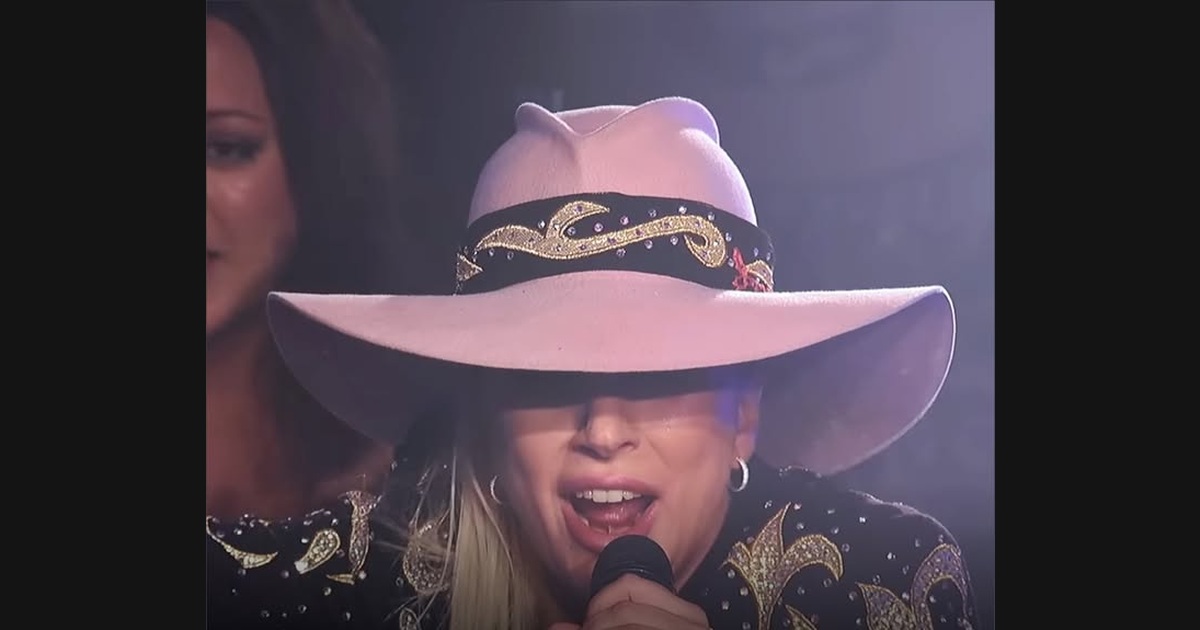
A mashup can create a relationship between recordings whose singers did not make a joint stage appearance. AnDyWuMUSICLAND’s Million Reasons/Someone Like You places Lady Gaga and Adele within that kind of edited musical encounter.
The creator’s publication identifies an earlier version and a February 2017 reupload. That history belongs to a constructed video, not evidence of an undocumented Gaga–Adele concert duet. The musical interest comes from how existing material is put into another relationship.
The edited pairing
Watch on YouTube ↗
A shared space can hold different situations
The two ballads occupy related emotional territory without making identical statements. A plea to remain in a relationship differs from acknowledging that someone else has moved on. The connection lies partly in the difference between what each address attempts.
A mashup allows those positions to be considered close together. One song can seem to offer a response to another even when their original narratives were not written as a single conversation.
That is an interpretive result of the new arrangement. It does not change the original songs into literal messages exchanged between the two recording artists. Distinguishing a created relationship from a real personal exchange preserves what the editor has actually made.
Editing supplies another kind of authorship
A performer undertakes a line in time. An editor working with existing recordings chooses relationships among material already captured. The jobs can share musical concerns while remaining different forms of production.
Continuity matters in both. The listener needs enough connection for the combined item to remain understandable, even while recognizing distinct sources. Contrast supplies another point of attention rather than automatically breaking the piece apart.
The creator’s credit is therefore more than a label below celebrity names. It identifies responsibility for the new combination. A singer’s appearance within an edited work does not by itself establish participation in planning or endorsing that combination.
Keep the sources available for comparison
The first reference is Gaga’s official Million Reasons video. Heard as a complete item, the song has its own sequence and dramatic development rather than only the portions useful within the mashup.
Watch on YouTube ↗
This is a productive way to compare an edit with its source. Notice what the combined work draws attention toward, then return to the whole piece. The original supplies context that an excerpt cannot contain by itself.
Adele’s separate statement
The final selection is Adele’s official Someone Like You video. It restores the other composition’s independent identity and its own route through an address.
Watch on YouTube ↗
The comparison should not assume exact tempo changes, pitch processing or technical editing methods from the mashup title alone. Those details would require the creator’s explanation or direct evidence.
The broad production distinction is already clear enough to be useful. Two existing recordings become material for a third presented work. Gaga and Adele remain separate source performers, while the editor creates a new relationship among their songs. The result can feel conversational without being misidentified as a conversation that occurred on a shared stage.


