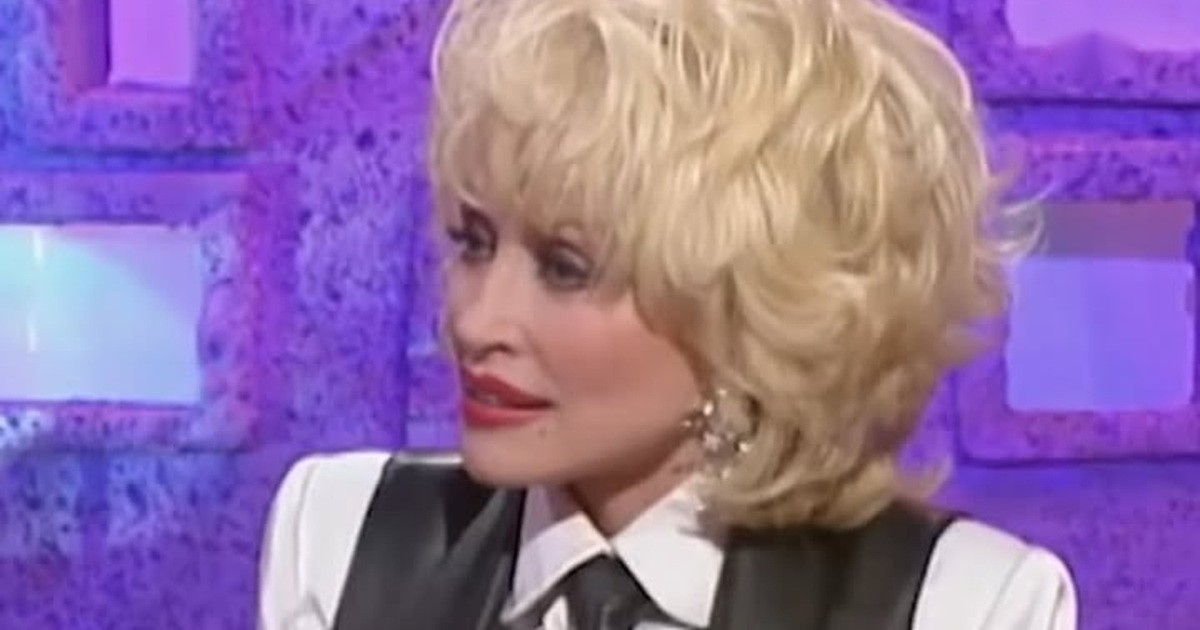
The sound of Dolly Parton’s fingernails is a small detail with a substantial place in her account of writing “9 to 5.” In interviews, she has described using their percussive sound while working on the song. It offers a concrete subject inside a broader compilation of her appearances on The Graham Norton Show: how an everyday resource can become part of a musical idea.
A retrospective compilation brings several moments together. Its later title need not establish one new interview date or a particular commemorative occasion. The individual anecdotes remain accounts given within their original conversations.
Watch on YouTube ↗
From an available sound to a working rhythm
In her 2023 Howard Stern interview, Parton described writing on the film set without a guitar immediately available. Tapping her acrylic nails helped her work on “9 to 5”; she later returned to a guitar to develop and record ideas. Her account also connects the tapping with the impression of a typewriter and its inclusion in the song’s production.
The sequence is useful because it separates a starting resource from a finished arrangement. A songwriter does not have to possess every sound of the eventual recording at the moment an idea begins. A pulse, a short melodic shape, or a verbal premise can provide enough material to continue working.
The resource and the song’s subject can also reinforce one another. A typewriter-like sound belongs naturally beside the office world invoked by “9 to 5.” That connection is more specific than a general claim that creativity comes from anywhere: a particular sound becomes useful because it relates to this particular piece.
The demonstration is part of the telling
The second selection focuses on Parton’s account of the nail credit. In a talk-show conversation, demonstrating a sound can explain something that a verbal description alone would leave abstract.
Watch on YouTube ↗
Notice the difference between hearing that a tapping sound exists and hearing how it can organize a rhythm. The interview turns a production anecdote into a present activity, giving an audience a small audible reference for a larger recorded work.
That does not make an interview a complete studio record. It is Parton describing her process, with selected details made memorable for conversation. The value lies in the relationship she explains between the available material and the developing song.
A different song reveals another kind of construction
The final selection is Parton’s official “Jolene” audio. It changes the composition, so the nails anecdote should not be carried over as an explanation of how every Parton song was made.
Watch on YouTube ↗
Instead, use the change to distinguish a songwriter’s individual solutions. One song may be discussed through the rhythm that helped it begin; another may draw attention through a recurring name, a request, or the arrangement of its narrative situation. A catalog need not originate through one repeatable trick.
Parton’s interviews are engaging partly because a specific detail can carry a larger explanation. The fingernail story gives the listener something concrete to hear and remember, while the recordings keep the finished musical works in view. The anecdote opens a route into songwriting without replacing the songs themselves.


