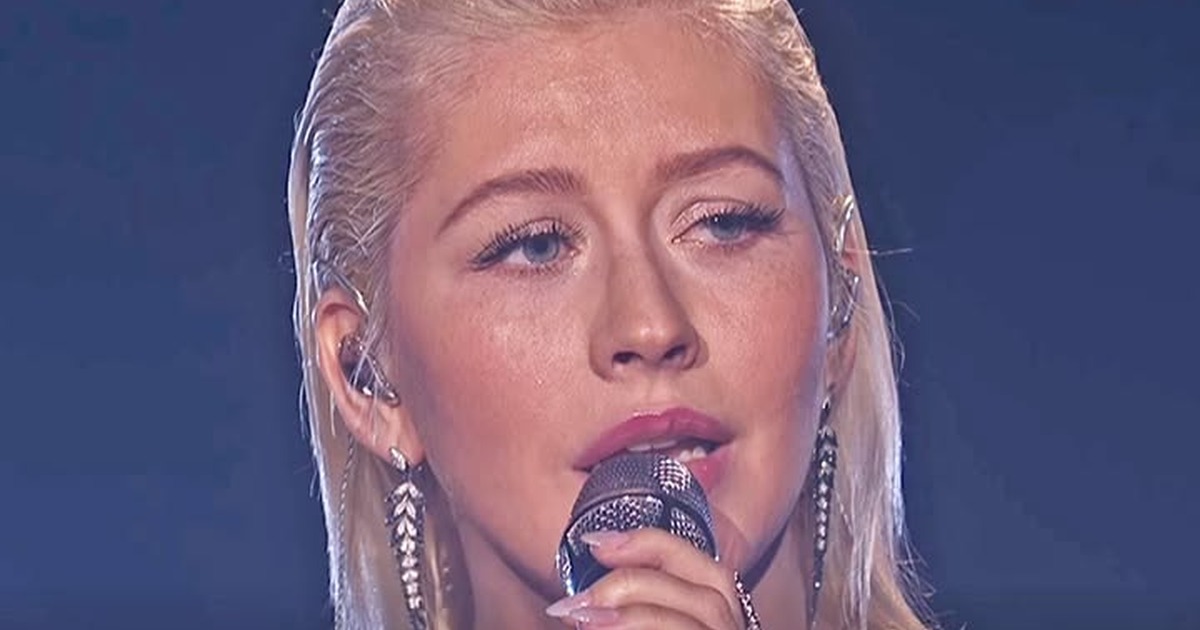
Christina Aguilera’s Whitney Houston tribute at the 2017 American Music Awards had a defined anniversary purpose. The organizers announced it to mark twenty-five years of The Bodyguard, the film released in November 1992. The tribute took place at the November 19 awards show, shortly before that anniversary.
This context matters because a medley is a particular kind of musical argument. It cannot reproduce every song in full or recreate the experience of a complete soundtrack album. It selects, connects, and compresses material so that several compositions can contribute to one uninterrupted performance.
Watch on YouTube ↗
Selection is the first arrangement
Before a note is sung, a medley already reflects decisions about inclusion. Which songs identify the subject most clearly? Which provide contrast? How can the selection avoid sounding like a series of unrelated beginnings? Those questions are part of the form, rather than shortcomings caused by its brevity.
A soundtrack tribute also connects two kinds of memory. Some listeners remember a song independently; others associate it with a scene or a film. The performer has to communicate through the music even for someone who does not recall the screen story. An anniversary supplies the occasion without requiring every viewer to bring the same memories.
The joins deserve attention
A familiar chorus can attract most of the attention, but a medley’s transitions carry substantial responsibility. They establish how one piece gives way to another. A shift can be prepared by accompaniment, a pause, or a change in musical density. The listener’s sense of continuity depends partly on these less celebrated moments.
For one viewing, follow only the joins. Notice when the current selection feels complete and when the next idea begins to take over. This avoids reducing the entire tribute to whether a single note resembles Houston’s recording. It also makes the arranger’s work part of the discussion.
A tribute is not a replacement
Honoring a singer through her repertoire does not require pretending the new performance replaces her recordings. A different voice brings different possibilities. The useful comparison concerns how a performer negotiates familiar material, rather than whether she can become the person being celebrated.
The official Houston clip of “I Will Always Love You” from the Durban Concert for a New South Africa provides a focused contrast. Here one complete song can establish its own proportions rather than sharing a medley’s allotted space.
Watch on YouTube ↗
Give the full-song performance time to unfold before comparing it with the tribute’s selection. An introduction, a quieter section, and a later return can have different weight when they belong to a complete arc. A shorter excerpt has to convey recognition and movement more quickly.
Hear Aguilera outside the tribute role
The final selection is Aguilera’s “Hurt” from a separate television appearance. It changes the repertoire while retaining the singer, providing a way to distinguish her general interpretive identity from the special task of presenting a Houston tribute.
Watch on YouTube ↗
The three recordings therefore serve different purposes: a soundtrack medley, Houston interpreting one associated song, and Aguilera performing other material. Keeping those purposes visible makes the comparison fairer. The tribute can be assessed as a shaped anniversary performance, with its own choices about selection and continuity, rather than as a compressed audition to impersonate another artist.


