A competition cover begins with a song that already has a history. “Born to Be Wild” belongs to Mars Bonfire’s writing and Steppenwolf’s repertoire before it becomes material for Adam Lambert’s television interpretation. Keeping that source visible makes the cover more interesting than treating it as an isolated demonstration of a contestant’s voice.
The original linked recording is unavailable. The retained “Born to Be Wild” companion and the separate “Whole Lotta Love” selection below provide the available performance references. Neither requires an invented description of the removed footage.
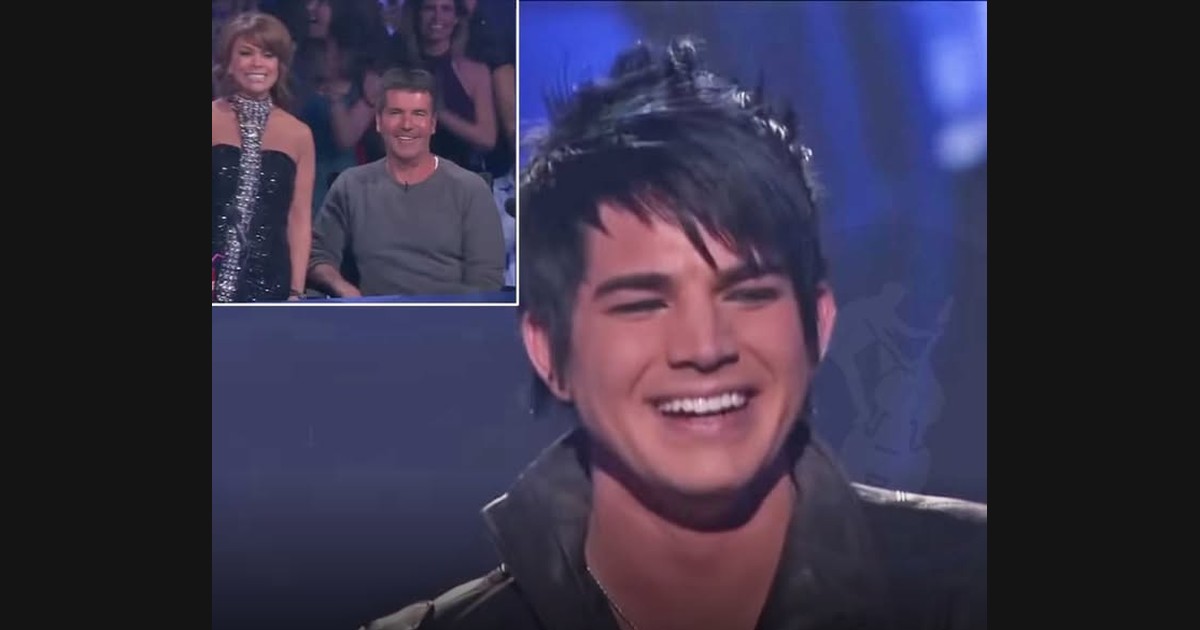 Embedded playback unavailable
This recording could not be loaded from its publisher. Its original video link is preserved below.
Original YouTube video page ↗The songwriter and the associated band are different credits
SOCAN identifies Bonfire as the creator of “Born to Be Wild” and discusses the song’s continuing life through covers and other media. A band can make a recording widely recognizable while the writing remains attributable to another person.
Lambert then contributes another interpretation. That gives the creative chain at least three distinguishable roles: writer, source recording, and later performer. Calling every layer “the original” can obscure more than it explains.
A useful listening question is what identifies the composition before an exact vocal imitation enters the discussion. It may be a recurring musical idea, a melodic contour, or the relationship between the singing and accompaniment. Recognizability does not depend on reproducing every source sound.
A cover enters a television format
Lambert’s American Idol participation adds a particular public frame. A song presented in a competition is heard alongside expectations about a performer and a program. Those expectations can influence attention without becoming part of the composition itself.
Separate the song’s dramatic stance from an assertion about the contestant’s personality. Performing material associated with freedom or defiance does not establish a literal account of how the singer lives. Interpretation can inhabit a position without turning it into biography.
A televised cover’s date does not tell us when its underlying piece was composed. The chronology of a performer’s career and the chronology of repertoire must be tracked separately.
Watch on YouTube ↗
The available Born to Be Wild reference
The companion upload identifies Lambert’s performance of the song. Follow one complete phrase and how it relates to the recurring framework. What remains stable, and what does the lead delivery make more prominent?
Leave exact preparation and recording circumstances open where the source does not establish them. A fan upload can preserve useful musical material without documenting every rehearsal, edit, or program decision.
Another rock song does not have the same source
Watch on YouTube ↗
The “Whole Lotta Love” recording changes the composition and its source-band association. It should not be folded into the Steppenwolf song’s history simply because Lambert performs both.
Compare the kind of musical framework each piece supplies for a lead voice. Does recognition arrive through an instrumental reference, the vocal melody, or another relationship? The question can reveal adaptability without declaring that all rock repertoire asks for the same delivery.
For a final note, identify one contribution from the writing and one from the cover. That distinction gives the available recordings a clear purpose: hearing how an established song travels through another performer and a television format while retaining a history that predates both.


