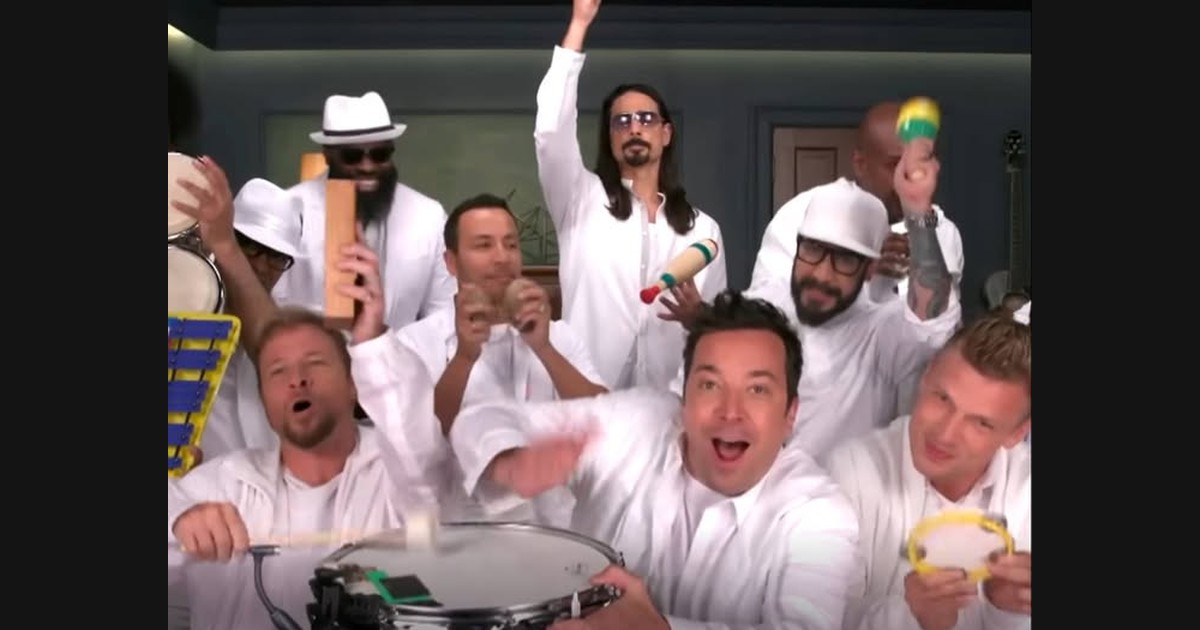
An arrangement can change its instrumental colors while leaving a song immediately recognizable. Backstreet Boys, Jimmy Fallon, and the Roots’ classroom-instrument “I Want It That Way” offers a useful example of that distinction. The format makes the choice of musical resources part of the entertainment, but the underlying task is still to present a coherent song.
The Backstreet Boys’ official catalog places “I Want It That Way” on Millennium, released in 1999. The television selection is another presentation of that established composition, rather than a replacement for the recording through which many listeners first knew it.
Watch on YouTube ↗
Color and function are different subjects
Timbre is the quality that lets one kind of sound be distinguished from another. Musical function concerns what a sound is doing: carrying the tune, supplying a low foundation, marking a pulse, or adding harmonic direction.
A change in instrument can alter the color without eliminating the function. A recurring rhythmic part remains a reference for the performers even if its sound is less familiar than the one associated with a released record.
For this presentation, choose one supporting function and follow it through a complete phrase. Concentrate on how it relates to the singing, rather than trying to identify every object at once. A visually conspicuous instrument is not automatically the main source of musical continuity.
Constraints make choices audible
A limited palette asks arrangers to decide which information matters most. Not every sound from a familiar recording needs an exact substitute. A musical idea may be simplified, suggested through another resource, or allowed to remain with the singers.
That reduction can make the structure easier to hear. It can also make a familiar phrase arrive with a different character. Neither outcome requires treating the instruments as proof that the musicians have temporarily stopped using their skill.
The format’s playfulness belongs alongside the coordination it requires. Entrances, transitions, and a shared ending still have to make sense even when the presentation invites attention to unusual sounds.
The official video restores another reference
The Backstreet Boys’ official “I Want It That Way” video changes the frame. It supplies a presentation centered on the released recording rather than the television format’s instrumental premise.
Watch on YouTube ↗
Compare what makes the song recognizable before considering which version you prefer. The principal melody, returning phrases, and relationships between vocal contributions can supply continuity while the surrounding colors change.
The comparison is not a test of whether a later arrangement reproduces every detail. It asks which relationships are preserved and which are redirected toward a new kind of performance.
Another song tests the same format
Ed Sheeran’s “Shape of You” with Fallon and the Roots supplies the third selection. The television format remains recognizable while the composition and featured artist change.
Watch on YouTube ↗
Carry the function-first approach into this performance. A recurring part may become particularly important because of the new song’s design, rather than because every classroom-instrument appearance follows one musical recipe.
The three selections create two useful comparisons: one song in different presentations, then different songs within a related format. Backstreet Boys’ appearance is most rewarding when the playful instrumental colors lead back to the practical arranging work that keeps the music intelligible.


