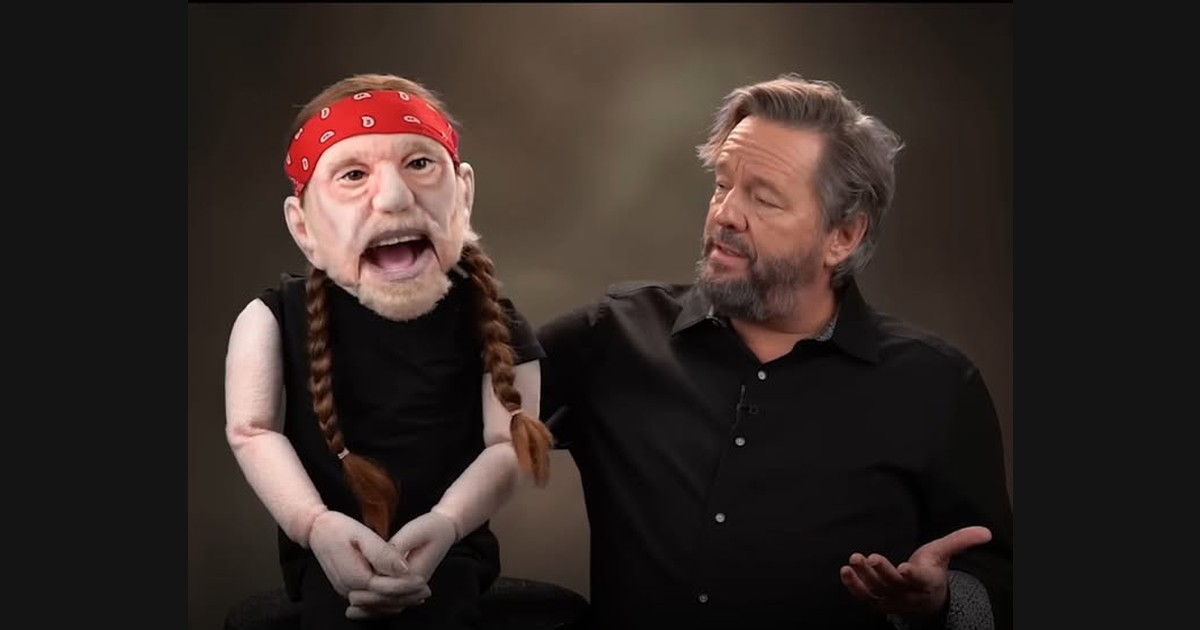
A comic performance can contain a song whose argument remains serious. Terry Fator’s Willie Nelson character adds a theatrical frame to “Always on My Mind,” but the composition still turns on a particular distinction: remembering someone is not the same as demonstrating care through words and actions.
The song is credited to Wayne Carson, Johnny Christopher, and Mark James. Willie Nelson’s association with it belongs to interpretation and recording, while Fator presents another interpretation through a recognizable character. Keeping those roles separate lets the writing receive attention beneath the comic premise.
Watch on YouTube ↗
The narrator identifies an imbalance
The song looks backward toward things not done or not adequately expressed. Its central assertion does not remove those omissions; it sits beside them. That tension gives the writing more substance than a simple statement that affection existed all along.
Listen for the relationship between acknowledgment and return. Does a passage introduce a missed action, offer an explanation, or renew the central assertion? Those functions can occupy the same song without becoming identical kinds of statement.
A useful outline has three headings: thought, action, and address. Thought concerns what the speaker says remained inwardly present. Action concerns what was or was not shown. Address concerns the person now being asked to hear the account. The outline describes the composition’s dramatic arrangement, not advice about how a real listener should respond to an apology.
A repeated assertion does not end the question
When the title returns, it can sound reassuring, defensive, regretful, or unresolved depending on its delivery and the material around it. A refrain’s familiarity does not require it to carry exactly the same weight at every point.
Follow one return through the complete phrase. What prepares it, and how does its ending lead onward? The answer connects a musical decision with the writing’s central tension instead of treating the performance only as a recognizable vocal impression.
Watch on YouTube ↗
The theatrical frame and the song can coexist
Fator’s second presentation keeps the Nelson reference explicit. A listener can recognize that character while still following the narrator’s acknowledgment. The humor of who appears to sing does not automatically turn the song’s words into a parody.
This is a useful distinction between tone of presentation and dramatic content. A familiar character can attract attention to a song whose underlying account remains legible. There is no need to assign every feeling in the composition to the actual performer or the artist being portrayed.
Watch on YouTube ↗
Nelson’s recording restores another reference
The official Nelson video removes Fator’s character frame. Compare how the composition’s thought-and-action distinction comes across when the performance is presented directly as a musical interpretation.
Notice the placement of acknowledgment and the weight of the recurring title. Keep observations tied to phrasing, pacing, and the relationship with accompaniment rather than assuming an expressive performance must document a specific private regret.
The strongest comparison can be stated without naming either singer first: the writing admits a gap between inward feeling and outward demonstration. Hearing how a performance handles that gap gives “Always on My Mind” a clearer dramatic shape, whether it arrives through a comic character or through the familiar recording that character references.


